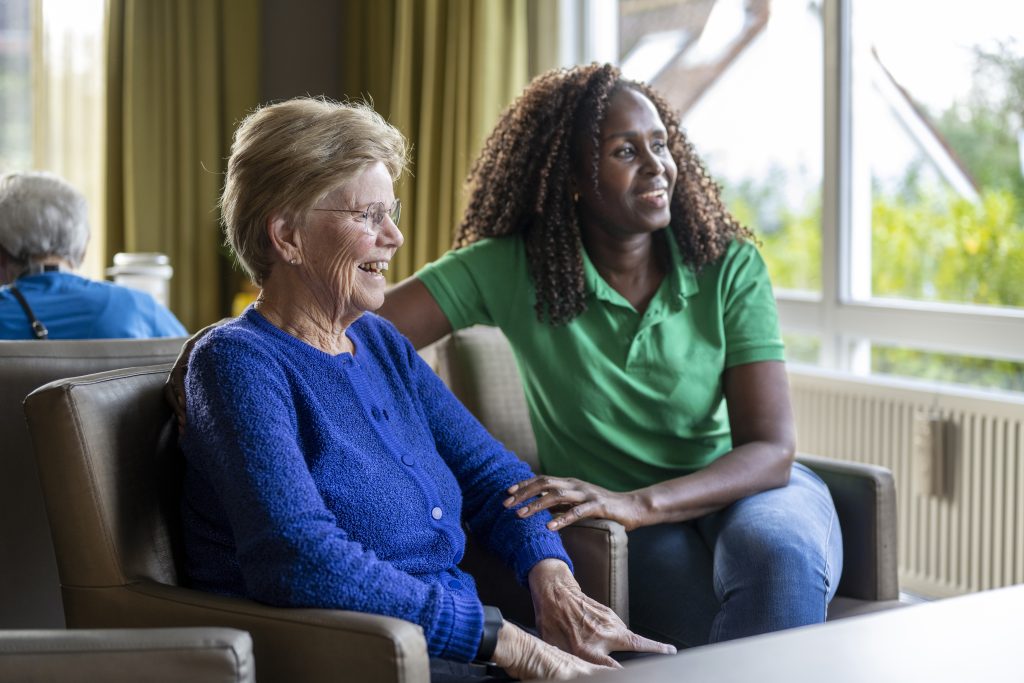

Feeling isolated at home is something many seniors experience, even if they do not always talk about it openly. As routines change and social circles become smaller, days can start to feel quieter and less engaging. Over time, this isolation can affect not only emotional well-being but also physical health and motivation. Families may notice subtle changes, such as less interest in activities or fewer conversations, without fully understanding the cause.
It is important to recognize that isolation is not just about being alone, but about feeling disconnected. Seniors may still have family and support, but limited daily interaction can still create a sense of loneliness. The good news is that there are ways to address this in a meaningful and respectful way. Companion care is one of the most effective ways to help seniors feel more connected while continuing to live comfortably at home.
Understanding Isolation in Aging Care Services
Isolation is a common concern addressed within aging care services, especially for seniors who live alone or have limited mobility. Changes in health, loss of loved ones, or reduced ability to travel can all contribute to fewer social interactions. These changes may happen gradually, making them easy to overlook at first. However, the emotional impact can build over time and affect daily life.
From experience, isolation often shows up in subtle ways, such as withdrawal from conversations or a lack of interest in hobbies. Seniors may not always express how they feel, which is why observation becomes important. Addressing isolation early helps prevent deeper emotional challenges. It also supports a more positive and engaging daily routine.
What Companion Care at Home Really Looks Like
Companion care is not just about having someone present in the home, but about creating meaningful interaction. With companion care at home, caregivers spend time engaging in conversation, sharing activities, and building a genuine connection. This type of care focuses on emotional support as much as practical assistance. It helps bring structure and warmth back into daily routines.
Seniors often respond positively when care feels natural rather than forced. Simple activities like talking, playing games, or going for short walks can make a big difference. These moments create a sense of companionship that reduces feelings of loneliness. Over time, this connection becomes something seniors look forward to each day.
Emotional Benefits of Companion Care Senior Services
Loneliness can have a significant impact on mental and emotional health, especially when it goes unaddressed. Seniors who feel isolated may experience sadness, anxiety, or a lack of motivation. This is why companion care senior services focus on building relationships that support emotional well-being.
Having a consistent companion provides reassurance and comfort. It allows seniors to express themselves and feel heard without judgment. This emotional connection can improve mood and create a more positive outlook on daily life. It also helps seniors feel valued and understood.
Everyday Activities That Bring Meaningful Connection
Companion care often includes simple but meaningful activities that help seniors stay engaged. These activities are based on personal interests and preferences, which makes them more enjoyable and effective. The goal is to create moments that feel fulfilling rather than routine.
Some examples include:
- Sharing meals and conversations
- Watching favorite shows or listening to music together
- Playing games or doing puzzles
- Taking short walks or spending time outdoors
- Helping with light hobbies or creative activities
These small interactions can have a lasting impact on emotional health. They help break up long periods of silence and bring a sense of purpose to each day.
Supporting Daily Life with Elderly Companion Care Services
Beyond emotional support, companion care can also assist with light daily routines that contribute to overall well-being. Seniors may need reminders, encouragement, or help staying organized throughout the day. These small forms of assistance can make daily life feel more manageable.
With elderly companion care services, caregivers provide gentle support that complements the senior’s routine. This may include reminders for meals, hydration, or simple tasks. The goal is to maintain independence while offering just enough help to reduce stress. This balance helps seniors feel supported without feeling dependent.
The Role of a Home Care Agency in Providing Companionship
A reliable home care agency plays an important role in matching seniors with caregivers who are a good fit for their personality and needs. Compatibility is key when it comes to companionship, as trust and comfort take time to build. Agencies focus on creating these connections thoughtfully.
Caregivers are trained to provide both emotional and practical support in a respectful way. This ensures that seniors feel comfortable and understood. Families also benefit from knowing that care is being provided consistently. A strong caregiver relationship can make a significant difference in reducing isolation.
When to Consider Support from a Senior Home Care Agency
It can be difficult to know when isolation has become a concern that needs attention. Seniors may not always express how they feel, which is why families need to look for patterns. Recognizing these signs early can help introduce support in a positive way.
You may notice:
- Less interest in conversations or social activities
- Increased time spent alone without engagement
- Changes in mood or energy levels
- Missed calls or reduced communication
- A general sense of withdrawal from daily life
A senior home care agency can help assess these changes and provide guidance on the next steps. Early support can prevent isolation from becoming more serious.
Finding the Right Support Through Home Senior Care Services
Choosing the right type of care is an important step in addressing isolation. With home senior care services, families can create a plan that focuses on both emotional and practical needs. This ensures that support is well-rounded and consistent.
Care plans can be adjusted over time as needs change. This flexibility helps maintain comfort and stability in daily routines. It also allows seniors to remain at home while receiving the support they need. The right care can make a noticeable difference in quality of life.
Bringing Connection Back into Daily Life
Isolation does not have to be a permanent part of aging. With the right support, seniors can feel more connected, engaged, and supported in their daily lives. Companion care provides a simple but powerful way to bring meaningful interaction back into the home. It helps seniors feel less alone and more involved in the world around them.
For families exploring home care services in Illinois, companion care can be an important step in improving both emotional and physical well-being. Taking action early allows care to feel natural and positive rather than reactive. If you’re noticing these signs, it may be time to explore professional support. Learn more about our home care services in Illinois or reach out for guidance.