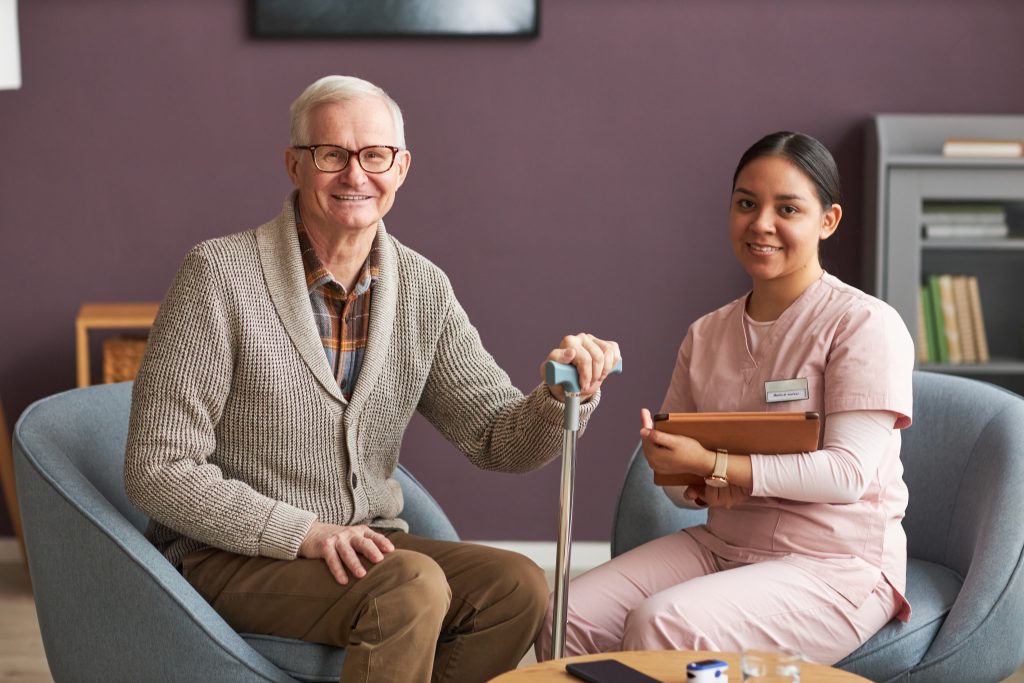
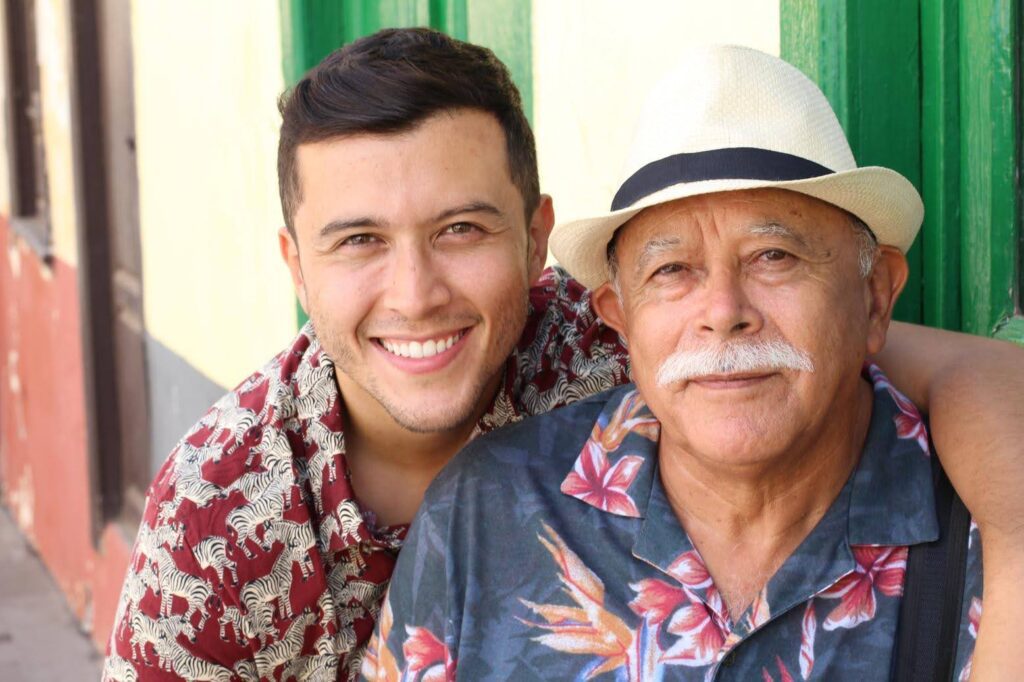
When families begin looking for care for an aging loved one, the focus often starts with safety and daily needs. But for many Filipino and Hispanic seniors, culturally-aware care goes deeper than schedules and checklists. Culture shapes how elders communicate, express discomfort, eat, pray, and accept help. When care ignores these details, seniors may feel misunderstood even when their needs are technically met.
In Chicago’s diverse communities, culturally aligned care can make the difference between simply receiving assistance and truly feeling supported. Seniors who feel respected and understood tend to trust caregivers more, cooperate more willingly, and experience less stress. Families also gain peace of mind knowing their loved one’s values are honored, not overlooked. Finding the right fit takes intention, but it is absolutely possible with the right approach.
Why Cultural Awareness Matters in Senior Care
Cultural awareness is not about stereotypes or assumptions; it is about understanding lived experience. Filipino and Hispanic seniors often come from backgrounds where family roles, respect for elders, and communication styles are deeply ingrained. When caregivers understand these dynamics, care feels natural rather than forced. Seniors are more likely to accept help when it aligns with how they have lived their entire lives.
Language, food preferences, and traditions also affect emotional well-being. A senior who struggles to explain discomfort or misses familiar routines may withdraw quietly. Over time, this can affect mental health, appetite, and trust. This is why culturally sensitive care for Filipino seniors and Hispanic elders is not a luxury. It is essential to quality care.
Signs Your Loved One Needs Culturally-Aware Support
Families often sense when something is off, even if they can’t name it right away. Seniors may become quieter, more resistant to care, or less engaged after services begin. These reactions are sometimes misinterpreted as stubbornness or decline. In reality, they may signal cultural disconnect rather than medical issues.
Pay attention to emotional cues, not just physical safety. Seniors who feel misunderstood may comply outwardly but feel distressed internally. Over time, this emotional strain can affect health outcomes. Recognizing these signs early helps families seek better-aligned senior home care solutions before frustration builds.
Watch for these signs:
- Reluctance to speak openly with caregivers
- Loss of appetite or avoidance of meals
- Withdrawal from conversation or activities
- Increased anxiety during care routines
What to Look for in a Culturally-Aware Home Care Provider
A culturally aware provider does more than match schedules. They invest in caregiver training, communication skills, and cultural humility. Caregivers should understand respectful forms of address, family involvement expectations, and cultural norms around privacy and modesty. These details shape daily interactions in meaningful ways.
A reputable home care agency will ask thoughtful questions during intake. They should want to know about language preferences, family roles, food habits, and spiritual practices. If a provider rushes this process or minimizes its importance, that can be a red flag. Trustworthy care begins with listening.
Questions Families Should Ask Before Choosing Care
Asking the right questions helps families avoid mismatches that lead to stress later. These conversations also reveal how seriously a provider takes cultural alignment. A strong senior home care agency welcomes these discussions and answers clearly without defensiveness. Transparency builds trust from the start.
Use these questions as a guide when speaking with care providers. They are practical and grounded in real family experiences. Honest answers often reveal more than marketing materials.
Helpful questions to ask:
- How do you train caregivers for cultural sensitivity?
- Do you consider language and cultural background when assigning caregivers?
- How do you handle family involvement in care decisions?
- Can care plans reflect cultural routines or preferences?
How Professional Experience Shapes Better Care Outcomes
Experience matters deeply in culturally diverse care environments. Providers who have served multicultural communities understand the nuance that textbooks cannot teach. They recognize that respect, patience, and tone often matter more than speed. These insights come only from years of hands-on care.
Organizations like Ace Home Health Care build care models around real community needs. Their experience allows them to guide families through decisions with clarity rather than pressure. This level of expertise creates consistency and trust, especially for families navigating care for the first time. Authority in care is earned through reliability, not promises.
Practical Ways Families Can Support Cultural Comfort at Home
Even with professional care, families play an important role in maintaining cultural comfort. Sharing routines, favorite meals, and family traditions helps caregivers provide more personalized support. These details make care feel familiar rather than clinical. Small adjustments can have a big emotional impact.
Encourage open communication between caregivers and family members. When everyone understands expectations, seniors feel less tension. This collaboration strengthens senior home care services and improves long-term outcomes. Care works best when it feels like a partnership.
Helpful family actions include:
- Sharing preferred foods or meal traditions
- Explaining respectful forms of address
- Discussing religious or spiritual routines
- Encouraging caregivers to ask questions
Why This Topic Matters to Nurses, Investors, and Entrepreneurs
Healthcare professionals understand that culturally aligned care improves compliance and outcomes. Nurses see firsthand how trust affects recovery and emotional health. Investors and entrepreneurs recognize that community-based, respectful care models meet a growing demand in diverse cities like Chicago. Cultural awareness is no longer optional in sustainable care services.
Providing home care services in Illinois that respect cultural identity strengthens community trust and long-term success. Care models that honor values attract families who prioritize dignity alongside safety. For professionals considering opportunities in senior care, cultural competence is both ethical and strategic.
A Thoughtful Next Step for Chicago Families
If you are searching for care that respects culture as much as safety, take your time and ask thoughtful questions. Seniors deserve care that reflects who they are, not just what they need. The right provider will see your loved one as a whole person, not a task list.
Ace Home Care offers compassionate personal care services in Illinois designed to support daily living while honoring cultural values. From respectful routines to emotionally attentive caregiving, their personal care services for seniors are built with trust and understanding at the center. If your family is seeking culturally aware support in Chicago, reach out to Ace Home Care to start a conversation that puts dignity first.