
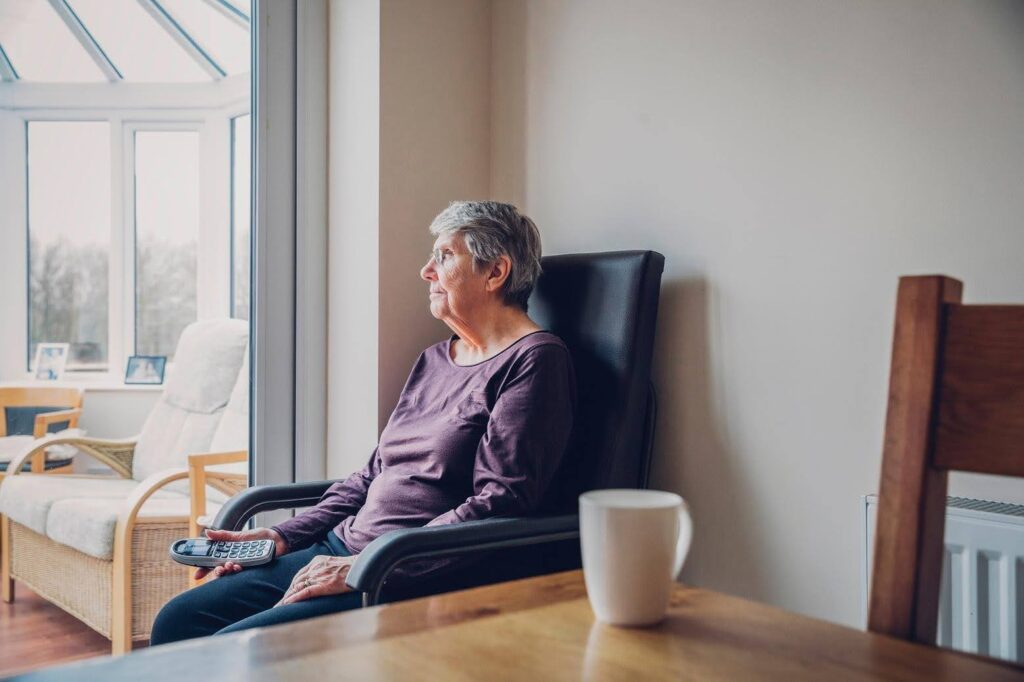
Many seniors value the independence that comes with living alone. Being able to stay in a familiar home, follow personal routines, and make daily decisions can provide a strong sense of comfort and control. However, as the years pass, living alone can become emotionally challenging in ways that are not always obvious at first. What begins as independence can gradually feel more like isolation, especially when social interactions become less frequent.
Families often focus on physical safety when checking on an aging loved one, but emotional well-being is just as important. Long periods without meaningful conversation, companionship, or daily interaction can affect mood and overall quality of life. These changes may happen slowly, making them easy to overlook. Understanding the emotional side of aging alone helps families provide support before loneliness becomes a larger concern.
Why Social Circles Naturally Become Smaller
As people age, life circumstances often lead to smaller social networks. Retirement, relocation, health challenges, and the loss of friends or loved ones can reduce opportunities for regular interaction. Even seniors who were once highly social may find themselves spending more time alone than they expected. Over time, these changes can create feelings of loneliness and disconnection.
Through home senior care services, families can better recognize how reduced social interaction affects daily life. Caregivers often notice changes in mood, engagement, and communication that may not be obvious during occasional visits. These observations can help families understand when additional support may be beneficial. Emotional well-being deserves the same attention as physical health.
The Difference Between Solitude and Isolation
There is an important difference between choosing to spend time alone and feeling isolated. Many seniors enjoy quiet moments and independent living, which can be healthy and fulfilling. Problems arise when there are limited opportunities for meaningful connection or when loneliness becomes a regular part of daily life. Isolation often affects emotional health in ways that are difficult to see from the outside.
A trusted home care agency can help families understand these differences more clearly. Caregivers can provide regular interaction while also observing how seniors respond emotionally to daily routines. This balance helps ensure that independence remains positive rather than isolating. Understanding the distinction allows families to respond more thoughtfully.
Emotional Effects of Long-Term Loneliness
Loneliness can affect much more than mood. Seniors who feel disconnected may experience increased stress, lower motivation, and reduced interest in activities they once enjoyed. Over time, emotional isolation can influence sleep, appetite, and overall well-being. These changes can gradually affect the quality of life.
Many seniors do not openly discuss feelings of loneliness because they do not want to worry their family. Instead, these emotions may appear as withdrawal, irritability, or lack of enthusiasm. Recognizing these patterns can help families intervene earlier. Emotional support often becomes an important part of maintaining overall health.
Signs That a Loved One May Be Struggling Emotionally
The emotional effects of living alone do not always appear in obvious ways. Seniors may continue managing daily tasks while quietly struggling with feelings of isolation. Families should pay attention to behavioral changes that suggest emotional needs are not being met. Small signs often reveal more than direct conversations.
You may notice:
- Less interest in hobbies or favorite activities
- Fewer phone calls or social interactions
- Increased time spent watching television alone
- Changes in sleep or eating habits
- Comments about feeling bored or disconnected
These signs do not always mean something is wrong, but they may indicate that more social support would be helpful. Early attention can prevent feelings of isolation from becoming more serious.
How Companion Care Services Encourage Connection
Meaningful social interaction can make a significant difference in a senior’s daily life. Through companion care services, caregivers provide conversation, encouragement, and companionship that help break up long periods of solitude. These interactions create opportunities for connection that feel natural and comfortable. Seniors often feel more engaged when they have someone to share experiences with.
Companionship also helps restore a sense of routine and purpose. Activities such as conversations, games, walks, or shared meals can make each day feel more fulfilling. This type of support addresses emotional needs while respecting independence. Small moments of connection can have a lasting impact.
Why Consistent Support Matters
Occasional visits from family are valuable, but they may not always be enough to address daily feelings of loneliness. Consistency is often what makes the greatest difference. Knowing that someone will regularly check in or spend time together can provide reassurance and emotional stability. Predictable support helps seniors feel less alone.
With elderly companion care services, companionship becomes part of a consistent routine rather than an occasional event. Caregivers build relationships over time, which helps create trust and familiarity. This ongoing connection can improve mood and reduce feelings of isolation. It also gives families peace of mind.
Personal Care Can Improve Emotional Well-Being
Emotional health is often connected to how seniors feel about themselves and their daily routines. Difficulty managing personal tasks can sometimes lead to frustration, embarrassment, or reduced confidence. These feelings can contribute to emotional withdrawal if left unaddressed. Support with daily routines can help restore a sense of comfort and control.
Through personal care services in Illinois, caregivers assist with tasks such as grooming, dressing, and hygiene while protecting dignity and independence. This support helps seniors feel more confident and comfortable in their daily lives. When people feel better about themselves, they are often more willing to engage socially. Emotional and physical well-being are closely connected.
Finding Support Through a Senior Home Care Agency
Every senior experiences loneliness differently, which is why support should be personalized. Some may benefit most from companionship, while others may need a combination of emotional and practical assistance. A compassionate senior home care agency can help families identify the right level of support. Personalized care plans allow assistance to grow as needs change.
The goal is not to replace family relationships but to strengthen the support system around the senior. Caregivers provide an additional source of interaction and encouragement. This creates a more balanced and connected daily experience. Families often feel reassured knowing their loved one has consistent support.
Helping Seniors Stay Connected and Engaged
Living alone does not automatically mean a senior will feel lonely, but emotional challenges can develop over time when meaningful connections become less frequent. Recognizing these changes early allows families to respond before isolation begins affecting overall well-being. Small steps, regular interaction, and compassionate support can make a significant difference.
For families exploring home care services in Illinois, emotional well-being should be an important part of the conversation. At Ace Home Care, we understand that staying connected is just as important as staying safe. If you’re noticing these signs, it may be time to explore professional support. Learn more about our home care services in Illinois or reach out for guidance.