Many people think grip strength only matters when opening a jar or carrying groceries, but it can actually reveal much more about a senior’s overall health. As people age, muscle strength naturally declines, and one of the earliest places this change becomes noticeable is in the hands. A weaker grip may seem like a minor inconvenience at first, yet it can affect many aspects of daily living and may even signal broader changes in physical health. Paying attention to these subtle changes can help families recognize when additional support may be beneficial.
Healthcare professionals often use grip strength as one indicator of physical function because it is closely connected to mobility, balance, and independence. While a weaker grip does not automatically indicate a serious medical condition, it may reflect changes that deserve further attention. Understanding why grip strength matters allows families to respond proactively rather than waiting until daily activities become difficult. Early awareness often leads to better outcomes and improved quality of life.
Why Grip Strength Matters as We Age
Grip strength involves much more than the muscles in the hands. It reflects the overall condition of the muscles throughout the body and often provides insight into a person’s physical resilience. As muscle mass naturally decreases with age, many seniors notice everyday tasks becoming more challenging. These changes can occur gradually, making them easy to overlook.
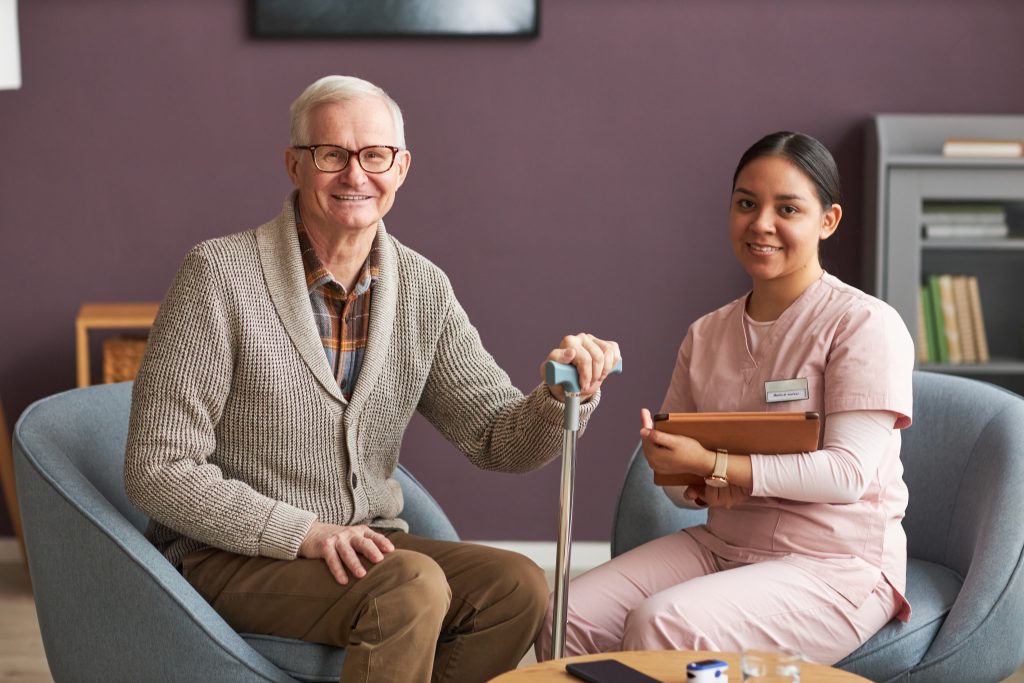
Professionals working in personal care health services for seniors frequently observe that reduced hand strength often accompanies other physical changes. A weaker grip may appear alongside slower walking, reduced endurance, or difficulty maintaining balance. Looking at these signs together provides a more complete picture of a senior’s overall well-being. Early recognition allows families to seek support before independence is significantly affected.
Everyday Tasks May Become More Difficult
Many daily activities depend on healthy grip strength. Opening medication bottles, holding utensils, carrying laundry, using keys, and buttoning clothing all require hand strength and coordination. As these tasks become harder, seniors may begin avoiding them altogether or require more time to complete them. Even seemingly simple responsibilities can become physically exhausting.
Families should pay attention when a loved one frequently asks for help with tasks they previously handled independently. These changes are not simply inconveniences but may indicate declining muscle strength or coordination. Addressing these concerns early can prevent frustration and reduce the risk of accidents. Small physical changes often reveal larger health trends.
Reduced Grip Strength May Affect Safety
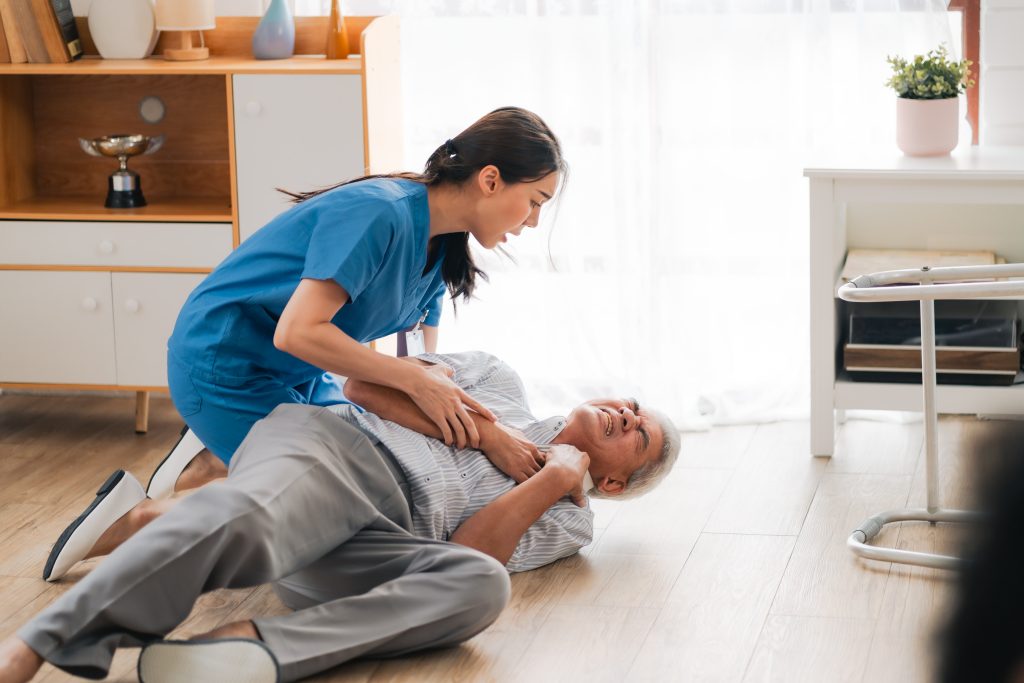
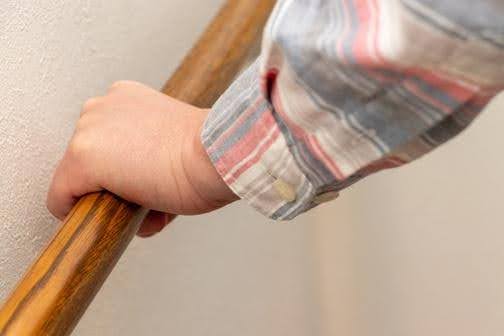
A weaker grip can increase the likelihood of dropping objects, losing balance while using handrails, or struggling to support oneself during movement. These difficulties may contribute to falls, which are a leading cause of injury among older adults. Seniors who feel less physically secure may also become hesitant to remain active. Reduced activity can accelerate muscle loss and decrease overall mobility.
Families should encourage regular physical activity appropriate for their loved one’s abilities. Exercises that improve strength, flexibility, and balance often benefit overall health while reducing fall risk. Safe movement remains an important part of healthy aging. Maintaining confidence is just as valuable as maintaining physical strength.
Nutrition and Physical Activity Play Important Roles
Muscle strength depends not only on exercise but also on proper nutrition. Seniors who eat less due to reduced appetite, dental concerns, or medical conditions may gradually lose muscle mass over time. Adequate protein, hydration, and regular movement all contribute to maintaining strength and function. Healthy lifestyle habits support independence throughout the aging process.
Professional senior home care services often encourage routines that combine nutritious meals with appropriate physical activity. Caregivers can assist with meal preparation while motivating seniors to remain active within their comfort level. These everyday habits contribute to better long-term health. Small, consistent improvements often produce meaningful results.
Signs That Grip Strength May Be Declining
Changes in grip strength often appear gradually rather than suddenly. Paying attention to recurring challenges helps families recognize when additional evaluation or support may be beneficial. Looking for patterns rather than isolated incidents provides a clearer understanding of a senior’s overall condition. Early awareness allows families to respond before daily activities become significantly affected.
You may notice:
- Difficulty opening jars or containers
- Frequently dropping household items
- Trouble holding eating utensils or cups
- Difficulty turning doorknobs or keys
- Reduced confidence during everyday tasks
These signs do not necessarily indicate a serious condition. However, they may suggest that additional support or medical evaluation would be beneficial.
Personal Care Can Help Preserve Independence
As grip strength declines, personal care tasks such as dressing, grooming, and bathing often become more challenging. Buttons, zippers, toothbrushes, and grooming tools all require hand strength and coordination. Receiving assistance with these routines allows seniors to remain comfortable while reducing frustration. Gentle support helps preserve dignity without taking away independence.
Through personal care services in Illinois, caregivers provide respectful assistance that adapts to each individual’s abilities. Rather than completing every task for the senior, caregivers encourage participation whenever possible. This balanced approach promotes confidence while ensuring daily needs are met safely. Personalized assistance helps seniors maintain their quality of life.
Social Engagement Supports Physical Health
Remaining socially active often encourages seniors to stay physically active as well. Visiting friends, attending community events, or participating in hobbies naturally involves movement that helps preserve strength and coordination. Isolation, on the other hand, may contribute to inactivity and further physical decline. Emotional well-being and physical health are closely connected.
Elderly companion care services provide meaningful companionship that encourages seniors to stay engaged with daily life. Caregivers can participate in walks, games, light exercises, and enjoyable conversations that promote both mental and physical wellness. Regular interaction motivates many seniors to remain active. Strong social connections often support healthier aging.
Comprehensive Support Helps Seniors Thrive
Healthy aging involves much more than addressing one physical symptom. A trusted home care agency looks at the whole person, including physical abilities, nutrition, emotional well-being, and daily routines. Personalized care plans ensure seniors receive support that matches their unique needs while preserving independence. Families also gain reassurance knowing experienced caregivers are monitoring subtle changes over time.
At Ace Home Care, our services are designed to help seniors maintain strength, confidence, and independence as they age. Families looking for home care services in Illinois can also benefit from practical assistance such as concierge services for seniors, which help simplify everyday responsibilities while supporting overall well-being. If you’re noticing these signs, it may be time to explore professional support. Learn more about our home care services in Illinois or reach out for guidance.