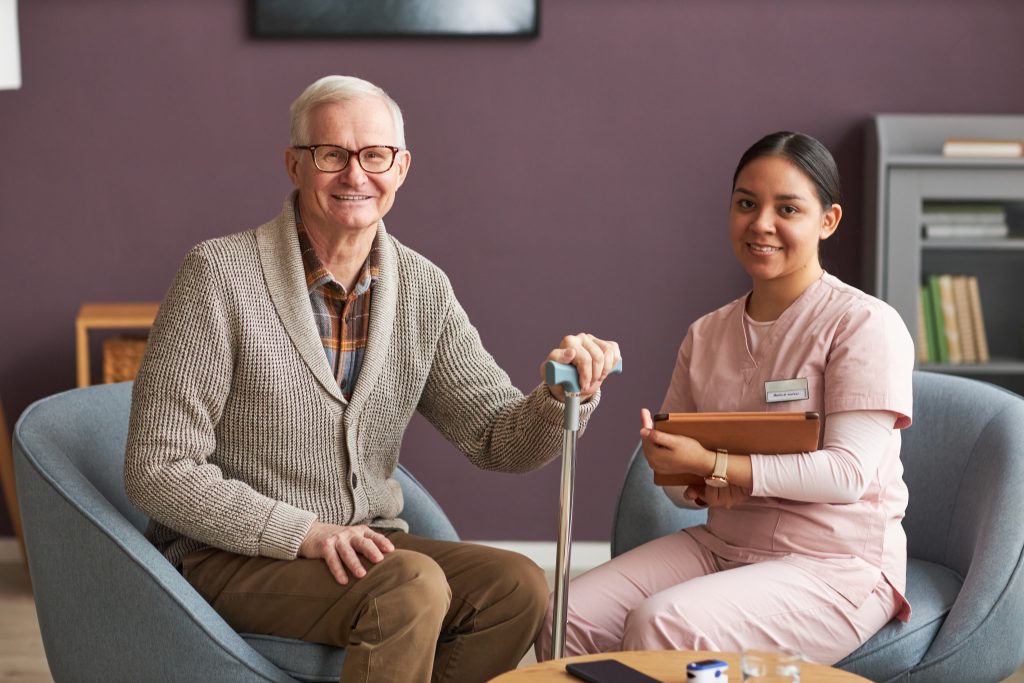

Essential tremor is one of the most common movement disorders among older adults, yet it is often misunderstood. Many people assume shaking hands are simply a normal part of aging or a sign of another neurological condition, but essential tremor is a separate medical disorder that can affect everyday life in significant ways. Although it is not usually life-threatening, it can make routine activities frustrating, time-consuming, and emotionally exhausting. Understanding these daily challenges helps families provide support with greater patience and compassion.
Living with essential tremor involves much more than coping with shaky hands. It can affect confidence, independence, social interactions, and the ability to perform ordinary tasks that most people take for granted. Many seniors become discouraged when activities they once completed easily begin requiring extra effort or assistance. Recognizing these changes early allows families to explore practical solutions that improve both safety and quality of life.
Understanding How Essential Tremor Affects Daily Life
Essential tremor most commonly causes involuntary shaking in the hands, although it may also affect the head, voice, or other parts of the body. The shaking often becomes more noticeable when performing activities rather than while resting, making everyday tasks especially challenging. Many seniors experience symptoms that gradually worsen over time, requiring adjustments to their routines. Learning how the condition affects daily living helps families respond with empathy instead of frustration.
Professionals working in aging care services frequently support seniors who are adapting to these gradual changes. While essential tremor affects everyone differently, the emotional impact can be just as significant as the physical symptoms. A compassionate approach encourages seniors to remain engaged rather than withdrawing from activities they enjoy. Understanding the condition is the first step toward meaningful support.
Simple Tasks Can Become Surprisingly Difficult
Activities that require steady hand movements often become the most challenging. Drinking from a cup, writing a grocery list, fastening buttons, or using eating utensils may take considerably more time and concentration than before. Even preparing a simple meal can become frustrating when hands do not cooperate as expected. These daily struggles can slowly affect confidence.
Families sometimes underestimate how exhausting these repeated challenges can become. Rather than focusing on what a senior can no longer do, it helps to identify practical ways to make everyday tasks easier. Adaptive tools and patient encouragement often make a meaningful difference. Small adjustments can help seniors maintain greater independence.
Emotional Well-Being Is Also Affected
Essential tremor does not only change physical abilities. Many seniors feel embarrassed about visible shaking, especially in public settings or social gatherings. Some begin avoiding restaurants, community events, or family celebrations because they worry about drawing attention to their condition. Over time, this isolation may affect emotional health and self-confidence.
Regular encouragement from loved ones helps reduce feelings of embarrassment. Families should reassure seniors that their condition does not define them or diminish their value. Supporting continued participation in enjoyable activities helps maintain emotional well-being. Staying socially connected remains an important part of healthy aging.
Personal Care May Require Extra Time
Daily grooming and hygiene routines often become more difficult when hand tremors increase. Brushing teeth, shaving, applying makeup, or fastening clothing may require additional patience and coordination. Rather than rushing through these activities, seniors benefit from having enough time to complete them comfortably. A slower pace often reduces frustration.
With personal care services in Illinois, caregivers provide respectful assistance while encouraging seniors to remain as independent as possible. Support is adjusted according to each person’s abilities, allowing them to participate in their own care whenever feasible. This balanced approach helps preserve dignity and confidence. Gentle assistance often transforms stressful routines into manageable ones.
Signs That Additional Support May Be Helpful
Essential tremor often progresses gradually, making it easy for families to overlook increasing difficulties. Watching for changes in daily routines helps identify when additional support could improve safety and quality of life. Small challenges may become more noticeable over time rather than all at once. Paying attention to these patterns helps families respond proactively.
You may notice:
- Frequently dropping cups, utensils, or other objects
- Difficulty eating or drinking without spilling
- Trouble writing clearly or signing documents
- Increased frustration during daily activities
- Avoiding hobbies that require fine hand movements
These signs do not necessarily mean a senior has lost their independence. They often indicate that practical assistance could make everyday life easier and less stressful.
Companionship Helps Build Confidence
Living with essential tremor can sometimes lead seniors to avoid activities they once enjoyed. Having someone nearby for encouragement often helps them remain active and socially engaged despite their symptoms. Regular companionship provides reassurance while reducing feelings of isolation. Emotional support is just as valuable as physical assistance.
Through elderly companion care services, caregivers encourage seniors to participate in hobbies, conversations, walks, and community activities that match their comfort level. Friendly companionship helps restore confidence while creating opportunities for meaningful interaction. Staying engaged contributes to better emotional health and a higher quality of life. Consistent support reminds seniors they do not have to face these challenges alone.
Personalized Care Makes Everyday Life Easier
Every person experiences essential tremor differently, which means care should always be individualized. Some seniors need occasional assistance with meals or dressing, while others require more comprehensive daily support. Flexible care plans allow assistance to change as needs evolve over time. Personalized care focuses on preserving independence while improving comfort.
Professionals providing personal care health services for seniors understand the importance of adapting support to each individual’s abilities and preferences. Caregivers work alongside seniors rather than taking over tasks unnecessarily. This approach promotes confidence while reducing physical and emotional stress. Families also appreciate knowing their loved one is receiving thoughtful, individualized care.
Finding the Right Support at Home
Managing essential tremor becomes much easier when families have dependable support. A trusted home care agency can help identify daily challenges, recommend practical solutions, and provide compassionate assistance tailored to each senior’s needs. Professional caregivers work closely with families to create care plans that promote safety, independence, and emotional well-being. Having reliable support allows seniors to continue living comfortably in familiar surroundings.
At Ace Home Care, our services are designed to help seniors maintain dignity and independence while navigating the everyday challenges that come with aging. Families looking for compassionate home care services in Illinois can rely on experienced caregivers who understand the importance of personalized support. If you’re noticing these signs, it may be time to explore professional support. Learn more about our home care services in Illinois or reach out for guidance.