Vision naturally changes as people age, but many families underestimate how much these changes can affect everyday safety. A senior who has lived comfortably in the same home for decades may suddenly have difficulty seeing steps, reading medication labels, or noticing objects on the floor. These challenges often develop gradually, making them easy to overlook until an accident occurs. Understanding how vision affects daily living can help families create a safer home before problems become emergencies.
Healthy vision supports almost every daily activity, from walking through the house to preparing meals and recognizing potential hazards. When eyesight begins to decline, seniors may unknowingly take greater risks simply because they cannot see obstacles as clearly as before. The good news is that many household accidents are preventable with the right awareness and support. Small adjustments often have a significant impact on safety and confidence.
Age-Related Vision Changes Affect Everyday Living
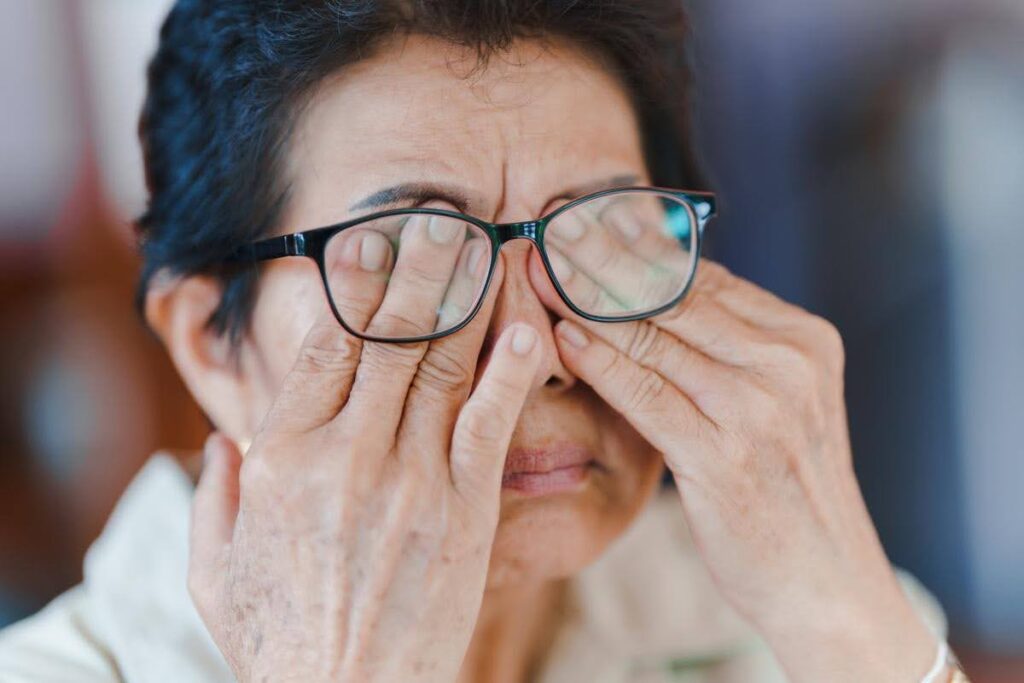
Several common eye conditions become more common as people grow older, including cataracts, glaucoma, age-related macular degeneration, and diabetic eye disease. Even normal age-related changes, such as reduced contrast sensitivity or difficulty adjusting to lighting, can make navigating the home more difficult. These changes may develop slowly enough that seniors adapt without realizing how much their vision has changed. As a result, safety risks gradually increase over time.
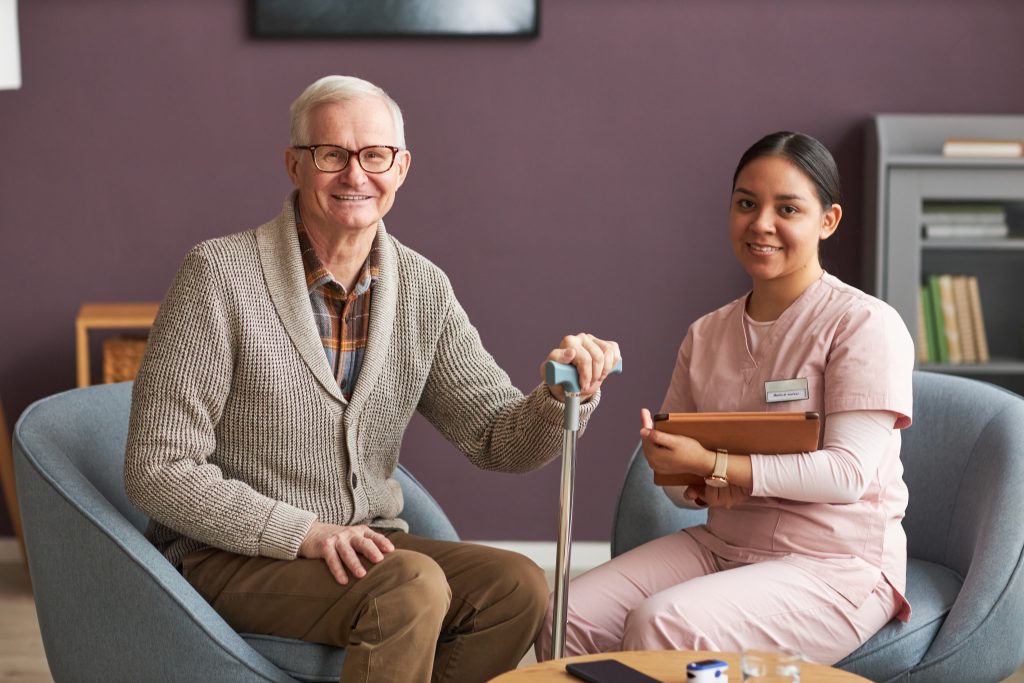
Professionals working in aging care services often notice that declining vision affects much more than reading or watching television. It can influence balance, mobility, confidence, and overall independence. Recognizing these gradual changes allows families to make practical adjustments before accidents occur. Early intervention often helps seniors remain safely at home longer.
Falls Become More Likely
Good vision plays an essential role in maintaining balance and avoiding obstacles. When seniors cannot clearly see stairs, rugs, electrical cords, or uneven flooring, the risk of tripping increases significantly. Poor depth perception can also make judging distances much more difficult. Even familiar surroundings may suddenly become hazardous.
Families should remember that falls often result from several small factors working together rather than one major problem. Improving lighting, removing clutter, and securing loose rugs can reduce many preventable risks. These simple changes make moving around the home safer and more comfortable. Preventing falls begins with identifying potential hazards.
Everyday Household Tasks Become Harder
Vision changes affect many routine responsibilities beyond walking safely. Reading recipes, measuring ingredients, sorting medications, paying bills, or operating household appliances all rely on clear eyesight. As these activities become more difficult, seniors may experience frustration or lose confidence in completing everyday tasks independently. Small mistakes may gradually become more frequent.
Rather than assuming a loved one is becoming forgetful, families should consider whether vision may be contributing to these challenges. Eye examinations and practical home modifications often make daily life easier. Good lighting and larger print labels are simple examples of helpful adjustments. Supporting independence starts with understanding the underlying cause.
Medication Safety Depends on Good Vision
Many seniors take multiple medications every day, making accurate identification especially important. Difficulty reading prescription labels or distinguishing between similar pill bottles increases the risk of medication errors. Missing doses or taking the wrong medication can have serious health consequences. Vision changes often make these mistakes more likely than families realize.
With senior home care services, caregivers can help seniors organize medications and establish safe daily routines. Regular assistance reduces confusion while encouraging independence whenever possible. Families also gain reassurance knowing medications are being managed carefully. Consistent support promotes both safety and peace of mind.
Signs That Vision May Be Affecting Safety
Vision changes are not always obvious because many seniors adjust their routines without mentioning their difficulties. Paying attention to subtle behavioral changes often provides valuable clues. Recognizing these warning signs early allows families to take action before accidents occur. Small observations can make a significant difference.
You may notice:
- Frequently bumping into furniture or doorways
- Difficulty reading mail or medication labels
- Hesitation when walking up or down stairs
- Increased reliance on brighter lighting
- Unexplained bruises or minor falls
These signs do not necessarily indicate severe vision loss. However, they suggest it may be time for an eye examination and a review of home safety.
Personal Care Can Improve Everyday Safety
Vision loss often makes personal care routines more difficult than many people realize. Grooming, dressing, selecting clothing, and safely moving around the bathroom may require additional attention and assistance. Seniors sometimes avoid these activities because they feel uncertain or afraid of falling. Gentle support helps restore confidence while maintaining independence.
Through personal care services in Illinois, caregivers provide respectful assistance with everyday routines while encouraging seniors to remain involved in their own care. This personalized approach helps reduce safety risks without taking away independence. Care is adapted according to each individual’s abilities and preferences. Families benefit from knowing their loved one is receiving compassionate support.
Companionship Encourages Confidence
Vision loss can sometimes cause seniors to withdraw from social activities because they feel less comfortable leaving the house. Reduced confidence may lead to isolation, which can negatively affect both emotional and physical health. Staying socially connected remains important regardless of changes in vision. Encouragement often makes a meaningful difference.
Elderly companion care services provide regular social interaction while helping seniors participate in safe activities they enjoy. Caregivers can accompany seniors during walks, appointments, or community outings, offering reassurance and practical assistance when needed. Continued engagement promotes confidence and emotional well-being. Families often notice improved mood when seniors remain socially active.
Professional Support Creates a Safer Home
Every senior experiences vision changes differently, which is why individualized care is so important. A trusted home care agency evaluates daily routines, identifies potential safety concerns, and recommends practical solutions that support continued independence. Professional caregivers work alongside families to create care plans that evolve as needs change. Personalized support allows seniors to remain comfortable and secure in familiar surroundings.
At Ace Home Care, our services are designed to help seniors safely navigate the everyday challenges that come with changing vision. Families searching for personal care health services for seniors can count on compassionate caregivers who prioritize safety, dignity, and independence. If you’re noticing these signs, it may be time to explore professional support. Learn more about our home care services in Illinois or reach out for guidance.