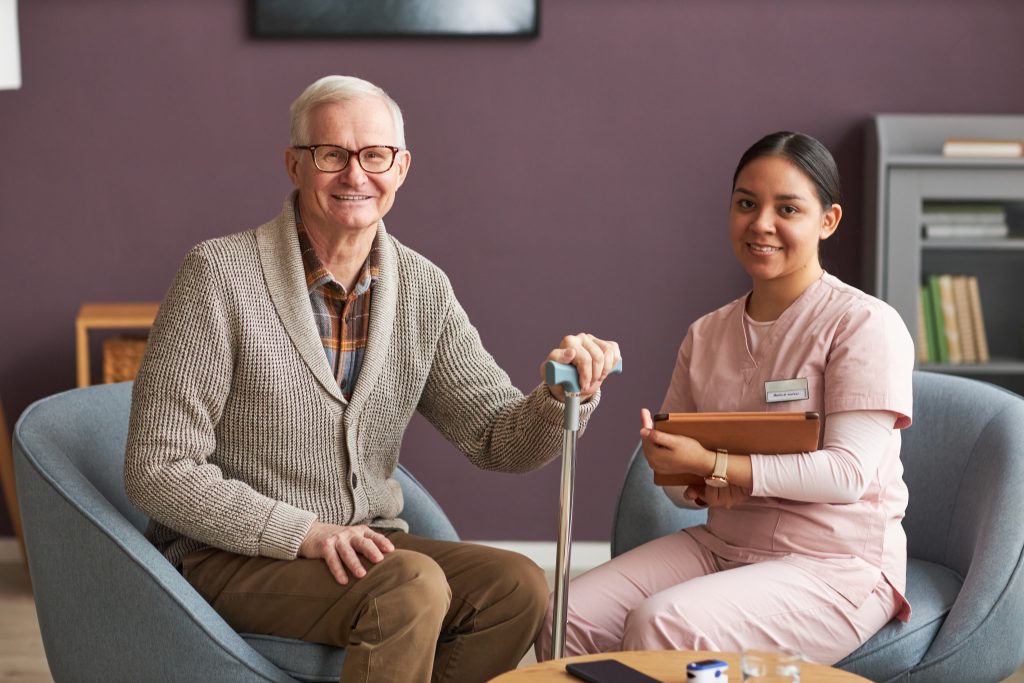

As people grow older, it becomes more common to live with one or more long-term health conditions. Arthritis, diabetes, heart disease, vision problems, hearing loss, and memory changes can all affect how seniors manage everyday life at home. While these conditions may be medically different, they often create similar challenges with mobility, personal care, household responsibilities, and overall independence. Understanding how these health concerns affect daily routines allows families to provide the right support at the right time.
Many seniors work hard to maintain their independence despite these changes. However, everyday tasks that once felt simple may gradually require more time, extra effort, or occasional assistance. Recognizing these challenges early allows families to make practical adjustments before safety or quality of life begins to decline. With compassionate planning and personalized care, many older adults can continue living comfortably in familiar surroundings.
Every Health Condition Affects Daily Routines Differently
No two seniors experience aging in exactly the same way. One person may struggle with joint pain that limits mobility, while another may experience vision loss or memory changes that make household tasks more difficult. Even seniors with the same diagnosis often have different abilities and support needs. Personalized care begins with understanding each individual’s unique situation.
Professionals working in aging care services understand that successful care plans are built around the person rather than the diagnosis. Looking at daily routines, personal goals, and lifestyle provides a clearer picture of the assistance that may be helpful. This individualized approach promotes both safety and independence. Flexible support often leads to better long-term outcomes.
Mobility Challenges Affect More Than Walking
Conditions such as arthritis, osteoporosis, Parkinson’s disease, or muscle weakness can make movement more difficult. Walking across the house, climbing stairs, standing from a chair, or carrying groceries may require considerably more effort than before. Reduced mobility often causes seniors to limit their activities, which may contribute to further physical decline. Remaining safely active is an important part of healthy aging.
Families should pay attention to gradual changes rather than waiting for a fall or injury to occur. Small mobility challenges often appear long before major safety concerns become obvious. Encouraging safe movement and removing household hazards can reduce unnecessary risks. Early intervention helps preserve confidence and independence.
Chronic Illness Can Affect Energy Levels
Living with chronic medical conditions often requires the body to work harder every day. Heart disease, diabetes, lung conditions, or kidney disease may leave seniors feeling tired even after getting enough sleep. Fatigue can make preparing meals, cleaning the house, or attending appointments feel overwhelming. As a result, some daily responsibilities may begin falling behind.
Rather than assuming a senior has become unmotivated, families should consider how ongoing health conditions may be affecting energy levels. Allowing extra time for activities and prioritizing important tasks helps reduce unnecessary stress. Gentle encouragement often supports better daily routines. Understanding the source of fatigue leads to more compassionate caregiving.
Personal Care May Require Additional Assistance
Health conditions frequently affect a senior’s ability to complete personal care routines safely. Bathing, dressing, grooming, and using the bathroom may become physically demanding due to pain, weakness, or limited balance. Many seniors hesitate to ask for help because they want to remain independent. Quietly struggling with these tasks can increase safety risks over time.
With personal care services in Illinois, caregivers provide respectful assistance while encouraging seniors to participate as much as they comfortably can. Personalized support helps maintain dignity while reducing physical strain during everyday routines. Families also gain reassurance knowing these important needs are being addressed consistently. Gentle assistance promotes both safety and confidence.
Signs That Everyday Life Is Becoming More Difficult
The impact of chronic health conditions often appears gradually rather than all at once. Paying attention to changes in routine helps families recognize when additional support may improve safety and quality of life. Looking at patterns over time provides a clearer understanding than focusing on isolated incidents. Early recognition allows for thoughtful planning instead of reacting during a crisis.
You may notice:
- Difficulty completing household chores
- Increased fatigue during routine activities
- Missed medications or appointments
- Less interest in hobbies or social activities
- More frequent balance or mobility concerns
These changes do not necessarily mean a senior can no longer live independently. However, they often suggest that practical assistance would make everyday life safer and more manageable.
Emotional Health Is Closely Connected to Physical Health
Managing long-term health conditions can affect emotional well-being as much as physical health. Seniors may become frustrated when they can no longer do everything they once enjoyed or complete tasks as easily as before. These feelings sometimes lead to loneliness, anxiety, or reduced confidence. Emotional support is an important part of healthy aging.
Elderly companion care services provide meaningful social interaction that helps seniors remain connected and engaged. Regular conversations, shared activities, and encouragement often improve mood while reducing feelings of isolation. Emotional well-being supports better physical health and greater motivation. Strong relationships help seniors face daily challenges with confidence.
Personalized Care Supports Independence
Every senior deserves care that reflects their individual strengths, preferences, and health needs. Receiving assistance does not mean giving up independence. Instead, personalized support allows seniors to continue doing what they can while receiving help where it is truly needed. This balanced approach encourages confidence and self-esteem.
Professionals providing personal care health services for seniors develop care plans that adapt as health conditions change over time. Caregivers work alongside seniors instead of replacing their independence whenever possible. Flexible support helps individuals remain comfortable in their own homes. Families also appreciate knowing care evolves as needs change.
Choosing the Right Support at Home
As health conditions become more complex, families often discover that additional support improves life for everyone involved. A trusted home care agency provides practical assistance while helping seniors remain safe, comfortable, and independent in familiar surroundings. Professional caregivers work closely with families to develop personalized care plans based on changing needs. This partnership reduces stress while promoting better daily living.
At Ace Home Care, our services are designed to support seniors living with a wide range of health conditions through compassionate, individualized care. Families searching for reliable home care services in Illinois can count on experienced caregivers who prioritize dignity, comfort, and independence. If you’re noticing these signs, it may be time to explore professional support. Learn more about our home care services in Illinois or reach out for guidance.