
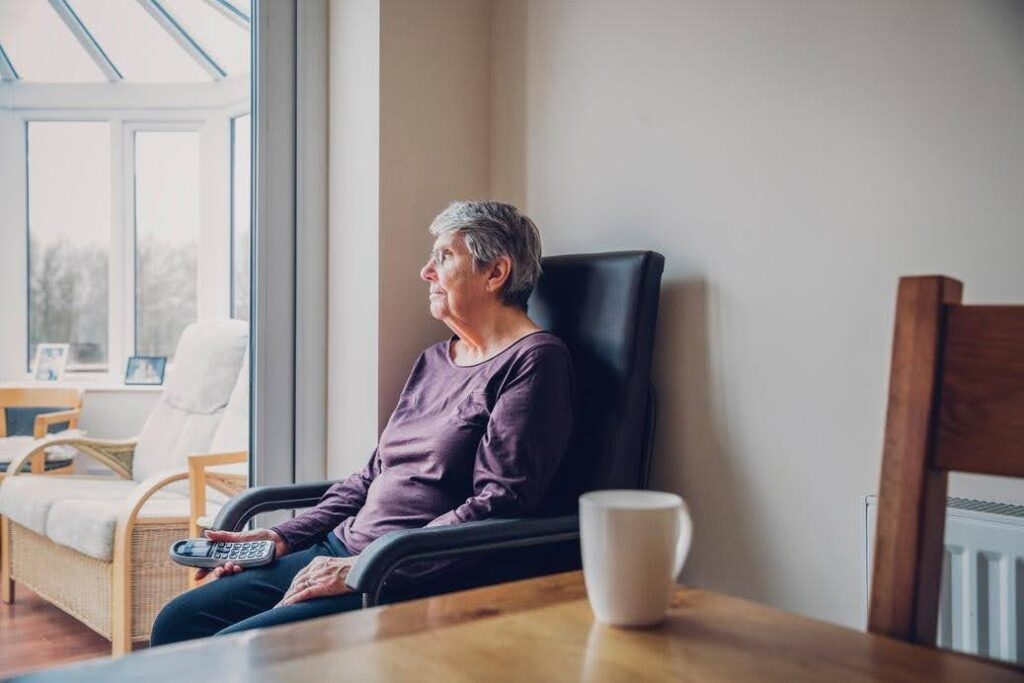
Independence often means much more to an older adult than simply being able to live alone. It can mean choosing when to get up, preparing a favorite meal, taking care of the home, visiting friends, and managing personal routines without relying heavily on others. As the body changes with age, however, some of these familiar activities may gradually require more energy or become less safe. These changes do not happen at the same pace for everyone, which is why families need to look at the individual rather than age alone.
Physical changes can also be subtle enough that families do not recognize them right away. A parent may stop using the upstairs bedroom, choose easier meals instead of cooking, or avoid outings because walking has become tiring. These adaptations can help a senior cope for a while, but they may also hide difficulties that deserve attention. Understanding what is changing makes it easier to provide appropriate support without unnecessarily taking away independence.
Muscle Loss Can Make Familiar Tasks Feel Harder
Adults naturally lose some muscle mass and strength as they grow older, particularly when physical activity decreases. A senior may notice that carrying groceries, lifting laundry, standing from a low chair, or climbing stairs requires more effort than it once did. These changes can make ordinary household routines tiring even when the person has no major illness. Over time, avoiding difficult activities can contribute to further weakness and make independence harder to maintain.
Support through senior home care services can help families recognize where physical limitations are beginning to interfere with everyday life. The goal should not be to immediately take over every difficult task, because continuing safe activity is valuable for maintaining ability and confidence. Instead, families can look for ways to reduce unnecessary strain while encouraging appropriate movement. A thoughtful balance between assistance and independence often works better than either extreme.
Balance Changes Can Increase the Risk of Falls
Balance depends on several systems working together, including vision, muscles, joints, sensation, and the inner ear. Age-related changes in any of these areas can make a senior less steady, especially when getting out of bed, turning quickly, or walking on uneven surfaces. Some older adults respond by moving less because they are afraid of falling. Unfortunately, becoming less active can weaken the muscles needed for balance even further.
Families can improve safety by looking carefully at the places where a loved one spends the most time. Loose rugs, cluttered pathways, poor lighting, slippery bathroom floors, and frequently used items stored too high or too low can create avoidable hazards. A home care agency in Illinois may also provide assistance with routines that have become difficult to complete safely. The right support can reduce risk while allowing the senior to continue participating in daily life.
Joint Stiffness Can Change Personal Routines
Stiff or painful joints can make seemingly simple movements surprisingly difficult. Reaching behind the body while dressing, bending to put on socks, stepping into a shower, or standing long enough to complete grooming may become uncomfortable. Seniors sometimes compensate quietly by bathing less frequently, wearing easier clothing, or avoiding tasks that cause pain. These changes can be mistaken for a lack of interest in personal hygiene when physical discomfort is actually the problem.
Through personal care services in Illinois, older adults can receive respectful assistance with routines that have become physically demanding. The amount of help should reflect what the person actually needs rather than assuming they can no longer participate. Allowing a senior to make choices and complete manageable portions of the routine protects dignity and confidence. Assistance is most effective when it makes independence safer rather than replacing it unnecessarily.
Vision and Hearing Changes Affect More Than Communication
Changes in vision can make it harder to judge steps, notice objects on the floor, read medication labels, or safely prepare food. Hearing loss may make it difficult to notice alarms, timers, doorbells, or instructions from another person. When several sensory changes occur together, a familiar home can become more difficult to navigate than family members realize. Seniors may adapt gradually, so the extent of the difficulty is not always obvious during a short visit.
Families can help by improving lighting, reducing background noise, increasing contrast around steps, and keeping important household items in predictable locations. Regular vision and hearing evaluations are also important when noticeable changes develop. Personal care health services for seniors can provide additional daily assistance when sensory changes begin interfering with routine activities. Thoughtful adjustments can often preserve independence without requiring major changes to the senior’s lifestyle.
Watch for Changes in Everyday Function
A single difficult day does not necessarily mean a parent can no longer manage independently. What matters more is whether the same difficulties keep appearing or gradually become more noticeable. Families can learn a great deal by observing how a loved one manages ordinary routines rather than focusing only on medical diagnoses. Changes in everyday function often provide some of the earliest clues that additional assistance would be helpful.
Signs worth paying attention to include:
- Needing furniture or walls for support while walking
- Taking much longer to dress, bathe, or prepare meals
- Avoiding stairs or certain rooms in the home
- Frequently dropping or struggling to carry everyday objects
- Becoming unusually tired after routine household activities
- Experiencing repeated near-falls or unexplained bruises
These signs should be considered in context rather than used as a diagnosis. Persistent or sudden physical changes should also be discussed with an appropriate healthcare professional, especially when they interfere with normal activities. Senior home care services can complement that medical guidance by helping families address the practical challenges occurring at home. Early support can make it easier to maintain routines before difficulties become overwhelming.
Reduced Endurance Can Shrink a Senior’s World
Aging can affect stamina even when an older adult remains relatively active. Walking through a large grocery store, standing long enough to prepare dinner, or completing several household chores in one afternoon may become exhausting. Seniors often adapt by doing fewer activities, taking more breaks, or avoiding outings that require significant energy. Gradually, their daily world can become smaller without anyone deliberately choosing for that to happen.
This is one reason families should look beyond whether a parent can technically complete a task and consider how much effort it requires. Someone may still be able to prepare dinner but feel too exhausted afterward to clean the kitchen or take a shower. Elderly companion care services can provide practical encouragement and companionship that make daily activities feel less burdensome. Appropriate assistance can help seniors conserve energy for the people and activities that matter most to them.
Hand Strength and Coordination Matter for Independence
Changes in grip strength and fine motor coordination can affect many activities that families rarely think about. Opening containers, turning keys, fastening buttons, handling utensils, using a phone, and managing household objects all depend on hand function. When these movements become difficult, seniors may quietly stop doing certain activities rather than admit they need help. Frustration can increase when a person’s mind knows exactly what to do but the body no longer responds as easily.
Families can look for adaptive utensils, easy-grip household tools, clothing with simpler fasteners, and other practical modifications that reduce unnecessary difficulty. Occupational therapy or medical guidance may also be appropriate when hand function changes significantly or suddenly. Thoughtful home care services in Illinois can provide additional assistance with tasks that have become challenging while allowing seniors to continue doing what remains comfortable. Small adaptations often protect independence more effectively than taking over an entire routine.
The Right Support Can Protect Independence
Physical changes do not automatically mean an older adult must give up living at home. The more useful question is whether the senior can complete important routines safely, consistently, and without becoming excessively exhausted. Families should consider mobility, nutrition, hygiene, social engagement, household safety, and the amount of effort required to manage an ordinary day. Looking at the whole picture makes it easier to determine what level of assistance is appropriate.
At Ace Home Care, services can be personalized around the areas where an older adult actually needs assistance while respecting the abilities they want to maintain. Support may begin with a few specific routines and change over time as the person’s circumstances evolve. Families do not have to wait for a fall, hospitalization, or other crisis before discussing what could make daily life safer and more comfortable. If you’re noticing these signs, it may be time to explore professional support. Learn more about our home care services in Illinois or reach out for guidance.