
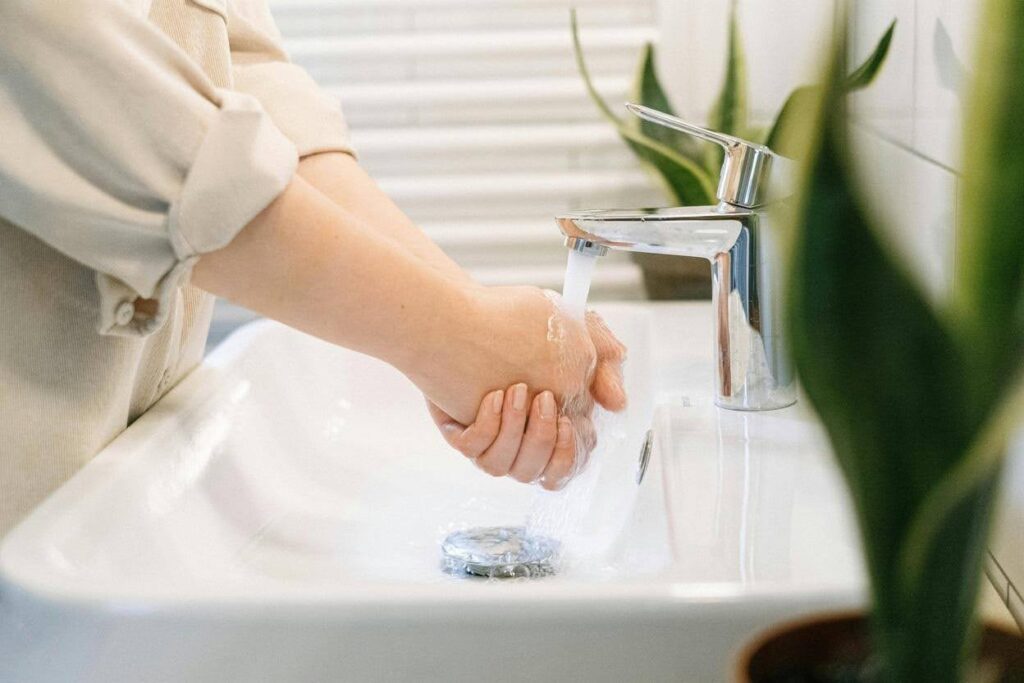
Changes in an aging parent’s personal hygiene can be difficult for families to notice and even harder to discuss. A parent who once took pride in bathing regularly, wearing clean clothes, or keeping up with grooming may gradually begin skipping these routines. Adult children may feel worried but hesitate to say anything because they do not want to embarrass or upset their parents. Understanding what may be behind these changes can make it easier to approach the situation with respect rather than criticism.
Older adults rarely stop caring about hygiene simply because they no longer think it matters. Pain, weakness, fear of falling, memory changes, fatigue, or embarrassment about needing assistance can all interfere with routines that were once easy. Some seniors also hide their difficulties because asking for help feels like admitting they are losing independence. Recognizing that personal hygiene struggles often have an underlying cause allows families to offer support in a way that protects dignity.
Look Beyond the Hygiene Problem
When a parent stops bathing regularly or begins wearing the same clothing repeatedly, it is natural to focus on the visible problem. However, the more important question is why the routine has changed. Arthritis may make it painful to reach certain areas of the body, poor balance can make showers frightening, and reduced hand strength can make buttons or grooming tools difficult to manage. Understanding the cause helps families find solutions that actually address the problem.
Families exploring senior home care services should consider the person’s overall daily function rather than treating hygiene as an isolated concern. Pay attention to whether other activities, such as cooking, cleaning, walking, or managing medications, have also become more difficult. Several small changes occurring together can provide a clearer picture of what your parent is experiencing. This broader perspective also helps determine what type of support may be appropriate.
Understand Why Your Parent May Not Ask for Help
Needing assistance with bathing, dressing, or toileting can feel deeply personal to an older adult. Someone who has spent decades caring for themselves and others may find it uncomfortable to admit that these routines have become difficult. They may worry about becoming dependent on their children or losing control over decisions about their own life. Refusing assistance can therefore be an attempt to protect independence rather than a rejection of the family.
A compassionate conversation should focus on comfort and safety instead of what the parent is doing wrong. Avoid statements that could make them feel ashamed, and ask whether certain routines have become tiring, painful, or frightening. Families considering a home care agency in Illinois can also involve their parent in deciding what kind of assistance would feel acceptable. Having choices can make receiving help feel much less threatening.
Bathing Can Become a Major Safety Concern
Bathrooms can become challenging environments as balance, strength, flexibility, and vision change with age. Stepping over the side of a bathtub, standing on a wet surface, or reaching for toiletries can create a genuine fear of falling. A senior may begin avoiding showers because the experience no longer feels safe, even if they never explain that fear to their family. What appears to be resistance may actually be a practical response to a difficult situation.
Families can improve safety by considering grab bars, non-slip surfaces, shower chairs, handheld showerheads, and better bathroom lighting. These modifications should be selected according to the person’s individual abilities and home environment. Through personal care services in Illinois, caregivers can also provide respectful assistance with bathing and grooming when these routines can no longer be managed comfortably alone. The goal is to make personal care safer while preserving as much independence as possible.
Watch for Other Changes in Personal Care
Hygiene difficulties do not always begin with completely refusing to bathe. The first signs may be subtle, especially when an older adult is intentionally trying to hide them. Families who visit only occasionally may notice a change without immediately understanding what it means. Looking for patterns can help distinguish an occasional skipped routine from an ongoing difficulty.
Changes worth paying attention to include:
- Wearing the same clothing for several days
- Bathing or showering much less frequently
- Noticeable body odor or unwashed hair
- Difficulty shaving, brushing teeth, or maintaining grooming
- Wearing stained or inappropriate clothing
- Avoiding conversations about bathing or personal care
These signs should be approached with sensitivity rather than used as reasons to criticize a parent. Personal care health services for seniors can provide assistance when these routines are becoming physically or emotionally difficult. Families should also consider speaking with an appropriate healthcare professional when hygiene changes appear suddenly or occur alongside significant changes in mood, memory, mobility, or health.
Make Assistance Feel Less Like a Loss of Independence
Older adults may resist help when they believe someone else will immediately take control of their routines. A better approach is to identify which parts of personal care remain manageable and which parts have become difficult. Your parent might still be able to wash independently but need help getting safely in and out of the shower, preparing clean clothing, or organizing toiletries. Providing only the necessary level of assistance helps preserve confidence.
Professional senior home care services can be adjusted around these individual abilities instead of following the same routine for every person. Caregivers can encourage seniors to complete the portions of personal care they can safely manage while offering assistance where needed. This approach respects the person’s abilities and preferences rather than focusing only on limitations. Maintaining participation can make accepting help much easier emotionally.
Consider Whether Loneliness Is Affecting Daily Routines
Personal hygiene can sometimes decline when an older adult becomes socially isolated. Someone who rarely leaves the house or sees other people may gradually feel less motivated to dress, groom, or follow familiar routines. Loneliness can also affect appetite, activity levels, sleep, and interest in hobbies, making hygiene changes part of a larger shift in everyday life. Families should therefore consider emotional well-being alongside physical ability.
Elderly companion care services can provide regular conversation, encouragement, and meaningful interaction that brings more structure into the day. A caregiver can encourage routines without making every interaction feel focused on what the senior can no longer do independently. Having something to look forward to can also motivate older adults to remain engaged with personal care and other daily activities. Consistent companionship can provide families with another perspective on how their loved one is managing between visits.
Start the Conversation Without Creating Shame
Choosing the right moment to discuss personal hygiene matters. Bringing up the issue during an argument or immediately after noticing an odor can make a parent feel embarrassed and defensive. Instead, choose a private, calm moment and begin with an observation about what seems difficult rather than a criticism about cleanliness. Asking questions gives your parent an opportunity to explain concerns you may not have recognized.
Families can also offer practical choices rather than presenting care as a decision that has already been made. Ask whether your parent would prefer assistance in the morning or evening, whether certain tasks feel harder than others, and what would make the bathroom feel safer. Exploring home care services in Illinois together can help your parent remain involved in decisions about their own care. Respectful conversations build trust and make future discussions easier.
Find Support That Respects Your Parent’s Dignity
The need for help with hygiene does not mean an older adult has lost the ability to live a meaningful or independent life. Sometimes a small amount of consistent assistance is enough to make bathing, dressing, and grooming safer and less exhausting. Families should look for support that adapts to the senior’s routines, preferences, abilities, and comfort level. The best care should feel like assistance rather than control.
At Ace Home Care, ace home care services are designed to support older adults with everyday needs while respecting their privacy, choices, and independence. Families can begin by discussing the specific routines that have become difficult instead of waiting until personal care becomes a source of repeated conflict or a safety concern. Compassionate assistance can also allow adult children to spend more time being family rather than managing every personal care task themselves. If you’re noticing these signs, it may be time to explore professional support. Learn more about our home care services in Illinois or reach out for guidance.