
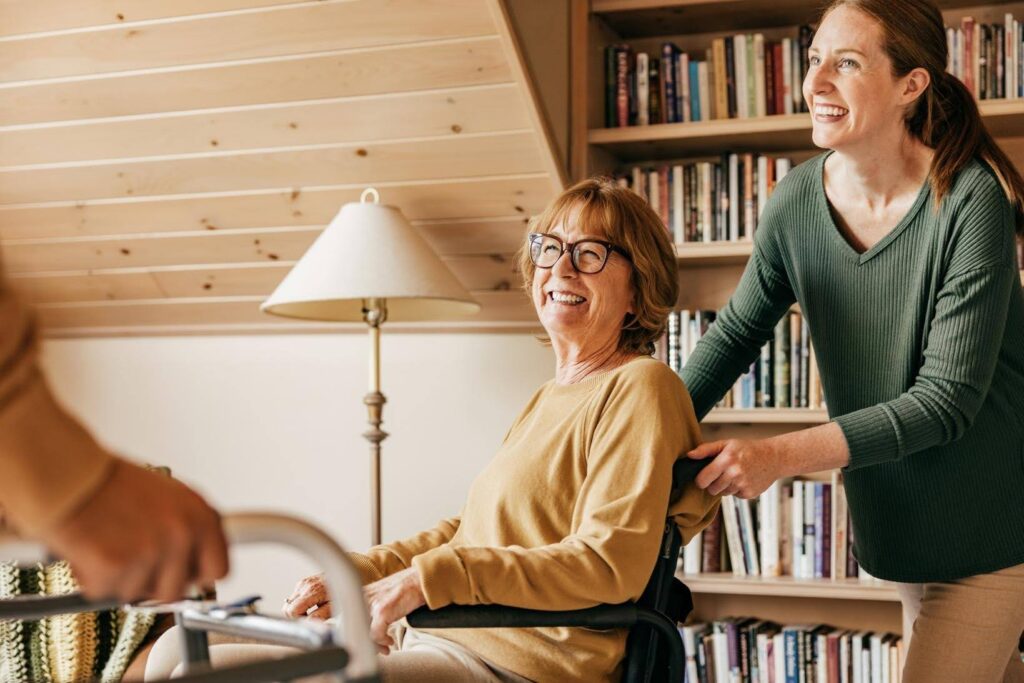
An aging parent does not usually wake up one morning and decide to stop going places, seeing friends, or participating in favorite activities. Their world often becomes smaller through a series of quiet adjustments that can be difficult for family members to notice. They may stop driving at night, skip a weekly gathering because walking has become tiring, or begin ordering necessities instead of visiting familiar stores. Each change can seem reasonable on its own, but together they may reveal that daily life has become more limited.
These changes are especially easy to miss when adult children live far away or see their parent only on weekends and holidays. A parent may still sound cheerful on the phone and appear independent during a short visit while spending most of the week alone. Families should not assume that reduced activity automatically means something is wrong, because priorities and energy naturally change with age. However, understanding why a parent’s routines are shrinking can help families distinguish personal choice from limitations that deserve additional support.
Notice What Has Quietly Disappeared From the Routine
Families often notice new problems more easily than activities that have simply stopped happening. A parent may no longer mention church gatherings, gardening, neighborhood walks, lunches with friends, or trips to a favorite store. Because there is no dramatic event associated with these changes, months can pass before anyone realizes how different the person’s routine has become. Looking at what has disappeared can reveal important information about everyday function.
Professionals involved in senior home care services often consider changes in routine alongside physical, emotional, and social well-being. Instead of asking only whether Mom or Dad is doing well, families can ask specific questions about how they spent the week, whom they saw, and what they enjoyed. These conversations make it easier to understand whether reduced activity reflects preference, fatigue, mobility problems, or another concern. Specific questions usually provide more useful information than a general “Are you okay?”
Physical Changes Can Gradually Limit Where a Senior Goes
A senior may still be able to walk independently while finding longer distances increasingly difficult. Arthritis, muscle weakness, balance concerns, vision changes, or reduced endurance can make stairs, parking lots, crowded stores, and unfamiliar environments feel intimidating. Rather than discussing these difficulties, some older adults simply stop visiting places that require more physical effort. Their decision may appear voluntary even when physical limitations are influencing it.
A home care agency in Illinois can provide practical support when everyday limitations begin restricting activities that remain important to an older adult. The goal should not be to fill every hour or pressure someone to be more active than they want to be. Instead, families can identify activities the senior genuinely misses and determine what obstacle is preventing participation. Removing one practical barrier can sometimes reopen an important part of the person’s life.
Daily Self-Care Can Begin Taking More Energy
When bathing, dressing, grooming, or getting ready to leave the house becomes physically demanding, seniors may decide that staying home is easier. Someone who previously enjoyed meeting friends may decline invitations because getting ready now requires much more effort. Family members may interpret repeated refusals as a loss of interest without realizing how exhausting preparation has become. Physical effort can quietly influence social participation.
Through personal care services in Illinois, older adults can receive assistance with routines that have become difficult while remaining involved in the parts they can still manage comfortably. Help with dressing, grooming, or preparing for an outing may conserve enough energy for the senior to actually enjoy the activity afterward. Appropriate assistance should support participation rather than replace independence unnecessarily. Sometimes helping with the beginning of the day makes the rest of the day possible.
The Home Can Slowly Become the Entire World
Remaining at home can provide comfort and familiarity, especially for someone who has lived there for many years. However, when the home becomes almost the only place a senior spends time, opportunities for movement, conversation, and new experiences may decrease significantly. Days can begin blending together when there are few appointments, visitors, activities, or reasons to leave the house. This can happen gradually enough that neither the senior nor the family immediately recognizes the change.
Professional senior home care services can introduce greater structure and meaningful interaction into everyday routines without forcing unwanted activity. A caregiver might encourage a short walk, help prepare for a family visit, participate in a favorite hobby, or simply provide regular conversation. The goal is not constant entertainment but meaningful engagement that reflects the person’s interests. Consistent human connection can make an ordinary week feel much less isolated.
Look for Signs That Their World Is Becoming Smaller
One missed gathering or quiet weekend is rarely a reason for concern. Families should instead look for patterns that show a significant change from how their parent previously lived. Pay particular attention when several areas of life begin shrinking at the same time. Understanding the pattern can help families decide whether a conversation or additional support is appropriate.
Changes worth noticing include:
- Regularly declining invitations that were once enjoyable
- Giving up hobbies without replacing them with other interests
- Rarely leaving the house except for medical appointments
- Speaking with friends or relatives much less frequently
- Avoiding errands because walking or transportation feels difficult
- Spending most days watching television or sleeping
- Becoming less interested in personal appearance before outings
These behaviors do not automatically mean an older adult needs extensive care. They can, however, provide useful clues about physical limitations, loneliness, transportation difficulties, or changes in emotional well-being. Personal care health services for seniors may be helpful when reduced activity occurs alongside increasing difficulty with everyday routines.
Household Difficulties Can Also Keep Seniors at Home
Managing a household requires considerable time and energy, particularly when physical abilities begin changing. Laundry, dishes, vacuuming, changing bedding, and other routine chores may consume much of the energy a senior has available for the day. Someone may decline an afternoon outing because completing basic household responsibilities has already left them exhausted. Families visiting a tidy home may never realize how much effort maintaining it requires.
Elderly companion care services can reduce some of this physical burden while allowing older adults to continue managing the tasks they prefer to handle themselves. Assistance with routine chores can free energy for meals, exercise, hobbies, or social activities that contribute to quality of life. Practical help should be based on what has actually become difficult rather than automatically taking over the household. Preserving energy can be just as important as completing the chore itself.
Ask Better Questions About Everyday Life
Adult children often rely on phone conversations to understand how a parent is doing, but general questions can produce general answers. Asking “How are you?” may result in the familiar response of “I’m fine,” even when the person’s routine has changed significantly. More specific questions about meals, visitors, errands, activities, and plans can reveal how everyday life actually looks. The goal is curiosity rather than interrogation.
Families considering adult care should also involve their parent in conversations about what they miss and what they would like to do more often. Perhaps they want to attend church again but no longer feel comfortable driving, or they miss cooking but find grocery shopping exhausting. Identifying the barrier makes it possible to offer support that has a meaningful purpose. Care decisions are more respectful when they begin with the older adult’s priorities rather than the family’s assumptions.
Help Expand Life Without Taking It Over
A smaller routine does not always need to become a larger one, because some older adults genuinely prefer a quieter pace. The important question is whether the person’s current lifestyle reflects their choices or limitations they do not know how to overcome. Support should make meaningful activities more accessible without creating a schedule that feels imposed on them. Even one regular outing, visitor, hobby, or shared meal can restore something valuable to the week.
At Ace Home Care, ace home care services can be personalized around the practical challenges that are making everyday life more limited while respecting each senior’s preferences and independence. Families exploring home care services in Illinois can consider support that helps their loved one maintain routines, conserve energy, stay connected, and continue participating in activities that matter to them. Paying attention before a parent’s world becomes extremely restricted gives families more opportunities to make small, comfortable changes together. If you’re noticing these signs, it may be time to explore professional support. Learn more about our home care services in Illinois or reach out for guidance.