
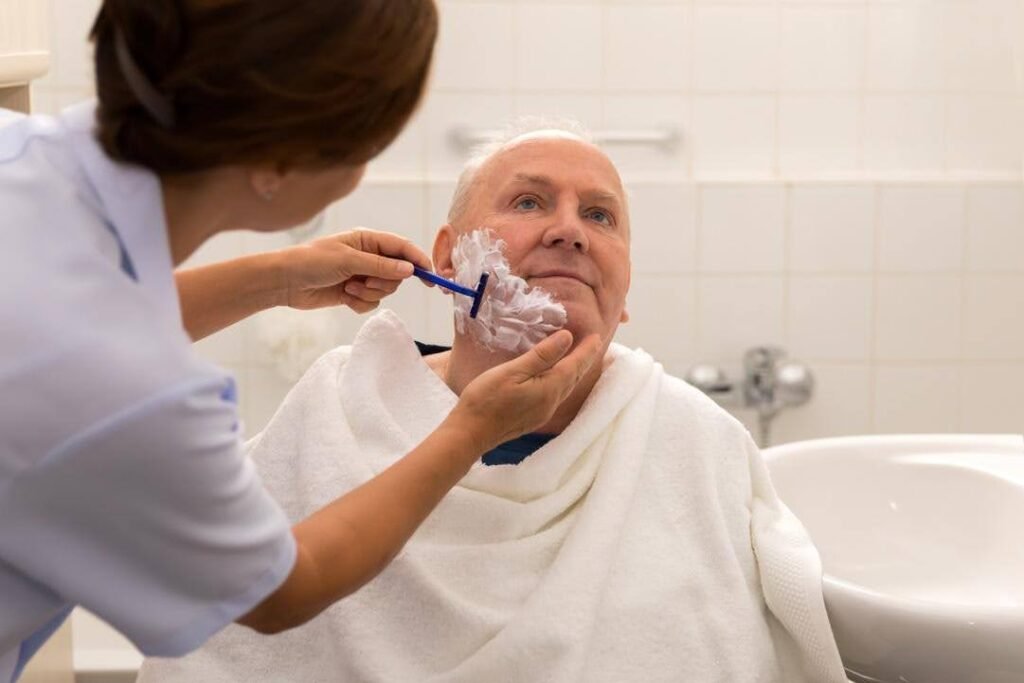
Noticing that an aging parent is no longer maintaining their usual personal hygiene can be difficult, especially when they have always taken pride in their appearance and independence. Your mother may begin wearing the same clothes for several days, while your father may avoid bathing or stop following his regular grooming routine. These changes can be confusing for family members who are unsure whether their loved one is simply changing personal habits or experiencing difficulties that require additional attention. Approaching the situation with patience and understanding is important because personal hygiene is closely connected to dignity, comfort, health, and emotional well-being.
Changes in hygiene habits do not necessarily mean that an older adult is unwilling to care for themselves. Physical limitations, chronic pain, fatigue, memory difficulties, depression, and fear of falling can all make everyday personal care more challenging. Some seniors may also feel embarrassed about needing assistance and avoid discussing the difficulties they experience while bathing, dressing, or using the bathroom. Families should focus on identifying the reasons behind these changes and finding practical ways to help their loved one maintain personal hygiene without making them feel judged or unnecessarily dependent.
1. Recognize Changes in Personal Hygiene That May Require Attention
Occasionally skipping a shower or wearing comfortable clothing more frequently does not automatically indicate that an older adult needs professional assistance. However, families should pay closer attention when changes in hygiene become consistent or begin affecting their parent’s comfort and well-being. An older adult may repeatedly wear soiled clothing, neglect oral hygiene, avoid bathing for extended periods, or stop maintaining grooming habits they previously followed regularly. These changes may also appear alongside difficulties managing laundry, organizing personal belongings, or completing other familiar household responsibilities.
When considering senior home care services, begin by observing which personal care activities have become difficult and how frequently problems occur. Ask your parent whether bathing, dressing, brushing their teeth, or changing clothes has become uncomfortable, tiring, or confusing. Look for patterns rather than making assumptions based on a single observation, and consider whether recent illness, medication changes, or mobility limitations may be contributing to the problem. If hygiene changes occur suddenly or are accompanied by confusion, significant mood changes, skin problems, or other concerning symptoms, arrange an appropriate medical evaluation.
2. Understand Why Your Parent May Be Avoiding Bathing or Grooming
There are several reasons an older adult may begin avoiding personal hygiene routines, and the explanation is not always immediately obvious. Arthritis can make it difficult to reach certain areas of the body, while reduced balance may create anxiety about stepping into a bathtub or standing in the shower. Vision problems, weakness, and fatigue can also make familiar grooming activities more demanding than they once were. In some cases, an older adult may avoid bathing because they previously slipped, experienced discomfort, or no longer feel confident managing the bathroom independently.
Before contacting a home care agency in Illinois, have a respectful conversation with your parent about the activities they find challenging. Instead of asking why they are not bathing regularly, consider asking whether the shower feels safe or whether certain movements have become uncomfortable. This approach gives your loved one an opportunity to explain concerns without feeling criticized or embarrassed. Families should also consider whether changes in memory, mood, or physical health require assessment by a healthcare professional before deciding what type of assistance would be appropriate.
3. Determine Whether Your Parent Needs Hands-On Personal Care Assistance
Some older adults can maintain personal hygiene with occasional reminders or simple adjustments to their routines. Others may need physical assistance because bathing, dressing, or grooming has become difficult to complete safely. A parent with limited shoulder mobility may struggle to wash their hair, while someone with reduced balance may need help navigating personal care activities that involve standing or changing positions. Understanding the difference between needing reminders and requiring physical assistance is important when planning appropriate support.
Professional personal care services in Illinois may provide non-medical assistance with bathing, dressing, grooming, and other everyday activities according to the individual’s needs. Families should discuss which responsibilities their parent can still manage independently and which tasks require assistance from another person. Caregivers should approach personal routines respectfully, explain what they are doing, and allow the older adult to participate whenever it is safe and comfortable. If your parent has significant mobility limitations, complex transfer needs, or medical conditions affecting safe movement, consult an appropriate healthcare professional before arranging physically demanding assistance.
4. Consider Whether Memory Difficulties Are Affecting Hygiene Routines
Memory changes can interfere with personal hygiene even when an older adult remains physically capable of bathing and dressing. Your parent may forget when they last showered, repeatedly choose the same clothing, or become uncertain about the steps involved in familiar grooming activities. Some seniors may also become overwhelmed when several tasks need to be completed in sequence, particularly if they are experiencing cognitive changes. Families should recognize that these behaviors may reflect difficulties with memory or organization rather than a deliberate refusal to maintain personal hygiene.
If your loved one also receives medication reminder services, consider whether forgetfulness is affecting other daily responsibilities beyond personal care. Non-medical caregivers may provide appropriate reminders for established routines, but they cannot diagnose cognitive conditions or independently manage prescribed medications outside their authorized responsibilities. Families should share persistent memory concerns with a healthcare professional, especially when forgetfulness begins affecting hygiene, meals, household safety, or medication routines. A predictable schedule, simple instructions, and familiar personal care products may help some older adults participate more comfortably in everyday activities while appropriate medical evaluation continues.
5. Review the Bathroom and Home Environment for Safety Concerns
The bathroom can become one of the most challenging areas of the home for older adults experiencing changes in balance, strength, or mobility. Wet surfaces, high bathtub edges, inadequate lighting, and limited space can make bathing feel intimidating or physically demanding. A parent who previously enjoyed showering may begin avoiding it after experiencing a near fall or difficulty standing for extended periods. Families should consider whether environmental barriers are contributing to hygiene difficulties before assuming their loved one has lost interest in personal care.
Checklist: Signs Your Aging Parent May Need Help With Personal Hygiene
Use this checklist to identify recurring concerns and prepare for a conversation about additional assistance:
- Does your parent frequently avoid bathing or showering?
- Have they started wearing the same clothing for several days without changing?
- Are clothes regularly soiled because laundry or dressing has become difficult?
- Does your loved one struggle to wash their hair or reach certain areas of the body?
- Have you noticed difficulty brushing teeth, maintaining dentures, or completing grooming routines?
- Does your parent appear afraid of slipping or falling in the bathroom?
- Are joint pain, stiffness, or fatigue making personal care activities uncomfortable?
- Does your loved one forget when they last bathed or changed clothes?
- Are bathroom lighting, flooring, or accessibility creating safety concerns?
- Has your parent become unusually withdrawn or embarrassed when discussing hygiene?
- Are skin irritation, persistent odors, or other hygiene-related concerns becoming noticeable?
- Would scheduled assistance help your parent maintain a comfortable and consistent personal care routine?
Families exploring senior home care services can use these observations to determine whether their loved one needs occasional assistance, regular scheduled visits, or further professional evaluation. Consider asking a qualified healthcare professional or occupational therapist about bathroom safety recommendations when mobility limitations or fall concerns are present. Appropriate improvements may include professionally installed grab bars, suitable bathing equipment, better lighting, and reducing slipping hazards, depending on the individual’s needs. If your parent cannot safely complete essential hygiene activities between scheduled visits, the family should review whether additional supervision or a different care arrangement is necessary.
6. Approach Hygiene Conversations With Respect and Understanding
Personal hygiene can be a sensitive subject because it involves privacy, independence, and long-established habits. An older adult who has managed their own personal care for decades may feel uncomfortable when a family member begins asking questions about bathing or changing clothes. Some seniors may interpret these conversations as criticism, particularly when they are already frustrated by changes in physical ability. Families should approach the discussion privately and avoid making comments that could cause embarrassment or make their loved one feel incapable.
When evaluating personal care services in Illinois, consider how caregivers communicate with older adults who feel uncomfortable receiving help with intimate daily routines. A respectful caregiver should explain each activity, ask permission before providing assistance, and protect the individual’s privacy as much as possible. Families can also help by allowing their parent to choose preferred bathing times, clothing, personal care products, and other familiar routines. Supporting these choices can make assistance feel less intrusive while helping the older adult maintain a sense of control over everyday decisions.
7. Explore Professional Assistance That Supports Personal Independence
Family members often begin helping with personal hygiene because they are concerned about their parent’s comfort and safety. However, providing this assistance can become challenging when relatives have work responsibilities, live far away, or feel uncertain about helping with physically demanding activities. Some older adults may also feel more comfortable receiving personal care from a trained caregiver rather than an adult child. Professional non-medical assistance may provide another option when families need help maintaining consistent routines while respecting personal boundaries.
Ace home care services may be considered by Illinois families seeking non-medical assistance with bathing, dressing, grooming, light housekeeping, and other appropriate daily activities. During an initial consultation, explain which personal hygiene responsibilities have become difficult and discuss your parent’s preferences, mobility limitations, and established routines. Ask about caregiver training, scheduling options, privacy practices, and how assistance is adjusted to match the older adult’s abilities. Families should also confirm that the provider can safely accommodate the specific level of assistance required, particularly when physical limitations or cognitive changes are involved.
8. Monitor Hygiene Changes and Adjust Support When Necessary
Changes in personal hygiene may develop gradually, and the amount of assistance an older adult needs can change over time. A parent who initially requires help washing their hair may later experience difficulty dressing or completing other personal routines, while someone recovering from an illness may regain independence as their strength improves. Families should continue observing whether the current arrangement is meeting essential needs without unnecessarily restricting their loved one’s abilities. Regular conversations can also help identify whether discomfort, embarrassment, or new physical limitations are affecting participation in personal care.
For families in Illinois, the first step is to understand why your parent is neglecting personal hygiene and determine whether medical evaluation, home safety improvements, or non-medical caregiving assistance would be appropriate. Consider arranging a consultation to discuss personal care needs, caregiver qualifications, and scheduling options that respect your loved one’s daily preferences. Continue involving your parent in decisions whenever possible, and review the arrangement when new challenges arise or existing difficulties become more significant. If you’re noticing these signs, it may be time to explore professional support. Learn more about our home care services in Illinois or reach out for guidance.