Getting dressed, brushing your hair, and preparing for the day are activities that many people complete without much thought. However, these familiar routines can become increasingly challenging for older adults experiencing arthritis, reduced mobility, muscle weakness, or other age-related changes. Your mother may struggle to fasten buttons because of painful finger joints, while your father may find it difficult to bend down and put on his shoes without losing his balance. Although these difficulties may seem small individually, they can gradually affect an older adult’s confidence, comfort, and ability to maintain independence at home.
For families, noticing these changes can raise questions about when assistance becomes necessary and how to provide it without making a loved one feel dependent. Some seniors may hesitate to ask for help because they value their privacy, while others may quietly stop completing certain activities because they have become physically exhausting. In-home care can provide practical, non-medical assistance with everyday responsibilities while encouraging older adults to remain involved in their personal routines. Understanding how this support works can help families identify appropriate solutions that protect dignity, promote safety, and make daily life more manageable.
1. Recognize When Dressing and Grooming Become Difficult
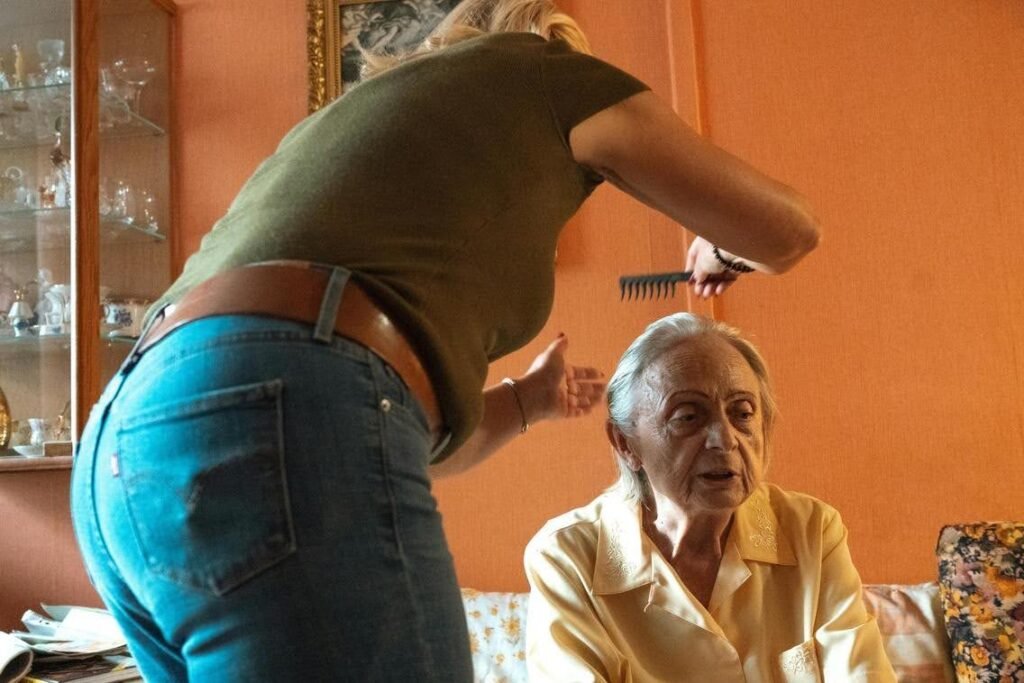
Changes in physical ability often become noticeable during activities that require coordination, balance, and flexibility. An older adult with arthritis may experience discomfort while buttoning shirts, fastening jewelry, or handling small grooming tools. Someone with limited shoulder mobility may struggle to brush their hair or put on clothing that requires reaching overhead. These difficulties can make familiar routines take significantly longer, sometimes leaving seniors frustrated before their day has even begun.
When exploring senior home care services, families should observe which daily activities have become challenging and how those difficulties affect their loved one’s routine. Ask whether certain movements cause pain, whether dressing requires frequent rest breaks, or whether grooming activities have become uncomfortable. Notice if your parent begins avoiding particular clothing, wearing the same outfit repeatedly, or neglecting grooming tasks they previously enjoyed. If these changes develop suddenly or involve significant pain, weakness, or loss of coordination, arrange an appropriate medical evaluation to identify potential underlying causes.
2. Understand How Professional Caregivers Assist With Dressing
Getting dressed involves several movements that can become difficult when an older adult experiences reduced strength, stiffness, or limited range of motion. Pulling clothing over the shoulders, fastening buttons, managing zippers, and putting on socks may require more physical effort than expected. Some seniors can complete most of these activities independently but need assistance with specific steps that cause discomfort or affect balance. Others may benefit from having clothing organized and prepared before beginning their morning routine.
A professional home care agency in Illinois may provide caregivers who assist with appropriate non-medical dressing activities according to an older adult’s individual needs. Caregivers can help organize clothing, provide assistance with difficult fasteners, and support familiar dressing routines while encouraging the senior to complete manageable tasks independently. Families should explain clothing preferences, physical limitations, and any movements that cause discomfort before services begin. If dressing requires complex physical assistance or involves medical equipment, consult a qualified healthcare professional and confirm that the caregiver is trained and authorized to provide the necessary support.
3. Maintain Personal Grooming and Hygiene With Appropriate Assistance
Personal grooming contributes to more than physical appearance because it can influence how an older adult feels about themselves throughout the day. Brushing hair, washing the face, maintaining oral hygiene, and changing into clean clothing are familiar activities that often provide a sense of normalcy and personal comfort. When these routines become difficult, seniors may begin skipping them rather than asking family members for assistance. Over time, inconsistent hygiene can contribute to discomfort, embarrassment, and concerns about personal well-being.
Professional personal care services in Illinois may help older adults with appropriate non-medical grooming, bathing, dressing, and other everyday hygiene responsibilities. Caregivers should respect personal preferences, explain each activity, and provide assistance in a way that protects the individual’s privacy. Families can help by sharing their loved one’s preferred grooming products, usual bathing schedule, and any physical limitations that affect personal care activities. When skin irritation, dental problems, persistent discomfort, or other medical concerns arise, caregivers and family members should seek guidance from an appropriate healthcare professional rather than attempting to manage these conditions independently.
4. Create Consistent Morning and Evening Routines
Daily routines can become more demanding when an older adult experiences fatigue, chronic pain, or difficulty organizing several activities in sequence. A senior may feel comfortable getting dressed but become exhausted after bathing, preparing breakfast, and completing household responsibilities. Others may have difficulty remembering the order of familiar activities, particularly when they are experiencing memory changes. Establishing a predictable schedule can make these responsibilities easier to manage while reducing unnecessary frustration.
When a senior also receives medication reminder services, families should consider how reminders fit into the overall daily schedule. Non-medical caregivers may provide authorized reminders according to an established medication routine, but they should not independently administer medications, adjust dosages, or make treatment decisions. Families should consult the prescribing clinician or pharmacist when medication instructions are complicated or when the older adult cannot safely manage prescriptions independently. Coordinating personal care, meals, household activities, and appropriate reminders can help create a more organized routine without overwhelming the senior with too many responsibilities at once.
5. Identify Which Daily Activities Require Additional Support
Not every older adult who struggles with dressing or grooming needs assistance throughout the entire day. Some seniors benefit from scheduled morning visits when bathing and dressing are most difficult, while others need help preparing for bed or completing household responsibilities. Families should consider how frequently assistance is required and whether the older adult can safely manage essential activities between visits. A practical assessment can help prevent unnecessary services while ensuring that important needs are not overlooked.
Checklist: Signs Your Aging Parent May Benefit From Daily Personal Care Assistance
Use this checklist to identify recurring difficulties and determine which activities may require additional support:
- Does your parent struggle to put on shirts, pants, socks, or shoes?
- Are buttons, zippers, or other clothing fasteners becoming difficult to manage?
- Does your loved one experience pain or stiffness while dressing?
- Is brushing hair or completing other grooming activities physically uncomfortable?
- Does your parent avoid bathing because of fatigue, mobility limitations, or fear of falling?
- Are personal hygiene routines taking significantly longer than before?
- Does your loved one frequently wear the same clothing because changing outfits feels difficult?
- Is maintaining balance while dressing or grooming becoming a concern?
- Does your parent need assistance organizing clothing or preparing personal care supplies?
- Are morning or evening routines becoming exhausting or frustrating?
- Does your loved one forget important steps in familiar daily activities?
- Would scheduled assistance help your parent maintain a more comfortable and consistent routine?
Families exploring senior home care services can use these observations to determine whether occasional assistance or a more regular schedule would be appropriate. Consider discussing persistent mobility difficulties with a healthcare professional, particularly when pain, balance problems, or reduced strength interfere with daily functioning. An occupational therapist may recommend practical strategies, adaptive clothing, or appropriate equipment that makes certain activities easier to complete. If your parent requires physical assistance beyond what non-medical caregivers can safely provide, seek an assessment of the appropriate level of support before arranging services.
6. Encourage Independence Instead of Taking Over Every Task
One concern many older adults have about receiving assistance is the possibility of losing control over their daily lives. A parent who has always selected their own clothing or maintained a particular grooming routine may feel uncomfortable when another person begins making those decisions. Families should recognize that needing help with certain physical activities does not mean an older adult has lost the ability to express preferences or participate in personal care. The goal of appropriate assistance should be to support the individual where necessary while preserving as much independence as safely possible.
When considering personal care services in Illinois, ask how caregivers encourage older adults to remain involved in activities they can still manage. A caregiver might prepare clothing and assist with difficult fasteners while allowing the senior to choose an outfit and complete easier steps independently. Similarly, someone who struggles to wash their hair may still be able to brush it, select grooming products, and participate in other familiar routines. Families should communicate these preferences clearly so that assistance remains respectful, individualized, and focused on maintaining the older adult’s confidence.
7. Choose a Caregiver Who Respects Personal Preferences and Daily Habits
Dressing and grooming are personal activities, and older adults may feel vulnerable when someone unfamiliar begins assisting with them. A senior who has managed their own routines for decades may need time to become comfortable accepting help from a professional caregiver. Some individuals prefer a quiet approach, while others appreciate conversation and reassurance during everyday activities. Families should consider these preferences when discussing caregiver compatibility and the type of assistance their loved one requires.
Ace home care services may be considered by Illinois families seeking non-medical assistance with dressing, grooming, bathing, meal preparation, companionship, and other appropriate daily responsibilities. During an initial consultation, explain which activities have become challenging and discuss your parent’s physical limitations, preferred routines, and comfort with receiving assistance. Ask about caregiver training, scheduling options, privacy practices, and how the provider determines whether a caregiver is suitable for the individual’s needs. Families should also understand how concerns can be communicated and whether adjustments can be made if the initial arrangement does not feel comfortable or appropriate.
8. Adjust Personal Care Assistance as Your Parent’s Needs Change
An older adult’s ability to manage daily routines may change gradually or fluctuate depending on health, energy levels, and physical comfort. Someone recovering from an illness may initially require additional dressing assistance but regain independence as strength improves. Another senior may experience increasing joint stiffness or mobility limitations that make previously manageable activities more difficult. Families should therefore review the caregiving arrangement periodically rather than assuming that the same level of assistance will always be necessary.
For families in Illinois, arranging appropriate non-medical assistance begins with identifying which dressing, grooming, and daily responsibilities have become difficult for their loved one. Consider scheduling a consultation to discuss caregiver qualifications, personal care needs, and available visit schedules that fit your parent’s preferences and daily routine. Continue encouraging independence whenever possible, and seek professional medical guidance when new symptoms, significant physical limitations, or safety concerns develop. If you’re noticing these signs, it may be time to explore professional support. Learn more about our home care services in Illinois or reach out for guidance.