
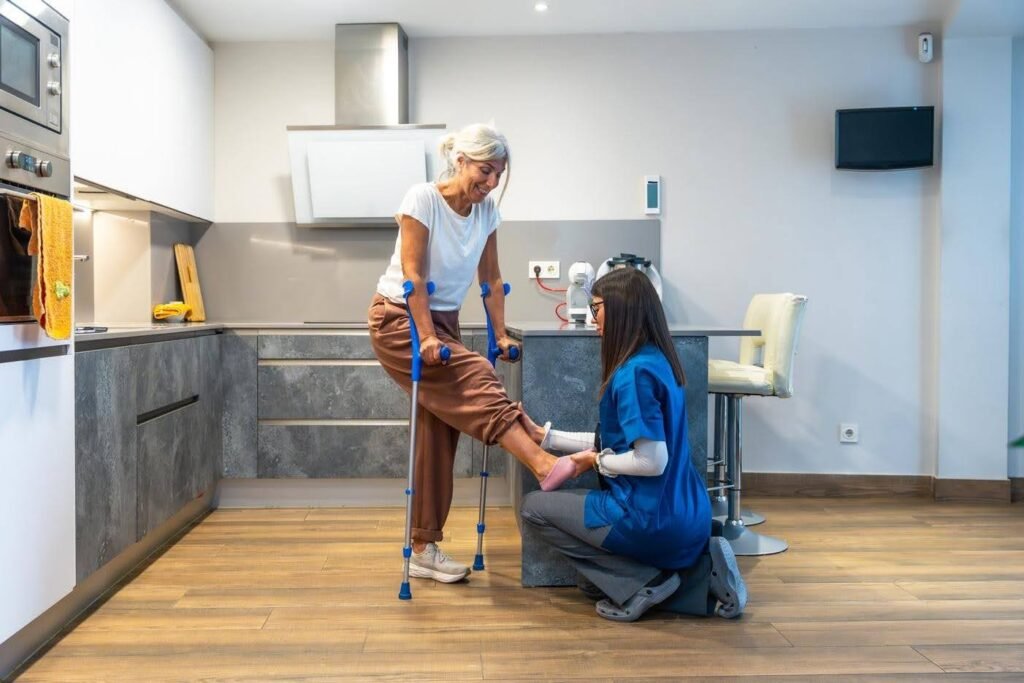
A fall can change an older adult’s daily routine in ways that families may not immediately expect. Your mother may return home after receiving medical attention but feel nervous about stepping into the shower, while your father may struggle to get dressed because bending or standing causes discomfort. Even when a fall does not result in a serious injury, the experience can leave an older adult feeling less confident about moving around the house independently. For families, the challenge is determining whether their loved one can safely manage everyday responsibilities during recovery or whether additional assistance would make daily life more manageable.
Personal care assistance may be worth considering when a senior recovering from a fall has difficulty bathing, dressing, grooming, or completing other essential activities without help. However, the need for assistance depends on several factors, including the nature of the injury, medical instructions, mobility limitations, and the older adult’s ability to manage safely between caregiver visits. Some seniors need temporary support while regaining strength, while others may require a longer arrangement because of existing health conditions or repeated falls. Understanding these differences can help families make thoughtful decisions that support recovery without unnecessarily limiting their parent’s independence.
1. Assess How the Fall Has Affected Your Parent’s Daily Abilities
The first step after a fall is understanding how the incident has changed your parent’s ability to perform familiar activities. An older adult who previously moved comfortably around the house may now experience pain when standing, difficulty bending, or hesitation when walking between rooms. These changes can interfere with everyday responsibilities such as getting dressed, preparing meals, and maintaining personal hygiene. Families should avoid assuming that a senior is ready to resume normal activities simply because they have returned home from a medical appointment or hospital visit.
When considering senior home care services, review the instructions provided by your parent’s healthcare professional and identify any restrictions that may affect daily activities. Ask whether your loved one can safely get out of bed, use the bathroom, change clothes, and move around the home without significant difficulty. If the fall has not been medically evaluated, arrange an appropriate assessment, particularly when pain, weakness, dizziness, or changes in mobility are present. Seek urgent medical attention for concerning symptoms such as a possible head injury, new confusion, severe pain, inability to bear weight, or other signs of serious injury.
2. Recognize When Family Assistance Is No Longer Enough
Family members often provide immediate support after an older adult experiences a fall, especially when the senior needs help returning to familiar routines. A daughter may assist with bathing before work, while a son may visit in the evening to prepare meals and organize household responsibilities. Although these efforts can be valuable, they may become difficult to maintain when recovery takes longer than expected. Families should consider whether their availability matches the times when their loved one actually needs assistance.
Before contacting a home care agency in Illinois, identify which activities require another person’s help and whether those responsibilities can be managed consistently by relatives. Consider whether your parent needs assistance during morning routines, after using the bathroom, or when preparing for bed. If family members are unavailable during essential activities, scheduled professional support may help address some of those gaps. However, when a senior cannot safely remain alone or requires continuous supervision, families should seek professional guidance about a more appropriate care arrangement rather than relying on occasional visits.
3. Determine Whether Bathing and Dressing Have Become Unsafe
Bathing and dressing can become particularly challenging after a fall because these activities often require balance, flexibility, and changes in body position. An older adult recovering from a hip, knee, or back injury may find it uncomfortable to bend down, lift a leg, or stand for extended periods. Even without a significant injury, fear of falling again may cause a senior to avoid showering or changing clothes independently. These concerns deserve attention because postponing essential personal care can affect comfort, hygiene, and emotional well-being.
Professional personal care services in Illinois may provide appropriate non-medical assistance with bathing, dressing, grooming, and other everyday responsibilities during recovery. Families should explain any movement restrictions, painful activities, or safety concerns identified by the healthcare team before arranging assistance. Caregivers should only perform tasks they are trained and authorized to provide, particularly when physical support or changes in position are involved. If your parent requires complex transfers, rehabilitation exercises, wound care, or other clinical services, consult qualified healthcare professionals to ensure those needs are addressed appropriately.
4. Review Medication Routines and Medical Instructions During Recovery
A fall may result in changes to an older adult’s treatment plan, particularly when injuries, pain, or underlying medical conditions require further attention. Some seniors receive new prescriptions or instructions that differ from their usual routines, which can become confusing when they are already tired or uncomfortable. Others may experience dizziness, fatigue, or balance difficulties that could be related to existing medications or health conditions. Families should make sure that the healthcare team is aware of these concerns, especially when medication effects may have contributed to the original fall.
If your parent receives medication reminder services, discuss whether the existing reminder arrangement remains appropriate after the incident. Non-medical caregivers may provide authorized reminders according to established instructions, but they should not independently administer medications, change dosages, or make treatment decisions. Families should ask the prescribing clinician or pharmacist to review medication-related concerns, including dizziness, drowsiness, or confusion that may affect safety. Clear communication about medication schedules and medical instructions can help families coordinate daily assistance while keeping clinical responsibilities with qualified healthcare professionals.
5. Identify Signs That Your Parent Needs Additional Help at Home
Not every senior recovering from a fall requires the same amount of assistance. Some older adults can manage most activities independently but need help with physically demanding tasks, while others experience limitations that affect several parts of their daily routine. Families should observe how their parent functions throughout the day rather than focusing only on whether they can walk a short distance. A senior who appears comfortable during a brief visit may still struggle with bathing, preparing meals, or getting ready for bed.
Checklist: Signs a Senior Recovering From a Fall May Need Personal Care Assistance
Use this checklist to identify practical concerns and determine whether additional support should be discussed:
- Does your parent struggle to get dressed because of pain, stiffness, or limited movement?
- Are bathing and grooming activities becoming difficult or uncomfortable?
- Does your loved one avoid using the shower because of fear of another fall?
- Is standing for extended periods causing fatigue or discomfort?
- Does your parent have difficulty reaching clothing, toiletries, or frequently used household items?
- Are meals being skipped because standing in the kitchen has become difficult?
- Does your loved one hesitate to move around the home without someone nearby?
- Have there been additional falls, near falls, or episodes of dizziness?
- Does your parent require help with bathroom routines or getting ready for bed?
- Are family members struggling to provide assistance at the necessary times?
- Has fear of falling caused your loved one to withdraw from familiar activities?
- Would scheduled caregiving visits help your parent complete essential daily responsibilities more comfortably?
Families exploring senior home care services can use these observations to prepare for conversations with healthcare professionals and potential care providers. The checklist does not replace a medical assessment, and some difficulties may require physical therapy, occupational therapy, or another form of clinical support rather than ordinary caregiving assistance. Ask the healthcare team whether your parent has activity restrictions and whether an evaluation of walking, balance, or transfer safety is appropriate. The goal is to identify a level of assistance that addresses daily challenges without creating additional risks during recovery.
6. Support Independence Without Encouraging Unsafe Activities
Recovering from a fall can be emotionally difficult for an older adult who has always managed daily responsibilities independently. Some seniors become frustrated when they need help with activities they previously completed without assistance, while others become so concerned about falling again that they avoid moving unnecessarily. Both reactions can affect confidence and participation in everyday routines. Families should recognize these feelings while following medical guidance about safe activity and physical limitations.
When evaluating personal care services in Illinois, ask how caregivers encourage appropriate independence while respecting recovery-related restrictions. A caregiver may assist with organizing clothing, preparing personal care supplies, or completing household tasks that have become physically demanding. At the same time, the older adult should be encouraged to participate in activities they can safely perform within the limits established by their healthcare team. Families should avoid asking non-medical caregivers to supervise rehabilitation exercises or physically demanding transfers unless those activities fall within their training, authorization, and the individual’s care plan.
7. Choose a Caregiver Who Understands Recovery-Related Limitations
A senior recovering from a fall may need a different approach to daily assistance than someone receiving routine household support. Pain, fatigue, anxiety, and temporary movement restrictions can influence how an older adult responds to personal care activities. A caregiver who communicates patiently and respects the individual’s pace may help make daily routines feel less overwhelming. Families should therefore discuss recovery-related concerns in detail rather than assuming that every caregiving arrangement will meet the same needs.
Ace home care services may be considered by Illinois families seeking non-medical assistance with personal care, meal preparation, companionship, light housekeeping, and other appropriate daily responsibilities. During an initial consultation, explain the circumstances of your parent’s fall, any medically established restrictions, and the activities that have become difficult. Ask about caregiver training, scheduling availability, communication procedures, and how the provider determines whether its services are suitable for someone recovering from an injury. Families should also confirm how concerns about worsening mobility, pain, or changes in daily functioning would be communicated to the appropriate family members.
8. Adjust the Care Plan as Your Parent’s Recovery Progresses
Recovery after a fall is not always predictable, and an older adult’s need for assistance may change over time. Someone who initially requires help dressing and preparing meals may gradually regain the ability to complete those activities independently. Another senior may continue experiencing mobility limitations or fear of falling that requires further evaluation and a different support arrangement. Families should review daily functioning regularly and avoid assuming that the original caregiving schedule will remain appropriate throughout recovery.
For families in Illinois, arranging personal care assistance should begin with medical guidance, a clear understanding of daily limitations, and an honest assessment of what relatives can safely provide. Consider scheduling a consultation with Ace Home Care to discuss non-medical caregiving options, personal care routines, and visit schedules that may complement your parent’s recovery plan. Continue involving your loved one in decisions whenever possible, and consult qualified healthcare professionals when new symptoms, repeated falls, or significant mobility concerns arise. If you’re noticing these signs, it may be time to explore professional support. Learn more about our home care services in Illinois or reach out for guidance.