It can be difficult to notice when a loved one slowly loses interest in the things they once enjoyed. A favorite hobby, a daily walk, or even watching a favorite show may no longer bring the same excitement. At first, these changes can seem small or temporary, but over time, they can signal something deeper. Families often feel concerned but unsure whether this is simply part of aging or something that needs attention.
The truth is that fading interest in activities is often connected to changes in physical health, emotional well-being, or daily routine. These shifts do not always happen suddenly, which is why they can be easy to overlook. Understanding why this happens helps families respond with empathy rather than frustration. It also creates an opportunity to gently reintroduce engagement in a way that feels natural and supportive.
Understanding Changes Through Home Senior Care Services
As seniors age, their energy levels, mobility, and motivation can change in ways that affect how they engage with activities. Through home senior care services, caregivers often observe how these changes influence daily behavior over time. A hobby that once felt enjoyable may now feel tiring or difficult to maintain. This does not mean the interest is gone, but that the effort required has increased.
Recognizing this distinction is important because it shifts the focus from “loss of interest” to “need for support.” When activities are adjusted to match current abilities, seniors are more likely to participate again. Small changes can make a big difference in how enjoyable something feels. With the right approach, favorite activities can still be part of daily life.
Signs That Favorite Activities Are Starting to Fade
Sometimes the shift is subtle, and families are not sure if it is something to worry about or just a temporary change. Paying attention to patterns over time can help you understand what your loved one is experiencing. These signs often appear gradually rather than all at once, which is why they can be easy to miss at first. Recognizing them early allows you to respond with support before the situation becomes more difficult.
You may begin to notice:
- Less interest in hobbies they once enjoyed
- Spending more time alone without engagement
- Turning down invitations or avoiding activities
- Saying they feel too tired or are not in the mood
- Starting activities but not finishing them
These changes do not always mean the interest is gone, but they often signal that something is making participation harder. When families recognize these signs, they can start adjusting routines and offering support in a more thoughtful way. This helps bring back a sense of comfort and enjoyment without adding pressure.
Physical Changes That Affect Daily Engagement
Physical limitations are one of the most common reasons activities begin to fade. Reduced strength, balance, or coordination can make certain hobbies feel uncomfortable or unsafe. Even simple activities like walking or gardening may require more effort than before. Over time, this can lead to avoidance.
Families may notice hesitation or excuses when certain activities are suggested. These responses are often tied to physical discomfort rather than lack of interest. Understanding this helps families respond with patience and support. Adjusting activities to fit current abilities can help restore confidence.
Emotional and Mental Health Factors
Emotional changes can also play a significant role in reduced engagement. Feelings of loneliness, anxiety, or low mood can make it harder for seniors to feel motivated. These feelings are not always expressed directly, which makes them easy to miss. Instead, they may show up as withdrawal or lack of enthusiasm.
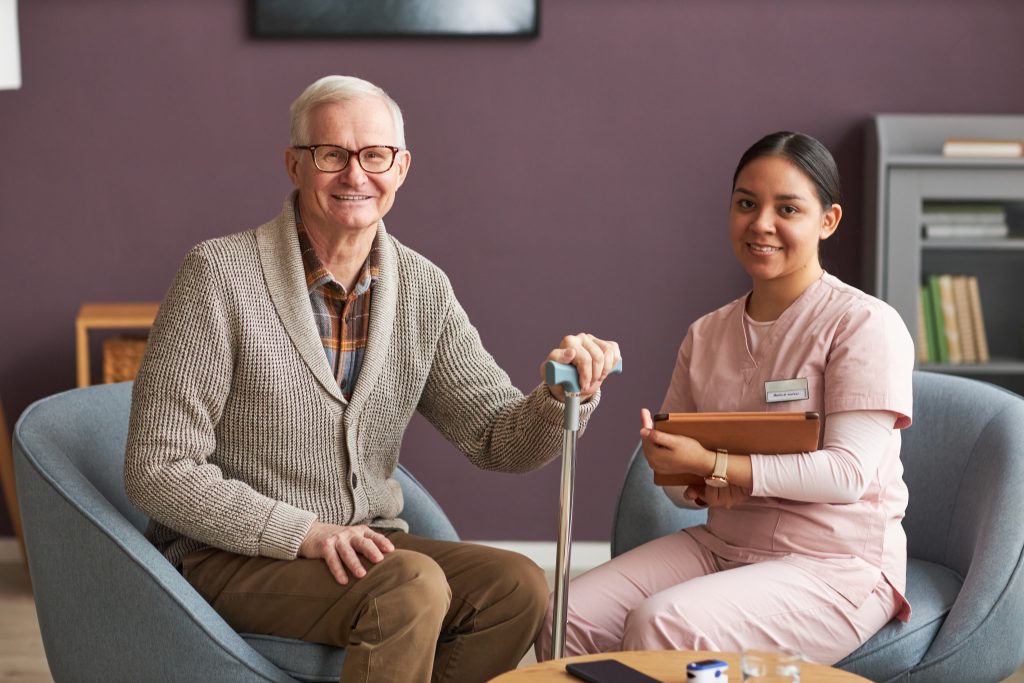
With elderly companion care, caregivers provide consistent interaction that helps improve emotional well-being. Having someone to talk to and share time with can make activities feel more enjoyable again. This connection often brings back a sense of purpose. Emotional support is just as important as physical assistance.
The Role of Routine in Staying Engaged
A consistent routine helps seniors feel more comfortable and confident in their daily lives. When routines become disrupted, it can lead to uncertainty and reduced motivation. Activities that were once part of the day may slowly disappear without a clear reason. This can create long periods of inactivity.
Through senior home care services, caregivers help reintroduce structure in a way that feels manageable. This includes scheduling time for activities and encouraging participation without pressure. A steady routine makes it easier for seniors to stay engaged. It also provides a sense of stability.
How Companion Care Services Bring Activities Back
One of the most effective ways to reintroduce activities is through shared experiences. With companion care services, caregivers actively participate in activities alongside seniors. This makes tasks feel less like a chore and more like a social experience. Having someone present often increases willingness to engage.
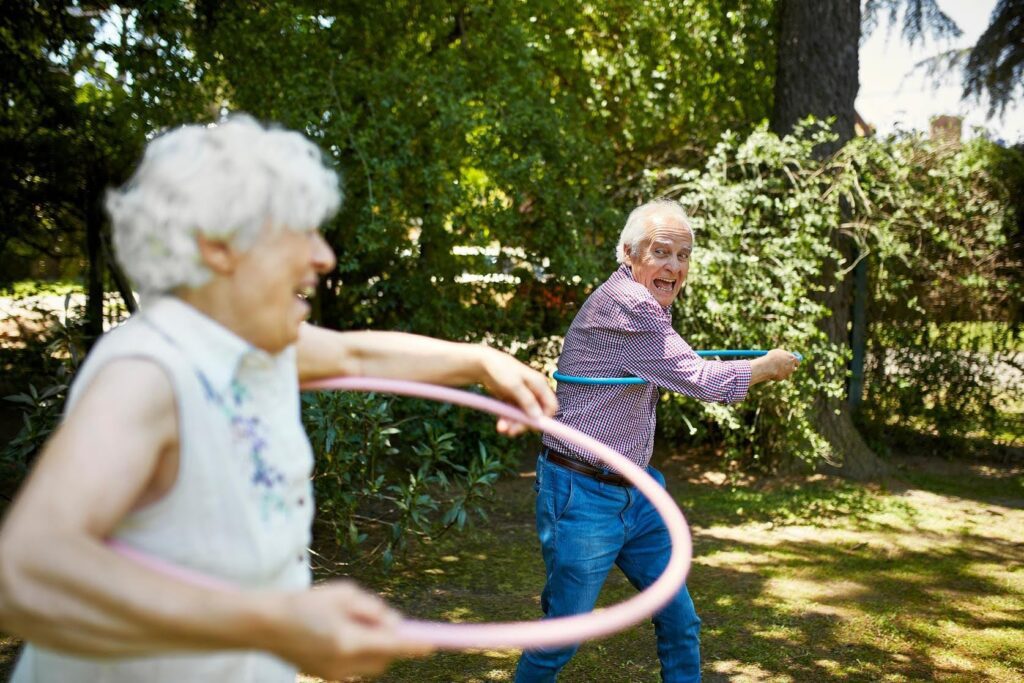
Simple activities such as puzzles, music, or light exercise can become enjoyable again when shared. Caregivers also adapt activities to match the senior’s current abilities. This ensures that participation feels achievable rather than overwhelming. Over time, this support can help rebuild interest.
When to Consider Elderly Companion Care Services
There are times when additional support becomes necessary to maintain engagement. If a loved one consistently avoids activities or spends most of their time alone, it may be a sign that help is needed. These patterns can affect both emotional and physical health over time. Recognizing these changes early can make a meaningful difference.
With elderly companion care services, families can introduce support in a way that feels natural and respectful. Caregivers provide encouragement without forcing participation. This approach helps seniors feel comfortable and supported. It also allows activities to return gradually.
The Value of Support from a Home Care Agency
A reliable home care agency can help families understand why activities are fading and what steps to take next. Care professionals are trained to observe patterns and recommend practical solutions. This guidance helps families avoid guesswork and make more informed decisions. It also provides reassurance during uncertain situations.
Caregivers work closely with seniors to identify what still brings them joy. They then build routines that include those activities in a manageable way. This personalized approach helps maintain engagement. It also improves the overall quality of life.
Reconnecting Through Elderly Companion Care in Illinois
For families exploring elderly companion care in Illinois, local support can make a significant difference in daily life. Having access to consistent, in-home companionship allows seniors to stay engaged without leaving their familiar environment. This type of care focuses on connection, comfort, and meaningful interaction. It helps bring a sense of normalcy back into everyday routines.
Care can be adjusted over time based on changing needs and preferences. This flexibility ensures that activities remain appropriate and enjoyable. It also helps families feel confident in the support being provided. Local care makes it easier to stay consistent.
Helping Your Loved One Stay Engaged and Connected
When favorite activities begin to fade, it is often a sign that support is needed, not that interest is gone. With the right approach, seniors can reconnect with the things they once enjoyed in a way that feels comfortable and manageable. Families play an important role in recognizing these changes and responding with patience and understanding. Small steps can lead to meaningful improvements.
For those exploring home care services in Illinois, support can help restore both engagement and confidence. Encouraging participation, providing companionship, and maintaining routines all contribute to a better daily experience. If you’re noticing these signs, it may be time to explore professional support. Learn more about Ace Home Care or reach out for guidance.