
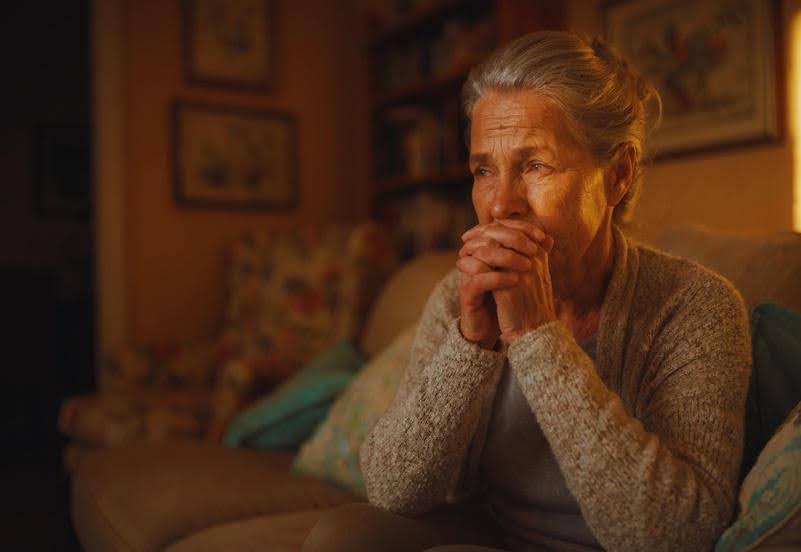
Yes, a senior can still be capable of living alone and benefit from additional help at home. Independence is not an all-or-nothing ability, and needing assistance with a few parts of the day does not automatically mean an older adult can no longer manage their own household. A senior may still make decisions, communicate clearly, move around the home, and enjoy familiar routines while finding certain activities increasingly tiring or difficult. Recognizing these smaller changes early can help families provide appropriate support without unnecessarily taking over.
Families sometimes wait until a major problem occurs because they assume professional help is only appropriate when someone can no longer live independently. In reality, assistance can be focused on the specific activities that have become challenging while the senior continues handling everything else. The more useful question is not simply whether someone can live alone, but whether they can manage important daily routines safely and consistently without becoming exhausted or relying heavily on last-minute family help. Looking at everyday life in this way gives families a more realistic picture of what support may be useful.
1. Living Alone Does Not Mean Doing Everything Alone
Many older adults who live alone continue managing most aspects of their lives successfully. They may handle finances, make appointments, maintain friendships, choose their meals, and decide how they want to spend their days. At the same time, physically demanding activities such as carrying groceries, changing bedding, cleaning bathrooms, or standing long enough to prepare meals may become harder. Needing assistance with these tasks does not erase the independence that remains in other areas.
Families exploring senior home care services can begin by identifying the difference between what a senior can do independently and what has become unnecessarily difficult. Ask your parent which activities require more effort than they did six months or a year ago rather than assuming you already know the answer. Small adjustments or occasional assistance may be enough when difficulties are limited to a few tasks. Starting with actual needs helps preserve the senior’s control over the routines they can still manage comfortably.
2. Small Daily Difficulties Can Add Up Over Time
Changes in independence are often gradual rather than dramatic. A senior may stop carrying laundry upstairs, choose simpler meals because cooking is tiring, or postpone household chores until a relative visits. None of these changes alone necessarily means that living alone is unsafe. Together, however, they can show that maintaining the same lifestyle is requiring more physical effort than it once did.
A home care agency in Illinois may be considered when recurring non-medical tasks are becoming difficult to complete consistently. Families can look at how often they are stepping in to shop, clean, prepare meals, provide transportation, or handle other everyday responsibilities. If relatives are regularly filling several gaps, the senior may already be receiving informal care even though everyone still describes them as fully independent. Recognizing this can help the family build a more dependable plan before someone becomes overwhelmed.
3. Personal Care Can Become Difficult Before Independent Living Does
Bathing, dressing, grooming, and other personal routines can become challenging even when a senior is managing the rest of the household reasonably well. Arthritis may make buttons difficult, limited flexibility can make dressing more tiring, and balance concerns may cause someone to avoid the shower. Because these activities are private, older adults do not always tell their children when something has changed. Families may first notice different clothing habits, less frequent bathing, or changes in grooming.
Professional personal care services in Illinois can focus on the specific part of a routine where assistance is needed. Someone might need help preparing for a shower while remaining able to complete other grooming tasks independently. This type of targeted support allows the senior to continue participating in their own care rather than having the entire routine taken over. Asking what feels difficult is often more respectful and informative than assuming that a change in appearance means the person cannot care for themselves.
4. Medication Routines May Need Structure Even When Everything Else Is Going Well
A senior can be independent in most areas and still have difficulty keeping track of medications. This is especially understandable when several prescriptions have different schedules or instructions change after a medical appointment or hospital stay. Family members may begin calling several times a day to check whether an established dose was remembered. Over time, those calls can become stressful for both the senior and the relatives trying to help.
Non-medical medication reminder services can provide structure around a medication schedule that has already been established by qualified healthcare professionals. Keeping an updated medication list and using an appropriate organizational system may also make the routine easier to follow. Questions about missed doses, side effects, interactions, or changes to prescriptions should be directed to a physician, pharmacist, or other qualified professional. The need for reminders does not by itself determine whether someone can live alone, but it may identify one area where additional support would be useful.
5. Look for Patterns That Suggest More Help Would Be Useful
Families do not need to treat every forgotten chore or difficult day as evidence that a parent needs care. Everyone occasionally leaves dishes unfinished, eats a simple dinner, or forgets something on a busy day. What matters more is whether changes are happening repeatedly and beginning to affect several areas of everyday life. Comparing current routines with what was normal for your parent in the past can provide useful context.
Checklist for Families
Consider whether you have noticed:
- Meals becoming less regular because cooking feels difficult
- Groceries frequently running low between family visits
- Bathing, dressing, or grooming becoming harder
- Laundry, dishes, mail, or other household tasks accumulating
- Established medication routines becoming difficult to remember
- Increasing difficulty walking around the home
- Frequent requests for help with errands or appointments
- Less participation in hobbies or social activities
- Relatives making more unplanned visits to complete essential tasks
- Several small difficulties becoming more frequent over time
Elderly companion care services may be worth discussing when several of these patterns continue and the senior would benefit from dependable assistance. Families should also distinguish daily living difficulties from medical concerns that require professional evaluation. Sudden confusion, new weakness, falls, significant appetite changes, or other new health concerns should be discussed with an appropriate healthcare professional. A checklist can help organize observations, but it should not be used to diagnose the reason behind a change.
6. Family Help Can Hide How Much Support a Senior Already Needs
Sometimes an older adult appears completely independent because relatives have quietly built their schedules around providing assistance. One child brings groceries every weekend, another handles transportation, and someone stops by regularly to take care of household tasks. Because these activities have become part of the family routine, no one necessarily thinks of them as caregiving. The situation may only become obvious when a relative becomes unavailable and several important tasks suddenly go unfinished.
Personal care health services for seniors may help fill appropriate gaps when family members cannot consistently provide the level of assistance an older adult needs. Keep track of what relatives actually do during a typical week, including errands, household help, transportation, personal routines, and frequent reminder calls. Then identify which responsibilities family members can realistically continue without sacrificing their own work, health, or family commitments. This provides a more accurate picture of how independently the senior is currently living.
7. Home Care Can Be Added Without Taking Over the Senior’s Life
Receiving assistance does not mean that someone needs another person in the home throughout the entire day. A senior may benefit from a few scheduled visits each week focused on the activities that create the most difficulty. The rest of the week can continue according to the person’s normal routine, preferences, and abilities. This gradual approach may also feel more comfortable for someone who is hesitant about accepting help.
Ace home care services can be considered around specific non-medical needs rather than treating age alone as the reason for assistance. Families can involve the senior in decisions about which tasks receive support, what time visits occur, and which routines they want to continue handling themselves. Review the arrangement periodically because needs can increase, decrease, or simply change. Keeping the plan flexible helps ensure that support continues to protect independence rather than unnecessarily replacing it.
8. Focus on Making Independent Living More Sustainable
The goal of additional help should not automatically be to prepare a senior to give up living alone. In many situations, the more immediate goal is to make the current living arrangement easier to manage. Assistance with a few difficult routines may reduce physical strain, give family members greater consistency, and allow the older adult to spend more energy on activities they value. Support can therefore become part of independent living rather than evidence that independence has ended.
For Illinois families, begin with an honest look at what is working well and where recurring difficulties are developing. Talk with your parents about the tasks they would actually welcome help with, address medical concerns with the appropriate healthcare professionals, and build additional support around the abilities that remain. A senior does not have to reach a crisis or lose the ability to live alone before the family considers practical assistance. If you’re noticing these signs, it may be time to explore professional support. Learn more about our home care services in Illinois or reach out for guidance.