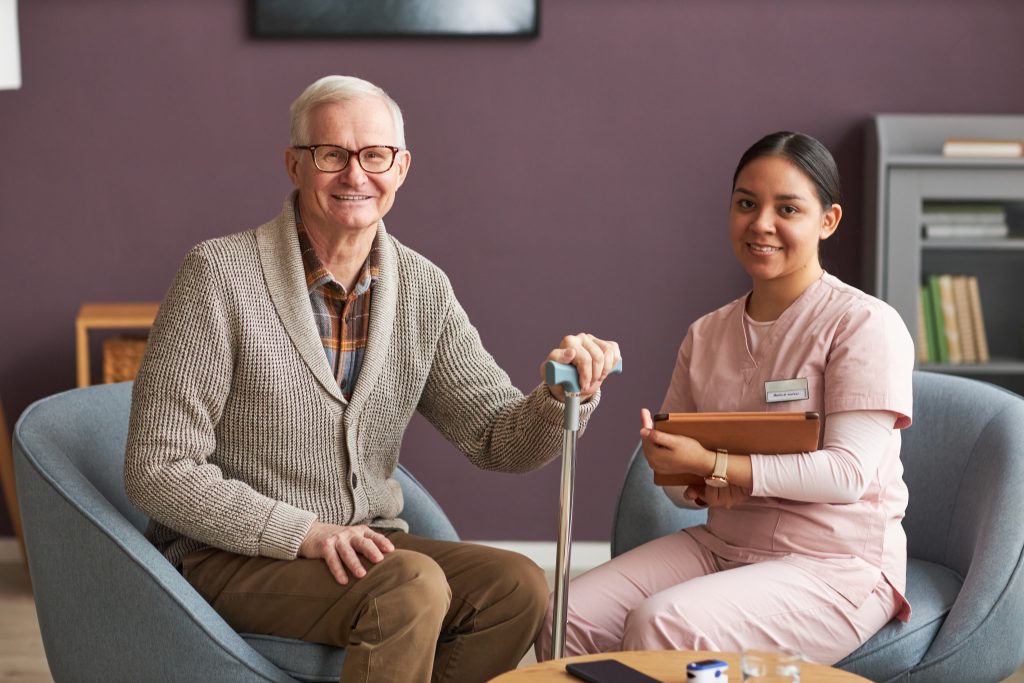

Living alone later in life can offer independence and privacy, but it also introduces daily challenges that are easy to overlook until they begin to affect safety and well-being. Managing appointments, household tasks, errands, and personal routines requires consistent energy and organization, which can become harder to maintain with age. When these responsibilities start to feel overwhelming, stress and fatigue can quietly build. Home management support helps maintain stability by addressing everyday needs before they become serious concerns.
Rather than focusing only on medical care, home management support looks at the full picture of daily living. It provides structure, coordination, and assistance with tasks that keep life running smoothly. This type of support allows aging adults to remain independent while receiving help where it truly matters. When daily life feels manageable, emotional and physical health often improve as well.
Why Home Management Becomes More Important With Age
As people age, tasks that once felt routine can begin to require more time, effort, and mental focus than before. Managing schedules, household upkeep, and personal responsibilities may slowly become physically tiring and mentally draining, even when overall health appears stable. These changes often happen gradually, which makes them easy to dismiss or underestimate in the early stages. Without structured support, small difficulties can quietly pile up and begin affecting safety, consistency, and overall quality of life.
Home management support steps in before daily demands reach a breaking point. It focuses on maintaining order, predictability, and safety across everyday routines that keep life running smoothly. By reducing the mental load associated with planning and follow-through, stress levels naturally decrease. This type of support is preventative rather than reactive, which makes it especially valuable for aging adults who want to remain independent while living alone.
What Concierge Home Care Really Means
Concierge-style care focuses on providing personalized, flexible support that adapts to how a person already lives, rather than forcing them into a rigid system. It takes into account individual routines, preferences, priorities, and energy levels when offering assistance. This type of care emphasizes coordination, organization, and attention to detail because these elements often determine whether daily life feels manageable or overwhelming. The goal is to simplify everyday responsibilities without taking control or independence away.
Providers offering concierge home care for seniors act as trusted support partners instead of task-only service providers. They help with planning, reminders, coordination, and follow-through for daily responsibilities that require consistency. This approach reduces mental clutter and decision fatigue, which can build up over time when someone manages everything alone. Personalized support creates a stronger sense of security, clarity, and control in daily life.
The Role of Coordination in Aging at Home
Coordination becomes increasingly important as responsibilities overlap and require careful timing. Medical appointments, household services, personal errands, and ongoing obligations all demand planning, communication, and follow-up. Without a clear system in place, important tasks may be delayed, forgotten, or handled inconsistently. These gaps can quietly create stress, confusion, and unnecessary risk.
A healthcare concierge service helps manage these moving parts with structure and consistency. Support includes scheduling assistance, timely reminders, and communication coordination with service providers. This ensures responsibilities are handled smoothly, and nothing falls through the cracks. Organized coordination restores confidence and creates a stronger sense of control over daily life.
Areas Where Home Management Support Helps Most
Home management support focuses on the areas that affect daily comfort and safety the most. These areas are often overlooked until they become problematic. Addressing them early helps prevent disruption and stress. Consistent assistance keeps daily life balanced.
Common Areas Supported Through Concierge Home Services
- Appointment scheduling and reminders
- Errand coordination and transportation planning
- Household organization and task oversight
- Communication with service providers
- Routine check-ins for daily needs
- Support with paperwork and planning
Why Local Concierge Support Makes a Difference
Local support offers familiarity, responsiveness, and understanding of community resources. Care providers who know the area can coordinate services more efficiently. This reduces delays and confusion. Local presence also builds trust.
A concierge home service in Illinois offers personalized support that reflects local needs and systems. Providers understand regional healthcare processes and service networks. This familiarity improves coordination and reliability. Local care feels more connected and responsive.
Choosing the Right Home Management Support
Choosing the right home management support requires looking far beyond whether a provider can complete tasks on a checklist. Long-term support works best when the provider understands how aging affects energy levels, memory, motivation, and daily decision-making over time. Experience matters because needs rarely stay the same, and support must adapt gradually rather than react suddenly. When care is well-matched, it feels steady, predictable, and reassuring instead of intrusive or inconsistent.
Providers offering home care services of Illinois should clearly explain how concierge-style support fits into the bigger picture of daily living. Transparency around responsibilities, communication, and boundaries helps prevent confusion and unmet expectations later on. A thoughtful guide for choosing the best care includes evaluating how personalized the support is and how responsive the provider remains as needs evolve. The right match creates long-term stability by reducing stress rather than adding another layer of management.
How Home Care Integrates Seamlessly With Concierge Support
Concierge support is most effective when it works alongside broader home care services rather than operating in isolation. Daily management tasks, personal care needs, and household coordination often overlap, and separating them can create gaps or miscommunication. When services are aligned, support feels intentional instead of fragmented. This integration helps maintain consistency across all areas of daily life.
Teams providing senior home health care services in Illinois often coordinate closely with concierge support to ensure routines remain stable and predictable. Communication between services allows small concerns to be addressed before they grow into larger problems. When care providers share information and expectations, daily life feels smoother and less stressful. Integrated support allows aging adults to remain safely at home while maintaining dignity and control.
Support That Makes Living Alone Feel Safer and Easier
Managing daily life alone does not have to feel overwhelming or uncertain. Ace Home Care offers personalized concierge home care for seniors alongside trusted home care services in Illinois, helping aging adults stay organized, supported, and confident at home. Our local team understands how to provide assistance that respects independence while reducing daily stress.
Contact Ace Home Care today to learn how our concierge and home management support services can help create stability, comfort, and peace of mind for aging adults living alone across Illinois.
Frequently Asked Questions About Home Management Support for Seniors
What is home management support for seniors living alone? ▾
Home management support helps aging adults handle the daily logistics of living independently — from scheduling medical appointments and coordinating errands to organizing household tasks, managing paperwork, and communicating with service providers. It takes a concierge-style approach, providing personalized, flexible assistance that reduces the mental and physical burden of managing a household alone.
Why do seniors living alone need help with home management? ▾
Tasks that once felt routine begin to require more time, effort, and mental focus as we age. Managing overlapping appointments, keeping up with household maintenance, handling bills and paperwork, and coordinating transportation can become overwhelming. Without support, small missed tasks can snowball into serious safety or health concerns. Home management prevents these gaps before they become problems.
What specific tasks does home management support include? ▾
Home management support typically includes appointment scheduling and reminders, errand coordination and transportation planning, household organization and task oversight, communication with doctors and service providers, daily check-ins for safety and well-being, and assistance with paperwork and bills. The scope is tailored to each individual’s specific needs and adjusted as those needs evolve.
How is home management different from personal care services? ▾
Personal care focuses on physical assistance with bathing, dressing, grooming, and mobility. Home management focuses on the organizational and logistical side of daily life — scheduling, coordination, errands, and household oversight. Both services complement each other, and the best care plans integrate home management with personal care to ensure nothing falls through the cracks.
Why does choosing a local home management provider matter? ▾
Local providers bring familiarity with community resources, regional healthcare systems, and nearby service options that improve the quality of coordination. They typically offer faster response times, better understanding of local transportation and errand logistics, and stronger relationships with area medical providers. This community knowledge translates to more efficient and reliable support.
How do I know when a senior needs home management support? ▾
Warning signs include missed or forgotten appointments, unpaid bills or accumulated mail, a decline in household cleanliness or organization, difficulty coordinating transportation, increased stress or anxiety about managing daily responsibilities, and withdrawing from activities due to feeling overwhelmed. If routine tasks are consistently slipping, it is time to explore professional home management support before small issues become serious concerns.