
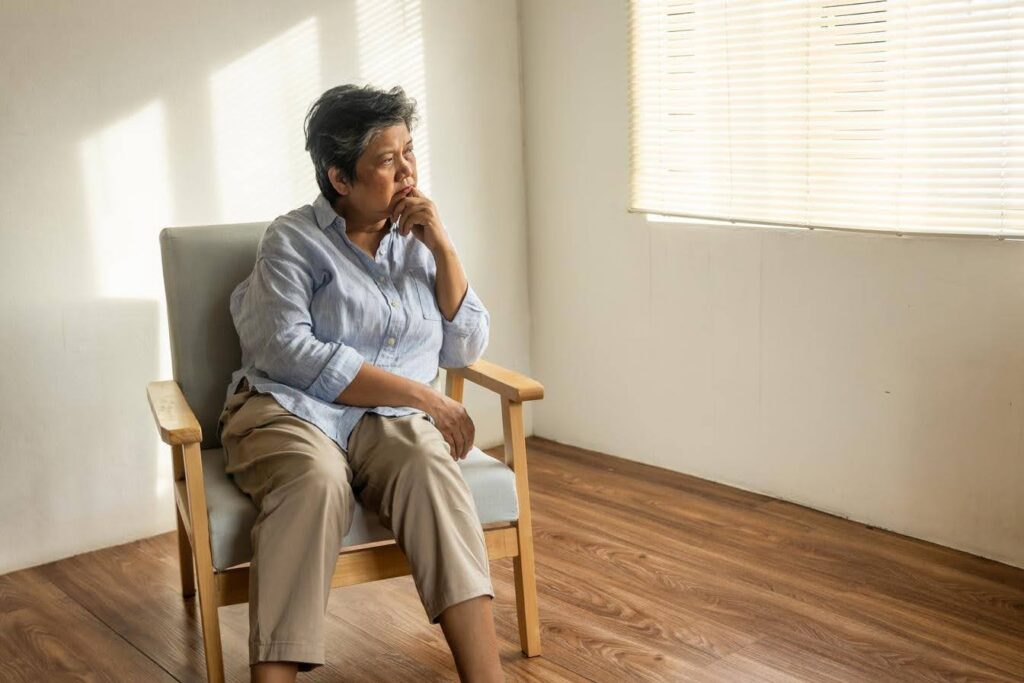
When an aging parent lives alone, one of the hardest questions for adult children is how often they should check in. Calling too frequently can make a parent feel watched, while checking too little can leave families worried that an important change will go unnoticed. There is no universal schedule that works for every older adult because health, mobility, memory, daily routines, social connections, and access to nearby support all matter. The better question is whether the current frequency of contact gives the family enough information to know that essential daily needs are still being managed.
For a healthy and independent senior, a regular phone call combined with planned visits may provide enough connection and reassurance. Someone recovering from an illness, experiencing mobility changes, or struggling with everyday activities may benefit from more frequent contact. Families should also remember that the need for check-ins can change gradually, so a routine that worked six months ago may no longer be appropriate today. Paying attention to changes in everyday life can help families increase support before an emergency forces the decision.
1. Base Check-Ins on Your Parent’s Abilities, Not Just Their Age
Age alone does not determine how frequently someone needs to be checked on. One person in their eighties may independently prepare meals, manage appointments, maintain friendships, and handle household responsibilities, while someone younger may have physical limitations that make living alone more complicated. Families should focus on what their parent can consistently manage rather than assuming that reaching a certain age automatically requires daily supervision. This approach respects independence while keeping attention on practical needs.
When considering aging care services, families can look at several areas of daily life, including mobility, personal hygiene, meals, household upkeep, memory, and social activity. Ask whether your parent can safely complete important routines without becoming exhausted or regularly relying on last-minute assistance. It can also help to compare current abilities with how they were functioning several months earlier. A noticeable decline in several areas may be a stronger reason to increase check-ins than age itself.
2. Create a Predictable Check-In Routine
A predictable routine can be more helpful than calling at random throughout the day. For example, families might agree on a morning phone call, an evening message, or certain days for in-person visits depending on the senior’s needs and preferences. Regular contact makes it easier to recognize when something is unusual because everyone knows what the normal routine looks like. It also allows the older adult to anticipate contact without feeling as though family members are constantly monitoring them.
If relatives live far away or cannot check in consistently, a home care agency in Illinois may provide another layer of non-medical support. Family contact should still remain personal rather than becoming entirely focused on whether chores and responsibilities were completed. Ask about a television program, a neighbor, a hobby, or plans for the week alongside practical questions about daily routines. Check-ins are most meaningful when they maintain the parent-child relationship rather than feeling like an inspection.
3. Pay Attention to Meals and What Is Actually in the Kitchen
A senior may say they are eating well while quietly simplifying meals because shopping and cooking have become difficult. During visits, families can look for spoiled groceries, an unusually empty refrigerator, unopened food, or an increasing reliance on snacks and convenience foods. These observations should not be used to criticize what a parent eats, but they can reveal practical barriers that may not come up during a phone conversation. Reduced strength, poor mobility, fatigue, or difficulty shopping can all affect how regularly someone prepares meals.
Professional senior home care services can support everyday routines when living alone begins making regular meals or household activities harder to maintain. Families can also ask specific questions such as what their parent prepared for dinner rather than simply asking whether they have eaten. Significant appetite changes, unexplained weight changes, or difficulty chewing or swallowing deserve discussion with an appropriate healthcare professional. Looking beyond a simple “yes” or “no” can provide a more accurate understanding of how well the senior is managing.
4. Medication Routines May Require More Frequent Contact
Medication schedules can influence how often families need to check in, particularly when an older adult takes several prescriptions at different times. A parent may generally be independent but occasionally forget whether a dose was taken, overlook a refill, or become confused after a prescription changes. These situations can become harder to recognize when family members only visit occasionally. A consistent routine makes it easier to notice when medication management is becoming stressful.
Non-medical medication reminder services may provide useful structure when the medication plan has already been established by qualified healthcare professionals. Families can also keep an updated medication list and encourage their parent to use an organizational system that works for them. Questions about missed doses, side effects, interactions, or dosage changes should be directed to a physician, pharmacist, or other qualified provider. Reminder support can reinforce an established routine but should never replace clinical medication management.
5. Know Which Changes May Mean Check-Ins Should Increase
The frequency of contact should not remain fixed when a parent’s circumstances change. A recent hospital stay, new mobility difficulty, loss of a spouse, worsening vision, increased forgetfulness, or reduced social activity may all affect how comfortably someone manages alone. Families should look for patterns rather than treating one unusual day as proof that independence is no longer possible. Several recurring changes are more useful when deciding whether additional support is appropriate.
Use this practical checklist when reviewing the current check-in routine:
- Phone calls or messages are frequently unanswered without explanation
- Meals appear to be skipped or groceries are regularly spoiling
- Medications or appointments are increasingly forgotten
- Clothing, bathing, or grooming routines have noticeably changed
- Laundry, dishes, mail, or household tasks are accumulating
- Walking appears slower, less stable, or more tiring
- Your parent has stopped participating in familiar social activities
- They seem unusually confused, withdrawn, or overwhelmed
- Family members are making more unplanned visits to handle essential tasks
- A recent illness or hospitalization has reduced their usual independence
Personal care services in Illinois may be appropriate when several everyday routines consistently require assistance. Sudden confusion, significant weakness, falls, or other abrupt health changes should be addressed with the appropriate healthcare professional rather than treated only as a home-care issue. Keeping brief notes about recurring changes can help families distinguish an isolated difficult day from a developing pattern. The goal is to respond thoughtfully rather than wait until a crisis makes increased support unavoidable.
6. Personal Care Can Be Difficult to Assess Over the Phone
Phone conversations reveal only part of how an older adult is managing. A parent can sound cheerful and capable while privately struggling with bathing, dressing, grooming, or toileting because these are sensitive topics they may not want to discuss. In-person visits can provide important context, especially when families notice the same clothing being worn repeatedly, changes in grooming, or reluctance to use the shower. These observations should be approached with sensitivity rather than criticism.
Through personal care services in Illinois, seniors can receive assistance with selected daily routines while continuing to manage the activities they can safely perform themselves. Families can make conversations easier by asking whether a particular task has become tiring or uncomfortable instead of saying that their parent can no longer manage. This distinction matters because older adults often fear that admitting difficulty with one task will lead to losing control over everything else. Respectful support can address a specific challenge while preserving choice and dignity.
7. Make Sure Check-Ins Are Not Falling on One Family Member
In many families, the person who lives closest gradually becomes responsible for nearly every check-in. They may stop by after work, handle weekend errands, answer late-night calls, and coordinate appointments while other relatives assume everything is under control. Over time, this arrangement can become difficult to sustain even when the family caregiver is deeply committed to helping. A reliable plan should consider the needs of the senior and the capacity of the people providing support.
Ace Home Care can become part of a broader support network when relatives cannot consistently cover every routine need. Families can divide responsibilities clearly by assigning specific days, tasks, or types of communication to different people instead of relying on one person to notice everything. Professional assistance can then fill appropriate gaps while relatives remain actively involved in their loved one’s life. Sharing responsibility can make the overall arrangement more dependable without removing the family’s important role.
8. Adjust the Plan as Your Parent’s Needs Change
There is no perfect number of calls or visits that applies permanently to every senior who lives alone. A weekly visit may be enough during one stage of life, while daily contact may become appropriate after an illness or noticeable change in mobility. Families should periodically ask whether the current arrangement still provides enough connection, practical assistance, and reassurance for everyone involved. The older adult should be included in these discussions whenever possible so that changes feel collaborative rather than imposed.
For families considering additional support, home care agency in Illinois can be arranged around the routines that have become difficult rather than automatically replacing a senior’s independence. Start with the areas where help would make the greatest difference and continue reviewing the plan as circumstances change. The goal is not to check on a parent as often as possible, but to create enough reliable contact and assistance for them to continue living at home with greater safety, comfort, dignity, and connection. If you’re noticing these signs, it may be time to explore professional support. Learn more about our home care services in Illinois or reach out for guidance.