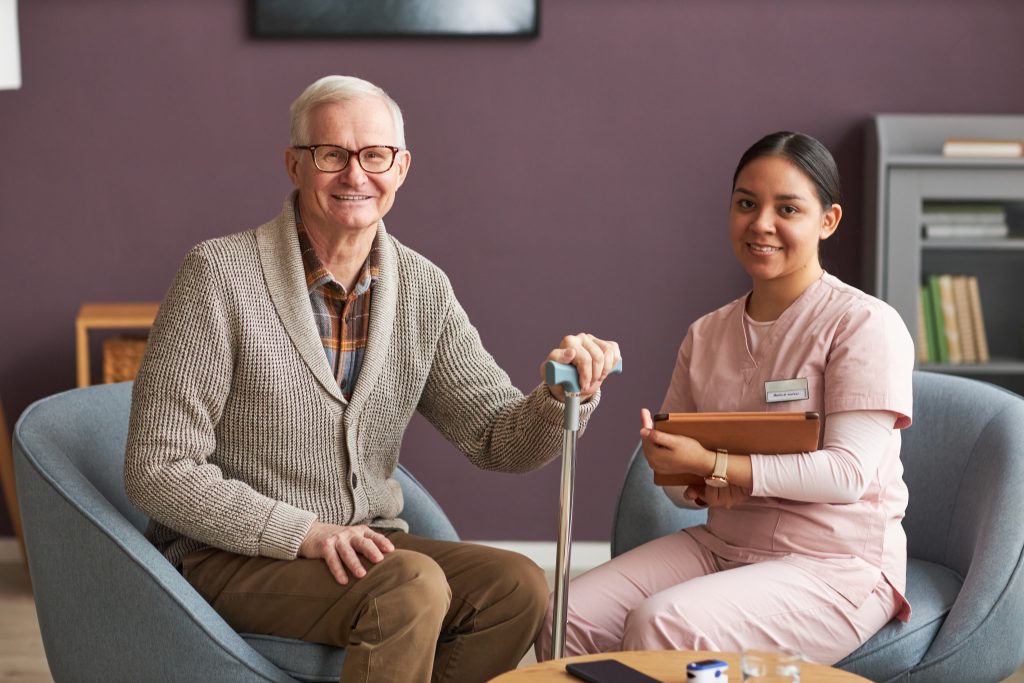

Walking may look like a simple activity, but it depends on the brain, nerves, muscles, joints, and senses working together. For an older adult living with Peripheral Neuropathy, changes in sensation can make every step feel less predictable. Numbness, tingling, burning, or reduced awareness in the feet can affect how confidently someone moves through the home or outdoors. These changes can gradually influence independence, especially when the person begins avoiding stairs, uneven surfaces, or longer walks.
Families may notice subtle changes before their loved one talks about them directly. A parent may start holding onto furniture, taking shorter steps, hesitating before standing, or refusing outings that involve too much walking. These behaviors do not always mean the person has lost the ability to remain active, but they can signal that mobility has become more difficult. Understanding why balance and walking are changing can help families respond with practical support instead of waiting until a fall or injury occurs.
Reduced Sensation Can Make Each Step Less Certain
The feet provide important information about the surface beneath them, including pressure, texture, and position. When nerve damage reduces this feedback, the brain receives less information about where the feet are in relation to the floor. A person may feel as though they are walking on something soft or uneven even when the surface is flat. This can make normal walking require more concentration than it once did.
Families exploring senior home care services should pay attention to whether their loved one seems less confident on surfaces such as carpet, tile, grass, or uneven sidewalks. Reduced sensation can make transitions between surfaces more challenging, especially in poor lighting. Encouraging the use of supportive footwear and keeping walkways clear can reduce unnecessary obstacles. A healthcare professional should evaluate new or worsening symptoms so the underlying cause and appropriate treatment can be addressed.
Balance Can Become Harder When the Feet Provide Less Feedback
Balance depends partly on knowing where the body is positioned in space. When sensation in the feet or lower legs becomes less reliable, the body may have to rely more heavily on vision and other sensory systems to stay upright. This is one reason a person may feel steady during the day but less secure in a dim hallway or bathroom at night. The change can be especially noticeable when turning, stepping backward, or standing on an uneven surface.
A home care agency in Illinois can provide everyday support when mobility changes begin affecting routines at home. Caregivers can help maintain clear pathways, provide appropriate assistance during daily activities, and encourage safer movement within the limits recommended by the person’s healthcare team. The goal is not to discourage walking but to reduce avoidable risks while preserving as much independence as possible. Consistent observation can also help families notice when mobility is changing over time.
Walking Patterns May Begin to Change Gradually
Peripheral neuropathy can influence the way a senior walks even before the family realizes there is a problem. Some people begin lifting their feet differently, taking shorter steps, or walking more slowly because they do not fully trust the sensation beneath them. Others may look down frequently while walking so they can visually confirm where their feet are landing. These adaptations can help temporarily, but they may also increase fatigue or make movement less fluid.
Professional senior home care services can help older adults maintain structured routines when walking has become more tiring or uncertain. A caregiver may provide support with everyday activities, encourage appropriate movement, and help the senior avoid rushing through tasks. Families should also discuss noticeable changes in gait with a healthcare professional, especially if the changes are sudden or worsening. Early attention can help identify whether therapy, assistive devices, medication review, or another intervention may be appropriate.
Foot Pain and Numbness Can Reduce Activity Levels
Some people with neuropathy experience pain, while others experience numbness, and some have a combination of both. Burning or tingling sensations can make walking uncomfortable, while numbness can make it difficult to judge pressure or detect small injuries. When movement begins to feel unpleasant or uncertain, seniors may gradually reduce how often they walk. Lower activity levels can then contribute to weakness and reduced endurance, which may make mobility even harder.
Through personal care services in Illinois, older adults can receive assistance with daily routines that have become more demanding because of mobility changes. Support with dressing, grooming, or preparing for the day may conserve energy for activities that are important to the person. Care should still encourage safe participation rather than replacing abilities unnecessarily. Families can also ask the senior which activities they have stopped doing and whether discomfort or fear is the reason.
Watch for Signs That Balance Is Becoming a Daily Concern
Families may not always witness an actual fall, so smaller clues can be important. A parent may begin avoiding stairs, reaching for walls, or refusing to walk outdoors without someone nearby. They may also spend more time sitting because standing and moving feels uncertain. Looking for patterns can help families recognize when occasional caution has become a regular limitation.
Signs worth watching include:
- Holding onto furniture while walking through the home
- Looking down at the feet during most steps
- Taking noticeably shorter or slower steps
- Stumbling more often on rugs, thresholds, or uneven surfaces
- Avoiding stairs or outdoor walks that were previously routine
- Reporting numbness, burning, tingling, or unusual foot sensations
- Becoming less willing to leave the house because of fear of falling
These changes do not automatically mean a senior needs extensive assistance. They do suggest that balance, nerve function, and mobility should be discussed with an appropriate healthcare provider. Families can also review the home environment for hazards that make walking unnecessarily difficult.
Household Clutter Can Increase the Risk of Losing Balance
A person with reduced sensation may have more difficulty noticing small obstacles underfoot. Loose rugs, electrical cords, boxes, laundry, or cluttered walkways can therefore become more dangerous when balance is already compromised. A minor obstacle that another person could quickly step around may be harder to detect and recover from. Keeping pathways predictable and clear can make everyday movement feel more secure.
Light housekeeping services for seniors can help maintain a safer environment by assisting with routine tasks that reduce clutter and keep frequently used areas easier to navigate. Families should prioritize clear paths between the bedroom, bathroom, kitchen, and main living spaces. Frequently used items should also be stored where they can be reached without unnecessary bending or climbing. Environmental changes cannot eliminate neuropathy, but they can remove some of the hazards that make mobility more difficult.
Personal Care Routines May Become More Difficult Too
Balance changes do not affect walking alone. Bathing, dressing, putting on shoes, and standing at the sink may all become more challenging when someone feels unsteady. Bathrooms can be particularly difficult because wet surfaces, tight spaces, and repeated transfers increase the need for stable movement. A senior may begin skipping parts of a routine rather than admitting that they are worried about falling.
With personal care services in Illinois, older adults can receive respectful assistance with daily tasks while continuing to participate according to their abilities. Support may be especially valuable during activities that require prolonged standing or repeated changes in position. Families should ask which parts of the routine feel least secure instead of assuming the senior needs help with everything. Targeted assistance can preserve confidence while reducing unnecessary risk.
Build Support Around Safe Movement and Independence
Living with neuropathy does not mean a senior should stop moving altogether. Appropriate physical activity may remain an important part of maintaining strength, mobility, and confidence, but the type of activity should reflect the person’s health and recommendations from qualified professionals. Families can help by encouraging safe routines, reducing environmental hazards, and responding early when mobility patterns change. Small adjustments are often easier to accept than waiting until a major incident forces sudden changes.
At Ace Home Care, ace home care services can be personalized around the everyday challenges that make walking, personal care, and household routines more difficult. Families considering home care services in Illinois can explore practical support that helps their loved one move through the day with greater confidence while maintaining as much independence as possible. The right level of assistance can evolve as needs change rather than replacing abilities that remain strong. If you’re noticing these signs, it may be time to explore professional support. Learn more about our home care services in Illinois or reach out for guidance.