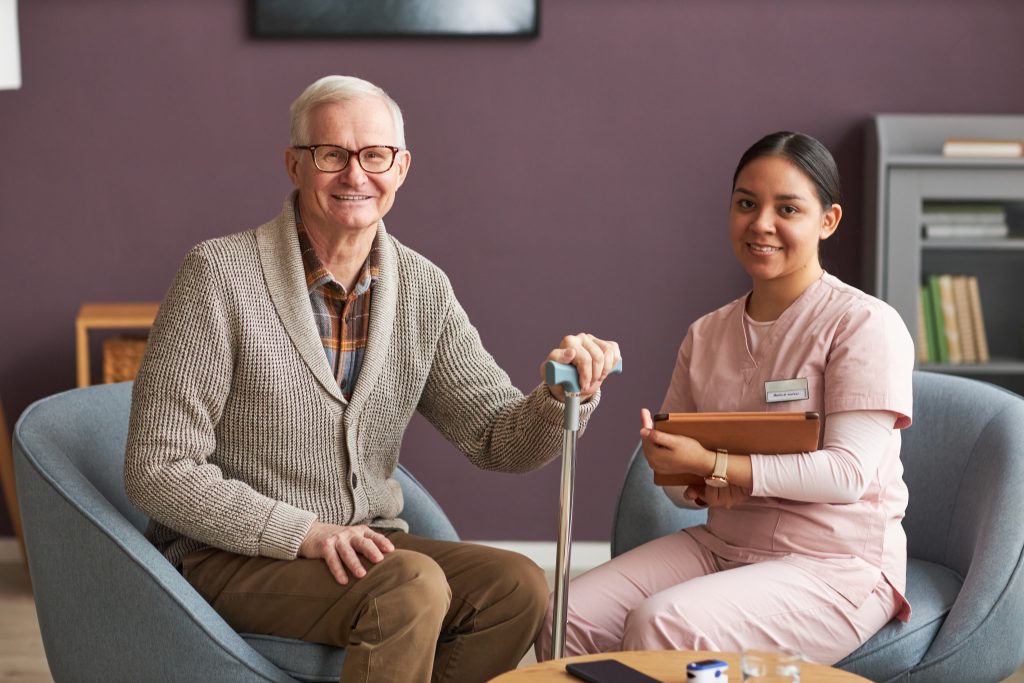
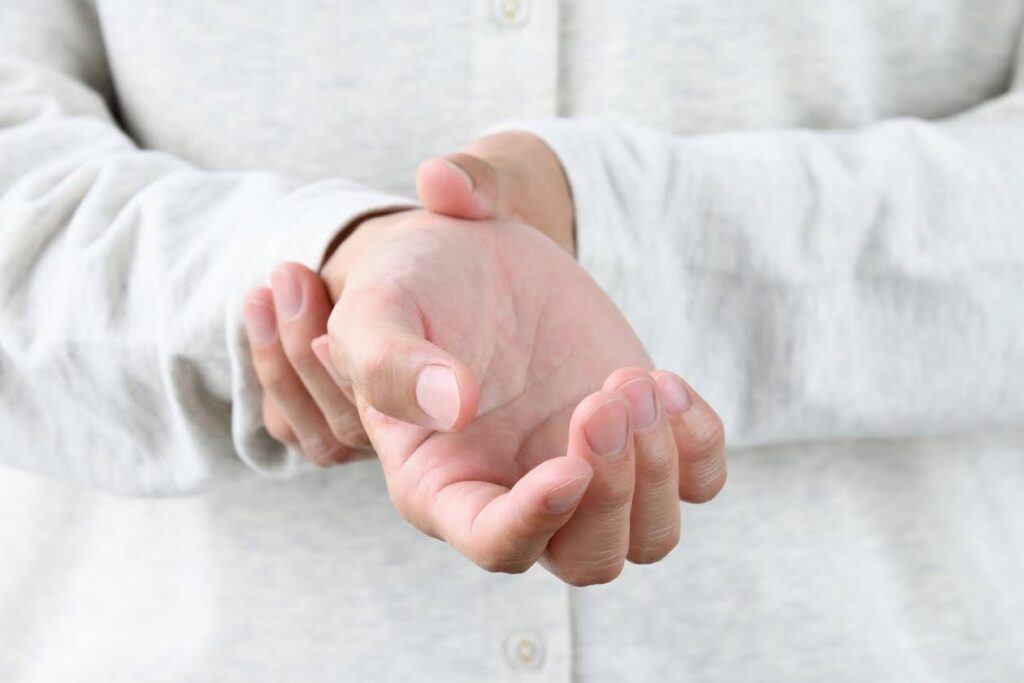
Tremors can change everyday routines in ways that families often do not anticipate. What once felt simple, like buttoning a shirt or holding a toothbrush, can slowly become frustrating or even unsafe. Many seniors try to hide these struggles because they want to remain independent and avoid worrying their loved ones. Over time, however, these quiet adjustments can lead to skipped hygiene routines, poor nutrition, or increased fall risk.
For families, recognizing the impact of tremors requires patience and observation. Personal care tasks are deeply tied to dignity, and even small challenges can feel emotionally overwhelming. Understanding why these tasks become difficult allows families to respond with empathy rather than urgency. Thoughtful support helps seniors maintain confidence while protecting their safety.
How Tremors Affect Daily Personal Care
Tremors can make precise hand movements extremely difficult. Activities such as shaving, brushing teeth, or fastening clothing require coordination and stability that tremors disrupt. Over time, seniors may begin avoiding these activities because they feel embarrassed or frustrated by the difficulty. Tremors in elderly daily care, professionals often observe that the emotional impact of these struggles can be just as significant as the physical limitations.
Even mild tremors can create hesitation around tasks that involve water, sharp objects, or balance. Holding a razor, stepping into a shower, or lifting a cup may suddenly feel risky. When seniors begin modifying routines to avoid these movements, hygiene and nutrition can decline gradually. Early awareness helps families intervene before those changes become long-term habits.
Why Routine Tasks Become Physically Exhausting
Tremors require the body to work harder to perform basic actions. The muscles constantly attempt to correct movement, which can cause fatigue much faster than expected. Seniors may feel tired after simple tasks such as dressing or preparing breakfast. This exhaustion can discourage them from completing other necessary routines.
Caregivers often notice that fatigue leads to shortcuts in hygiene or grooming. Instead of brushing thoroughly or changing clothing regularly, seniors may rush or skip steps entirely. This pattern is rarely about neglect; it is often about conserving energy. Recognizing this shift helps families respond with practical support rather than criticism.
The Safety Risks Many Families Overlook
Personal care routines often involve slippery surfaces, sharp tools, or sudden changes in posture. Tremors increase the likelihood of losing grip or balance during these moments. A dropped razor or unstable step in the shower can quickly become a safety concern. Small risks accumulate when tremors are present.
Professional caregivers trained through a reputable home care agency understand how to guide these routines safely. They learn how to stabilize movements, prepare the environment, and offer assistance without rushing the senior. This approach reduces accidents while maintaining dignity. Safety becomes part of the routine rather than an emergency response.
The Emotional Impact of Losing Independence
Personal care is closely connected to identity and self-respect. When seniors struggle to manage their own hygiene, they may feel embarrassed or ashamed. Some individuals begin isolating themselves socially to hide these changes. Emotional withdrawal can worsen overall health and well-being.
Support from caregivers through structured home senior care services can help rebuild confidence. When assistance is delivered respectfully, seniors often feel relieved rather than embarrassed. Gentle encouragement and consistent routines restore a sense of control. Emotional reassurance is just as important as physical help.
Medical Monitoring and Tremor Management
Tremors may be related to neurological conditions such as Parkinson’s disease, medication side effects, or essential tremor. Monitoring symptoms carefully allows healthcare providers to adjust treatments when needed. A reliable home health care service can help observe patterns in tremor intensity, medication timing, and physical fatigue. These observations provide valuable insight for physicians.
Caregivers often notice subtle changes that families may overlook during short visits. Tracking these details improves communication with medical professionals. Early adjustments to therapy or medication can significantly improve daily comfort. Consistent monitoring supports better outcomes.
Adjustments That Make Daily Care Easier
Small environmental adjustments can significantly reduce frustration for seniors with tremors. Many tasks become easier when tools are adapted for stability. Families often discover that simple changes can restore independence in surprising ways.
Daily Living Adjustment Checklist
- Use electric toothbrushes or razors to reduce fine hand movement
- Choose clothing with larger buttons or magnetic closures
- Install non-slip mats and grab bars in bathrooms
- Use weighted utensils or cups for a better grip
- Allow extra time for grooming and dressing routines
Support from a trusted senior home care agency can help families identify which adjustments are most helpful. Thoughtful modifications make daily life more manageable.
Why Structured Care Improves Stability
When tremors interfere with routine, consistency becomes extremely important. Reliable home care services of Illinois help maintain stable schedules for hygiene, meals, and medication reminders. Predictable routines reduce anxiety and improve cooperation. Seniors often feel calmer when daily activities follow a familiar rhythm.
Families also benefit from structured support because it reduces constant worry. Instead of monitoring every task personally, they can rely on trained caregivers. Professional oversight strengthens safety and comfort. Stability creates confidence for everyone involved.
The Growing Demand for Compassionate Elder Support
Healthcare professionals understand that tremor-related challenges will become more common as the population ages. Nurses often see firsthand how structured elderly care improves quality of life and prevents avoidable hospital visits. Entrepreneurs and healthcare investors also recognize the long-term need for stable caregiving systems. Communities benefit when care models emphasize prevention and dignity.
Responsible caregiving requires both compassion and organization. Families deserve reliable guidance during difficult transitions. Sustainable care systems strengthen both households and healthcare infrastructure. Preventive support benefits everyone.
When Families Decide to Seek Additional Support
Recognizing when a loved one needs help with personal care is rarely easy. Families often hesitate because they want to respect independence and avoid making the senior feel dependent. However, asking for support can actually preserve independence by preventing accidents and emotional strain. Thoughtful assistance protects dignity while easing daily routines.
Ace Home Care Services provides compassionate personal care services for seniors designed to support safety, hygiene, and confidence at home. If your loved one in Illinois is struggling with tremors or other mobility challenges, a simple conversation can help clarify the next steps. Reach out today to learn how respectful in-home support can make everyday life easier for both seniors and their families.