
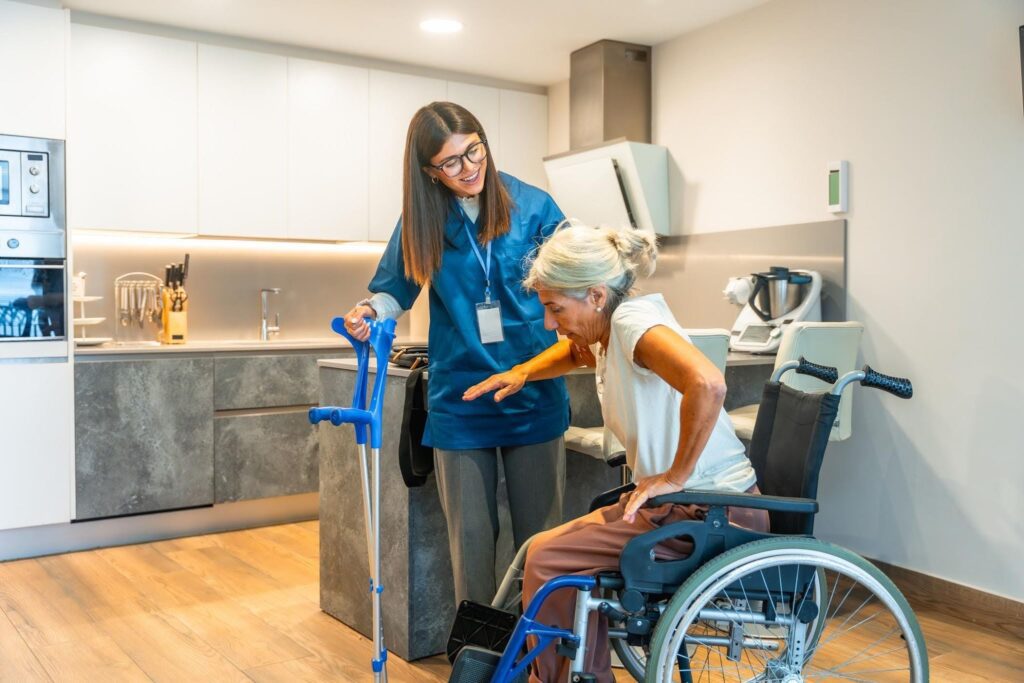
No two seniors have the exact same needs, routines, or preferences, which is why personalized care is so important. What works well for one person may not be appropriate for another, even if their situations seem similar on the surface. Families often worry about whether care will feel too generic or unfamiliar, especially when inviting someone into their loved one’s home.
Personalized home care focuses on understanding the individual first before building any kind of support plan. This means looking at daily habits, health conditions, personality, and even emotional needs. When care is tailored in this way, it feels more natural, respectful, and effective, allowing seniors to maintain a sense of control in their own environment.
Understanding the Role of a Home Care Agency
A good starting point for personalized care is choosing the right provider. A reliable home care agency takes time to learn about each client before recommending services. This process often includes conversations with both the senior and their family to understand routines, concerns, and preferences.
Instead of offering a one-size-fits-all solution, the goal is to build a plan that fits into the person’s existing lifestyle. This approach helps reduce resistance to care and makes the transition smoother. Over time, it also builds trust between the caregiver and the client, which is essential for long-term support.
Assessing Individual Needs and Daily Routines
Personalized care begins with a thorough understanding of how a senior lives day to day. This includes everything from sleep patterns and meal preferences to mobility levels and social habits. These details may seem small, but they play a big role in shaping a care plan that feels comfortable and realistic.
Through a structured home health care service, caregivers can assess both physical and emotional needs in a more complete way. This allows them to create a balanced plan that supports safety, independence, and well-being. The more detailed the assessment, the more effective the care becomes.
Personal Care That Respects Independence
For many seniors, maintaining independence is just as important as receiving help. Assistance with daily tasks should feel supportive, not intrusive or controlling. This is where personal care services in Illinois play a meaningful role in helping seniors stay comfortable while still being able to do as much as they can on their own.
Caregivers assist with activities such as bathing, dressing, grooming, and mobility in a way that respects personal boundaries. The goal is to step in only where needed, allowing seniors to remain involved in their routines. This balance helps preserve dignity and confidence in everyday life.
Nutrition and Meal Support Based on Preferences
Food is deeply personal, and preferences can vary widely from one person to another. Some seniors may have dietary restrictions, while others may simply prefer certain types of meals. Personalized care takes these factors into account to ensure that eating remains both enjoyable and beneficial.
With thoughtful meal planning services, caregivers can prepare meals that align with both nutritional needs and personal tastes. In addition, nutrition support services help monitor eating habits and ensure that seniors are getting the nutrients they need. This approach supports overall health while respecting individual preferences.
Medication and Health Routine Support
Managing medications can become more complicated over time, especially when multiple prescriptions are involved. Personalized care ensures that these routines are handled consistently and safely without causing confusion or stress.
Through medication reminders for the elderly, caregivers help seniors stay on track with their prescribed schedules. This support reduces the risk of missed or incorrect doses and provides peace of mind for families. It also allows seniors to maintain their health routines without feeling overwhelmed.
Emotional and Social Support That Feels Genuine
Emotional well-being is just as important as physical health, especially for seniors who may spend a lot of time alone. Personalized care includes understanding a person’s personality, interests, and social needs so that support feels genuine rather than routine.
Companion care services focus on creating meaningful interactions through conversation, shared activities, and presence. At the same time, emotional support services help seniors feel heard, understood, and valued. These connections can improve mood, reduce loneliness, and enhance overall quality of life.
Flexible Support Through Additional Services
Some seniors may need support that goes beyond daily routines, especially when it comes to errands or appointments. Personalized care plans often include additional services that make everyday life easier and more manageable.
A concierge service can assist with scheduling, transportation, and other responsibilities that may become difficult over time. In addition, telephone reassurance for seniors provides regular check-ins that help maintain connection and safety. These services add flexibility and can be adjusted as needs change.
Adapting Care as Needs Change Over Time
Care is not static, and it should evolve as a senior’s needs change. What starts as occasional assistance may grow into more consistent support, depending on health and lifestyle changes. Personalized care plans are designed to adapt without disrupting the senior’s sense of routine.
Through ongoing home senior care services, caregivers can adjust support gradually and thoughtfully. This ensures that care remains appropriate and effective at every stage. It also helps families feel more prepared as situations change over time.
Choosing a Provider That Understands Personalization
Finding the right provider is essential for delivering truly personalized care. Families should look for a team that listens carefully, communicates clearly, and is willing to adjust services based on feedback. Trust and consistency are key factors in creating a positive care experience, especially when care is being provided in the home.
As a senior home care agency, Ace Home Care focuses on building care plans that reflect each individual’s needs and preferences. The goal is to create support that feels natural, respectful, and consistent with the senior’s daily life. When care is approached this way, it becomes easier for seniors to feel comfortable and for families to feel confident in the support being provided.
Simple Ways Families Can Stay Involved
Even with professional care in place, families play an important role in ensuring that care remains personalized. Staying involved helps maintain alignment between the seniors’ needs and the support being provided.
You may find it helpful to:
- Regularly communicate with caregivers about any changes or concerns
- Check in with your loved one about their comfort and preferences
- Review care plans and adjust them as needed
- Stay informed about daily routines and activities
- Encourage open and honest feedback
These steps help ensure that care continues to feel supportive, respectful, and tailored to your loved one.
Supporting Your Loved One With Thoughtful, Personalized Care
Personalized home care is about more than just meeting needs; it is about understanding the person behind those needs. When care is built around individual preferences, routines, and values, it becomes more effective and more meaningful. Families can feel reassured knowing their loved one is not just receiving care, but receiving the right kind of care.
If you’re noticing these signs, it may be time to explore professional support. Learn more about our home care services in Illinois or reach out for guidance.