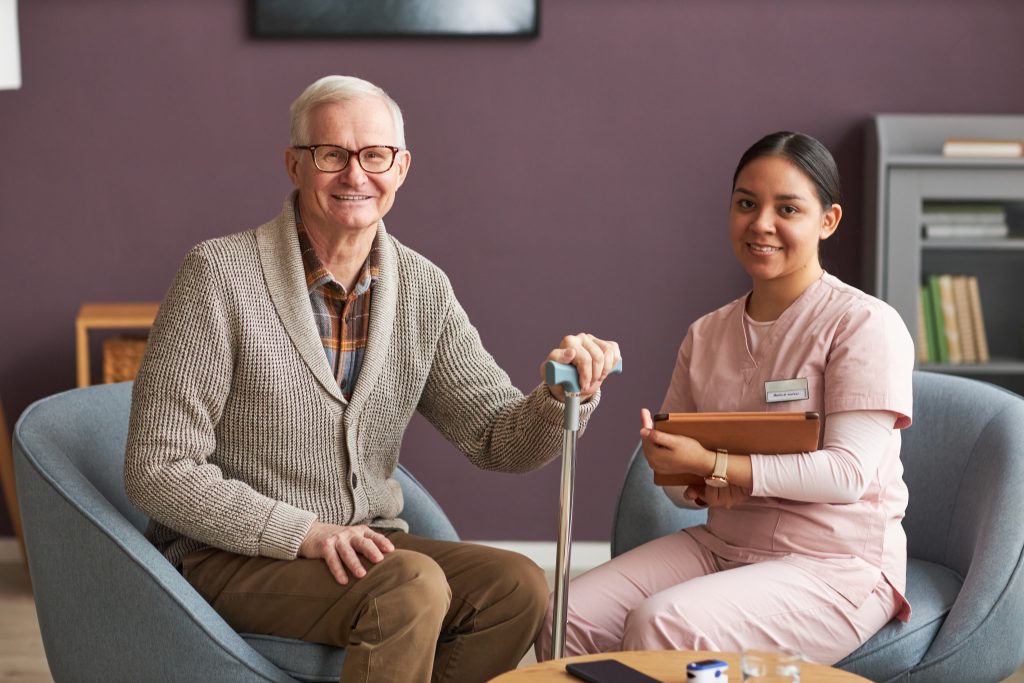

Growing older often involves gradual changes that are easy to overlook at first. A senior who once moved confidently around the home may begin taking longer to complete daily tasks. Carrying groceries, climbing stairs, or standing for extended periods can slowly become more challenging. Because these changes happen over months or years, families may not immediately recognize how much physical independence has been affected.
For many seniors, losing physical independence is not just a practical concern but an emotional one as well. The ability to care for oneself is closely connected to confidence, dignity, and personal identity. When everyday tasks become difficult, feelings of frustration and discouragement can follow. Understanding these changes allows families to provide support in ways that preserve independence while improving safety and quality of life.
Why Physical Independence Often Declines Gradually
The loss of physical independence rarely happens overnight. Most seniors experience small changes in strength, balance, flexibility, and endurance that gradually affect daily routines. At first, these changes may seem insignificant, but they often become more noticeable over time. Tasks that once required little effort can begin to feel physically demanding.
Within aging care services, caregivers frequently observe how these gradual changes affect daily life. Seniors may start avoiding activities that feel difficult rather than asking for help directly. This can create a cycle where reduced activity leads to further physical decline. Recognizing these patterns early can help families respond before challenges become more severe.
Everyday Tasks Can Become More Difficult
Simple household activities often provide the first signs of declining independence. Walking long distances, preparing meals, carrying laundry, or cleaning the home may require more effort than before. Seniors may continue performing these tasks, but take much longer to complete them. Some may quietly stop doing certain activities altogether.
These changes can be frustrating because they affect routines that once felt automatic. Many seniors do not want to admit that familiar tasks have become difficult. They may worry that acknowledging these challenges will lead to unwanted changes in their lifestyle. Open conversations can help families understand what support may be needed.
The Emotional Impact of Losing Mobility
Physical limitations affect more than just movement. Many seniors experience emotional challenges when they realize they cannot do everything they once could. Feelings of embarrassment, frustration, or sadness are common when independence begins to change. These emotions can affect confidence and motivation.
Through home senior care services, seniors can receive support while continuing to participate in their daily routines. Assistance does not mean giving up independence completely. Instead, it helps seniors focus their energy on activities they enjoy and value most. This balance often improves both emotional well-being and physical safety.
Signs That Physical Independence May Be Declining
Families often notice subtle changes before a senior openly discusses them. Paying attention to these signs can help identify challenges early. Early recognition allows families to introduce support gradually rather than waiting for a crisis. Small observations can make a significant difference.
You may notice:
- Difficulty getting up from chairs or beds
- Taking longer to complete routine tasks
- Avoiding stairs or longer walks
- Increased reliance on furniture for balance
- More frequent complaints about fatigue or weakness
These signs do not necessarily mean immediate intervention is required. However, they often indicate that additional support may improve safety and comfort.
How a Home Care Agency Can Help
When physical tasks become challenging, outside support can help maintain independence rather than replace it. A trusted home care agency can provide assistance tailored to a senior’s specific needs and abilities. This allows support to focus on areas where help is most beneficial. Care plans can be adjusted as circumstances change.
Professional caregivers understand how to encourage independence while reducing risks. Rather than taking over completely, they help seniors remain involved in their routines. This approach promotes confidence and dig
nity. It also provides reassurance for family members.
The Importance of Consistent Daily Support
Consistency is often one of the most important factors in maintaining independence. Seniors benefit from routines that provide structure and predictability. Small amounts of assistance on a regular basis can prevent larger problems from developing. Consistent support also makes it easier to monitor changes over time.
With senior home care services, caregivers can help reinforce healthy habits and safe routines. Regular support allows seniors to continue living in familiar surroundings while receiving the assistance they need. This balance often helps preserve both physical function and emotional well-being. Families also gain peace of mind knowing someone is checking in regularly.
Understanding the Value of a Home Health Care Service
Many families are unsure when it is time to seek additional help. They may worry about acting too soon or waiting too long. A quality home health care service can help bridge this gap by providing support that matches current needs. Assistance can be increased gradually as circumstances evolve.
Having professional support available allows seniors to continue living safely at home for longer. Caregivers can identify potential concerns before they become serious problems. This proactive approach helps reduce stress for both seniors and families. It also creates a stronger foundation for long-term care planning.
Finding Personalized Support Through a Senior Home Care Agency
Every senior experiences aging differently, which is why personalized care is so important. A reliable senior home care agency develops care plans based on individual abilities, preferences, and goals. This ensures that support remains practical and meaningful. Personalized care helps seniors maintain as much independence as possible.
Families often feel more confident when care is tailored to their loved one’s specific needs. Flexible support can adapt as circumstances change over time. This allows seniors to continue participating in daily life without feeling overwhelmed. Personalized care creates a more comfortable and positive experience.
Supporting Independence with Confidence
The slow loss of physical independence can be difficult for both seniors and their families. However, recognizing these changes early creates opportunities to provide support before challenges become overwhelming. Small adjustments and consistent assistance can help seniors remain active, safe, and engaged in daily life. Independence is often best preserved through the right kind of support rather than through struggle alone.
At Ace Home Care, our services are designed to help seniors maintain dignity, confidence, and quality of life while continuing to live at home. Families looking for compassionate home care services in Illinois can benefit from guidance tailored to their loved one’s needs. If you’re noticing these signs, it may be time to explore professional support. Learn more about our home care services in Illinois or reach out for guidance.