Recovering from a stroke does not end when a patient leaves the hospital, and in many ways, that is when the real work begins. The transition from medical supervision to home life can feel overwhelming without the right structure and support in place. Stroke survivors often need consistency, patience, and carefully planned routines to regain strength and confidence during their post-hospital recovery. Home-based care helps bridge that gap by providing steady support in a familiar environment.
Healing at home allows recovery to happen at a more personal and manageable pace. Familiar surroundings reduce stress, which plays an important role in physical and cognitive recovery. Daily support also helps prevent setbacks that may occur when care feels fragmented or inconsistent. With the right team, home becomes a place of progress rather than uncertainty.
Why Stroke Recovery at Home Requires Specialized Support
Stroke recovery involves physical, cognitive, and emotional adjustments that require thoughtful attention. Simple daily tasks may suddenly require more time, effort, or assistance than before. Without proper support, these challenges can slow progress and increase frustration. Home care helps provide structure while allowing recovery to feel gradual and achievable.
Teams providing stroke recovery home care understand how recovery needs change over time. Their role is to support progress without overwhelming the individual. Care is adjusted as strength, mobility, and confidence improve. This flexible approach helps create a more stable recovery process.
Supporting Daily Routines After Hospital Discharge
Daily routines become especially important after a hospital stay because they help restore a sense of normalcy. Predictable schedules reduce confusion and make each day feel more manageable. Routines also help reinforce therapy goals and encourage steady progress. Consistency supports both physical recovery and emotional balance.
Providers offering senior home health care services in Illinois focus on rebuilding daily structure safely. Caregivers assist with morning routines, movement, and rest periods without rushing the process. This allows recovery to happen at a sustainable pace. A structured day provides comfort and clarity during healing.
Personal Care That Supports Dignity and Strength
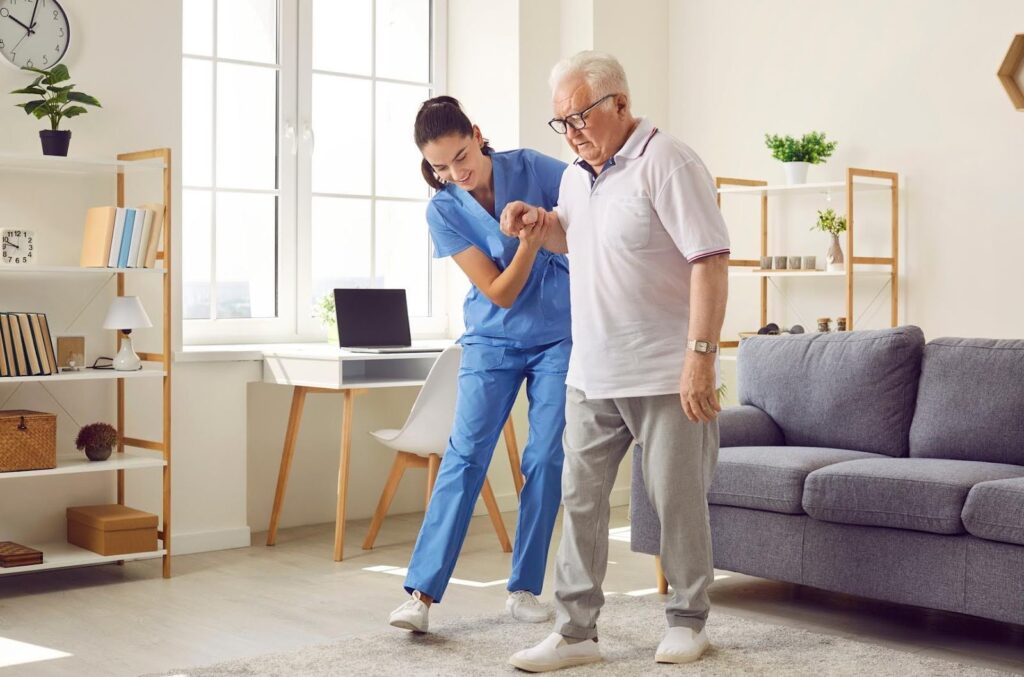
Personal care needs often increase after a stroke, especially during the early stages of recovery. Assistance with bathing, dressing, and mobility helps prevent strain and injury. This support also protects energy so it can be used for rehabilitation and healing. Care should feel respectful and patient at all times.
Professionals providing personal care services for seniors understand the importance of dignity during recovery. They support independence wherever possible while offering help where needed. This balance helps rebuild confidence and physical strength. Personal care becomes part of recovery rather than a source of discomfort.
Nutrition and Meal Support During Stroke Recovery
Proper nutrition plays a critical role in rebuilding strength and supporting brain health after a stroke. Appetite changes, fatigue, or difficulty preparing meals can make balanced eating more challenging. Warm, nourishing meals help maintain energy levels and support healing. Consistent nutrition also helps support medication routines and therapy participation.
Care teams offering nutrition and meal support for seniors focus on meals that are easy to eat, balanced, and supportive of recovery. They help ensure regular meals without placing extra strain on the individual. This support helps prevent weakness and unintended weight loss. Thoughtful nutrition planning strengthens overall recovery.
Creating a Safer Home Environment for Recovery
Safety becomes a top priority after a stroke due to changes in balance, coordination, or strength. Small hazards can pose significant risks during recovery. Creating clear pathways and organized living spaces reduces the chance of falls. A safer environment supports confidence and independence.
Providers offering light housekeeping services for seniors help maintain order and reduce daily hazards. Regular upkeep keeps floors clear and commonly used areas accessible. This type of support protects progress made during therapy. A safer home allows recovery to continue without unnecessary setbacks.
Practical Ways Home Care Supports Stroke Recovery
Recovery is supported best through consistent, manageable actions that reinforce daily progress. These actions help build confidence while preventing exhaustion or injury. Home care focuses on steady improvement rather than rushed results. Simple practices can make a meaningful difference over time.
Ways Home Care Supports Post-Stroke Recovery
- Assisting with daily routines to maintain structure and consistency
- Supporting safe movement and mobility throughout the home
- Preparing balanced meals to support strength and healing
- Keeping living areas clean and free from hazards
- Encouraging rest periods to prevent fatigue
- Monitoring changes and adjusting care as recovery progresses
Choosing the Right Home Care Partner After a Stroke
Selecting the right care provider is a critical decision during recovery. Stroke recovery requires patience, experience, and the ability to adapt as needs evolve. Communication and reliability matter just as much as clinical knowledge. The right provider creates confidence and peace of mind.
A guide for choosing the best care includes evaluating experience with post-stroke support. Providers offering home care services in Illinois should demonstrate flexibility and understanding of recovery challenges. The right partnership supports progress without pressure. Thoughtful selection sets the foundation for long-term success.
Long-Term Benefits of Consistent Home-Based Recovery Support
Consistent support helps stroke survivors regain independence at a realistic pace. Over time, structured care supports physical improvement and emotional stability. A steady presence reduces anxiety and encourages continued participation in recovery activities. Long-term support creates better outcomes.
Care teams providing home care services in Illinois help maintain momentum throughout recovery. Their involvement allows adjustments as abilities improve. Consistency protects progress and prevents setbacks. Home-based care helps recovery feel supported every step of the way. Additionally, having a dedicated care team ensures that patients receive personalized attention tailored to their unique needs.
Compassionate Recovery Support Starts at Home
Post-hospital stroke recovery requires patience, structure, and reliable support in the place that feels safest. Ace Home Care provides trusted stroke recovery home care, offering personal care, nutrition support, and light housekeeping to support healing at home. If you are looking for dependable senior home health care services in Illinois, our experienced local team is ready to help.
Contact Ace Home Care today to learn how our Illinois-based caregivers can support recovery with compassion, consistency, and respect.
Frequently Asked Questions About Post-Hospital Stroke Recovery at Home
Why is home-based recovery important after a stroke? ▾
The transition from hospital to home is one of the most critical phases of stroke recovery. Familiar surroundings reduce stress and support healing, while consistent home-based care prevents the fragmented support that leads to setbacks. Home recovery allows care to be personalized to the individual’s specific needs and adjusted as recovery progresses, which institutional settings often cannot provide.
What kind of daily support does a stroke survivor need at home? ▾
Stroke survivors typically need assistance with personal care like bathing, dressing, and mobility; structured daily routines that reinforce therapy goals; nutrition support to rebuild strength and brain health; medication management; home safety modifications to prevent falls; and emotional support to manage the frustration and anxiety that often accompany recovery. The level of support adjusts as the survivor regains abilities.
How do daily routines help stroke recovery? ▾
Predictable daily schedules restore a sense of normalcy and reduce the confusion that stroke survivors often experience. Consistent routines reinforce therapy goals by incorporating rehabilitative movements and activities into everyday tasks. When the day follows a reliable structure, survivors can focus their limited energy on recovery rather than managing uncertainty.
Why is nutrition especially important during stroke recovery? ▾
Proper nutrition is critical for rebuilding strength, supporting brain health, and fueling the energy needed for rehabilitation. Stroke survivors often experience appetite changes and fatigue that make eating consistently more difficult. Structured nutrition support ensures balanced meals are prepared and eaten regularly, which directly impacts therapy participation, medication effectiveness, and overall recovery progress.
What home safety changes are needed after a stroke? ▾
Stroke recovery often involves balance and coordination challenges that increase fall risk. Essential home safety modifications include clearing pathways of obstacles, installing grab bars in bathrooms, ensuring adequate lighting, removing loose rugs, organizing frequently used items within easy reach, and maintaining clean, uncluttered living spaces. Light housekeeping support helps maintain these safety standards consistently.
How long does post-stroke home care typically last? ▾
The duration varies based on stroke severity, the survivor’s rate of recovery, and individual care needs. Some survivors need intensive daily support for weeks or months, while others require less frequent assistance over a longer period. The best care plans are flexible and adjust as the survivor regains independence, gradually reducing support levels while maintaining safety and monitoring progress.
What should families look for in a post-stroke home care provider? ▾
Families should choose a provider experienced in stroke recovery that offers flexible care plans, trained caregivers who understand post-stroke physical and cognitive challenges, integration of personal care with nutrition and safety support, consistent caregiver assignment for continuity, and compassionate communication with both the survivor and their family. The right provider treats recovery as a comprehensive process, not a collection of isolated tasks.