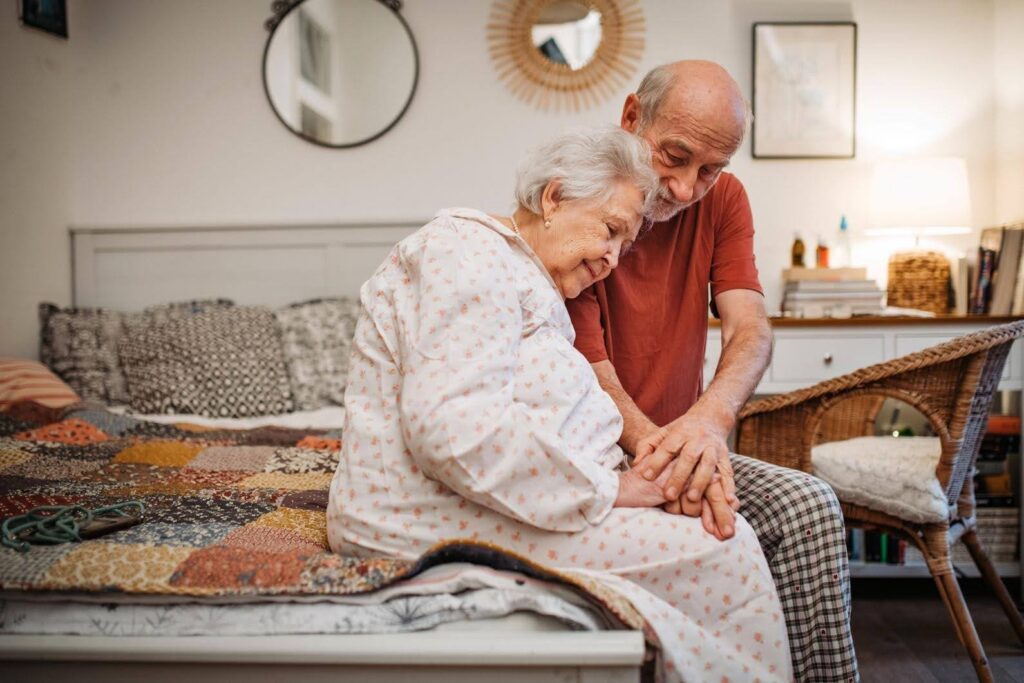
Many couples expect to grow older together, but few are fully prepared for the moment when one spouse becomes the primary caregiver for the other. A husband may begin helping his wife with mobility after surgery, or a wife may gradually take on more responsibilities as her husband’s health changes. What often starts as occasional assistance can slowly develop into full-time caregiving. While this role is often taken on with love, it can also bring unexpected physical, emotional, and mental challenges.
Spousal caregivers frequently balance household responsibilities, medical appointments, medications, and personal care while managing their own health and well-being. They may hesitate to ask for help because they believe caregiving is simply part of their commitment to one another. However, providing ongoing care without support can become overwhelming over time. Understanding these challenges allows families to recognize when additional assistance may benefit both spouses.
How the Caregiving Role Changes a Marriage
When one spouse becomes a caregiver, the relationship naturally begins to change. Responsibilities that were once shared may become one-sided, and daily routines often revolve around medical needs rather than mutual activities. This transition can be emotionally difficult because couples are adjusting to new roles while coping with changes in health. It is common for both partners to experience uncertainty during this period.
Within aging care services, caregivers often see couples struggling to balance love, partnership, and caregiving responsibilities. While devotion remains strong, the emotional demands of caregiving can affect communication and daily interactions. Acknowledging these changes helps couples approach the situation with greater patience and understanding. Honest conversations often strengthen the relationship during difficult times.
Caregiver Burnout Can Happen Gradually
Many spouses do not recognize caregiver burnout until they are already physically and emotionally exhausted. They often place their partner’s needs ahead of their own, skipping rest, social activities, or even medical appointments. Over time, this constant responsibility can lead to fatigue, stress, frustration, and declining health. Burnout usually develops slowly rather than all at once.
Families should remember that supporting the caregiver is just as important as supporting the senior receiving care. A healthy caregiver is better able to provide compassionate and consistent assistance. Taking breaks should never be viewed as selfish or a sign of weakness. Rest is an essential part of sustainable caregiving.
Accepting Help Is Not Giving Up
Some spouses feel guilty about accepting outside assistance because they believe they should be able to manage everything themselves. Others worry that bringing in professional caregivers somehow diminishes their commitment or love. In reality, asking for help often allows them to continue being supportive partners without becoming overwhelmed. Sharing responsibilities can strengthen rather than weaken the caregiving relationship.
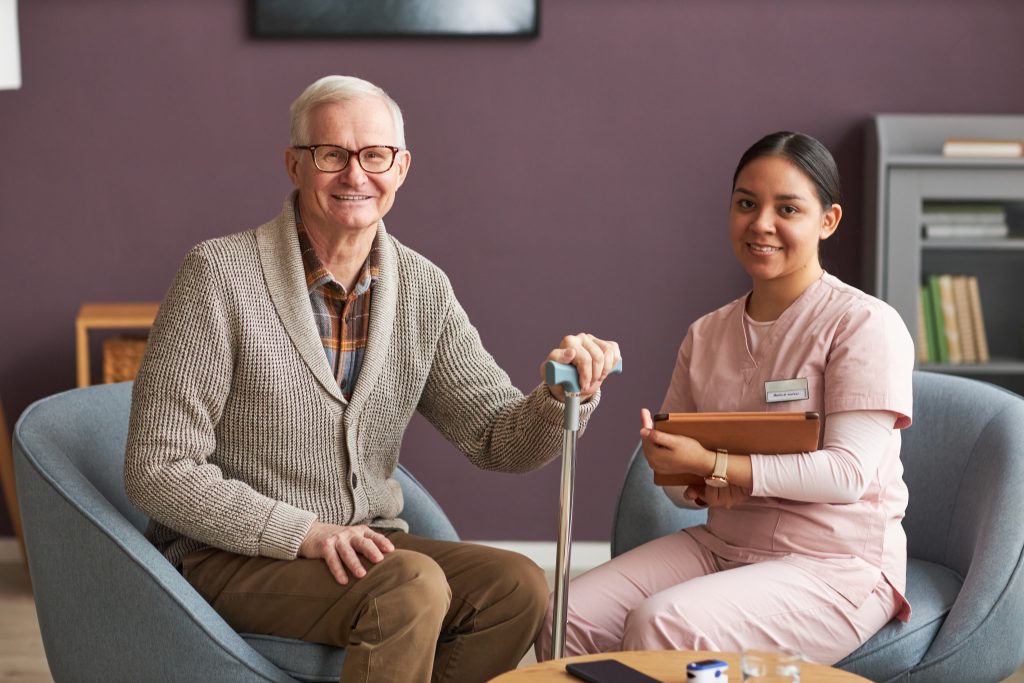
Through home senior care services, families can supplement the care already being provided by a spouse. Professional assistance allows caregivers to rest, attend appointments, or simply enjoy meaningful time together without focusing entirely on caregiving tasks. This balance often improves quality of life for both individuals. Accepting help is a practical decision rooted in long-term well-being.
Daily Tasks Become More Demanding
As health needs increase, everyday responsibilities can quickly multiply. Preparing meals, assisting with mobility, managing medications, helping with bathing, and maintaining the household all require time and energy. Completing these tasks every day can become physically exhausting, especially for an older spouse who may also have health concerns. The workload often grows gradually until it becomes difficult to manage alone.
Families should regularly check in with both spouses rather than focusing only on the individual receiving care. Small conversations about daily routines often reveal where extra support would be most helpful. Addressing these concerns early prevents responsibilities from becoming overwhelming. Practical assistance can make everyday life much more manageable.
Signs That a Caregiving Spouse Needs Support
Caregiver stress is not always obvious because many spouses try to hide their struggles. They may continue saying they are managing well even while feeling exhausted. Paying attention to changes in the caregiver’s health and behavior can help families recognize when additional support is needed. Early intervention often prevents burnout.
You may notice:
- Constant fatigue or lack of energy
- Increased stress or irritability
- Difficulty keeping up with household responsibilities
- Missed personal medical appointments
- Less time spent on hobbies or social activities
These signs do not mean the caregiver is failing. They often indicate that additional assistance would benefit both members of the couple.
Personal Care Assistance Can Ease Daily Responsibilities
Helping a spouse with bathing, dressing, grooming, or mobility can become physically demanding over time. These responsibilities often require strength, balance, and proper techniques to perform safely. Without assistance, both spouses may face increased risk of injury or exhaustion. Sharing these tasks can improve safety and comfort for everyone involved.
With personal care services in Illinois, caregivers provide respectful assistance that protects dignity while reducing the physical demands placed on spouses. Professional support allows couples to spend more time simply enjoying each other’s company rather than focusing entirely on caregiving responsibilities. This balanced approach promotes independence while easing daily stress. Families also gain reassurance knowing experienced caregivers are available.
Choosing a Trusted Care Partner
Every family’s caregiving journey is different, which is why personalized support is so important. A reliable home care agency works closely with couples to understand their routines, preferences, and changing needs. Care plans can be adjusted as health conditions evolve, providing flexibility throughout the caregiving journey. Personalized support allows couples to remain together comfortably at home for as long as possible.
A compassionate senior home care agency also recognizes that supporting the caregiver is an essential part of quality care. Professional caregivers help reduce physical and emotional strain while preserving the couple’s relationship. This partnership creates a stronger support system for everyone involved. Families often feel more confident knowing both spouses are receiving the care they need.
Supporting Both Partners Through the Journey
When one spouse becomes the primary caregiver, both individuals experience significant changes in their daily lives. While caregiving is an act of love, it should never require one person to carry every responsibility alone. Sharing responsibilities, accepting support, and focusing on both partners’ well-being creates a healthier and more sustainable caregiving experience. Caring for the caregiver is an important part of caring for the senior.
At Ace Home Care, our services are designed to support seniors and the loved ones who care for them. Families looking for home care services in Illinois can benefit from compassionate, personalized care that promotes comfort, dignity, and independence. If you’re noticing these signs, it may be time to explore professional support. Learn more about our home care services in Illinois or reach out for guidance.