
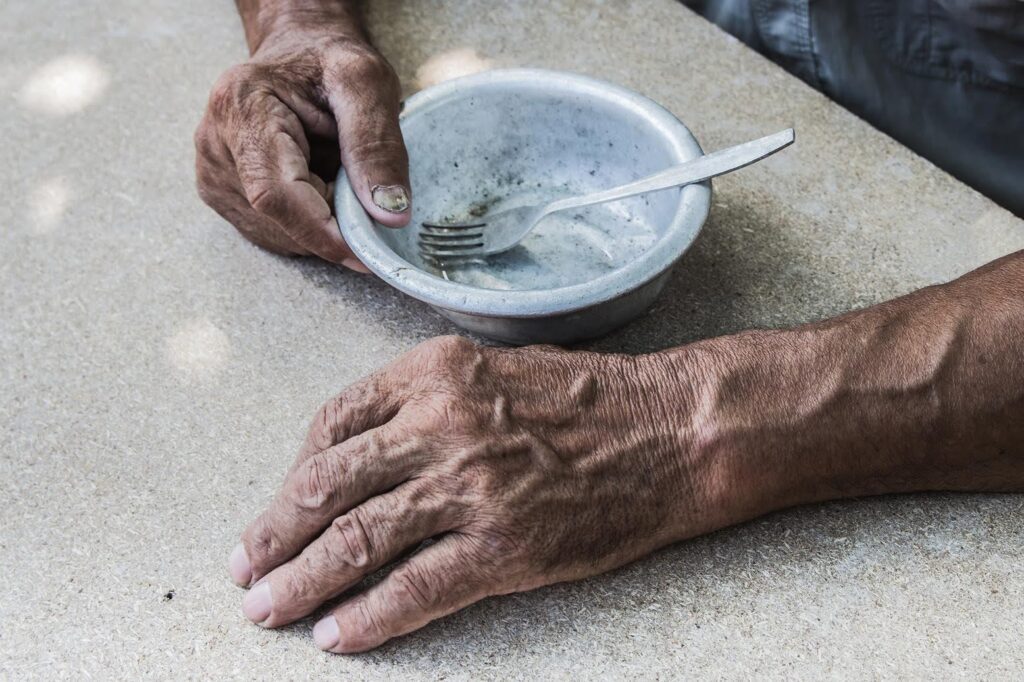
Fatigue in older adults is often brushed off as a normal part of aging, but persistent tiredness can signal something deeper. As the body changes over time, nutritional needs also shift, and it becomes easier to miss important nutrients without realizing it. When nourishment is lacking, energy levels, mood, and physical strength can slowly decline. Understanding the difference between everyday tiredness and undernutrition helps families take action before health concerns escalate.
Nutrition plays a quiet but powerful role in overall well-being, especially for seniors who may eat less or skip meals unintentionally. Changes in appetite, digestion, or routine can make it harder to maintain balanced nutrition. Without steady support, these small gaps can add up over time. Paying attention to subtle signs allows for earlier, more effective intervention.
Why Undernutrition Is Easy to Miss in Older Adults
Undernutrition often develops quietly because it does not always look like skipping meals entirely. Seniors may eat smaller portions, rely on convenience foods, or avoid certain textures without realizing how much nutrition is being lost. Changes in taste, digestion, or medication side effects can gradually reduce nutrient intake over time. Because these shifts happen slowly, they are frequently mistaken for normal aging.
Many undernutrition signs in seniors blend into everyday life rather than standing out clearly. Fatigue, mild weakness, or reduced appetite can seem unremarkable at first. Over time, these patterns compound and begin to affect strength and resilience. Recognizing undernutrition early allows for supportive, preventative care.
Physical Signs That Nutrition May Be Falling Short
The body often signals nutritional deficiency through subtle physical changes that are easy to overlook. Muscle weakness, slower movement, or increased sensitivity to cold can all reflect inadequate nourishment. Skin may appear thinner or drier, and minor injuries may take longer to heal. These signs indicate that the body lacks the resources it needs to maintain strength and repair itself.
Teams providing senior home health care services in Illinois are trained to notice these physical shifts early. Addressing nutrition at this stage can prevent further decline. Strength and balance depend heavily on consistent nutrient intake. Supporting nutrition helps protect mobility and independence.
Emotional and Cognitive Changes Linked to Poor Nutrition
Nutrition directly affects brain function, emotional regulation, and the ability to stay mentally engaged throughout the day. When the body lacks essential nutrients, seniors may slowly become more withdrawn, easily irritated, or less interested in activities that once felt familiar and enjoyable. Difficulty concentrating, slower thinking, or increased confusion can also appear, even when there is no diagnosed cognitive condition present. These changes are often misunderstood because they develop gradually and are not immediately connected to eating habits. Without examining nutrition closely, emotional and cognitive shifts can be misattributed to aging alone.
Providers offering nutrition and meal support for seniors understand how closely food intake is tied to mental clarity and emotional balance. Balanced meals help regulate blood sugar, support brain chemistry, and reduce mood fluctuations that come from inconsistent nourishment. When nutritional gaps are addressed, emotional engagement and focus often improve in noticeable ways. This improvement reinforces how closely the brain depends on steady, adequate nutrition. Supporting emotional and cognitive health begins with meeting the body’s basic nutritional needs.
How Daily Routines Can Disrupt Proper Nutrition
Small changes in daily routine can quietly disrupt nutrition over time, especially when structure begins to fade. Skipped meals, irregular eating schedules, or reduced motivation to cook can slowly lower overall intake without drawing immediate attention. Fatigue, limited mobility, or discomfort may make meal preparation feel more demanding than it once did. These challenges often go unspoken, even as nutrition steadily declines. Without routine, eating can feel optional rather than essential.
Teams delivering home care services of Illinois focus on restoring structure around meals in a way that feels supportive rather than restrictive. Consistent routines reduce the mental and physical effort required to eat regularly. Predictability helps improve appetite and digestion by signaling the body when nourishment is coming. Over time, routine creates a stable foundation that makes proper nutrition easier to maintain. Structure supports nourishment without adding pressure.
Why Nutrition Support Becomes Essential With Age
As seniors age, their bodies require foods that are more nutrient-dense, even though appetite often decreases. This imbalance makes it difficult to meet nutritional needs through eating alone without support. Over time, small deficiencies can affect strength, immunity, healing, and energy levels. Nutrition support helps bridge the gap between what the body needs and what daily habits realistically provide. Without that support, decline can happen gradually and quietly.
Professionals providing elderly care nutrition support approach nutrition as an essential part of overall health rather than a secondary concern. They focus on making meals accessible, balanced, and appropriate for changing physical needs. This proactive approach helps reduce long-term health risks before they escalate. Nutrition support is not reactive care; it is preventative and stabilizing. Proper nourishment helps sustain strength and resilience over time.
Subtle Warning Signs That Nutrition Needs Attention
Early warning signs of undernutrition often appear quietly and consistently rather than suddenly. Recognizing these patterns allows for timely support. Paying attention to trends rather than isolated moments makes a difference. Early action leads to better outcomes and less disruption.
Common Signs of Nutritional Deficiency in Seniors
- Ongoing fatigue that does not improve with rest
- Unintentional weight loss or reduced appetite
- Muscle weakness or declining mobility
- Frequent illness or slower recovery
- Changes in mood, focus, or emotional engagement
- Skipping meals or leaving food unfinished
Choosing the Right Nutrition Support Services
Not all nutrition support services are designed for the specific needs of older adults. The right provider understands aging-related changes and adapts care accordingly. Experience, communication, and consistency are essential. Support should feel respectful and realistic.
A thoughtful guide for choosing the best care includes evaluating experience with senior nutrition needs. Providers offering nutrition support services in Illinois should tailor plans to daily routines and preferences. Flexibility matters as needs evolve. The right support helps nutrition feel achievable again.
How Home Care Helps Restore Strength and Energy
Home care provides the consistency and structure needed to support proper nutrition over time. Caregivers assist with meal preparation, planning, and gentle encouragement without overwhelming daily routines. This support allows seniors to conserve energy while still meeting nutritional needs. Gradually, strength and stamina can improve.
Teams offering home care services in Illinois integrate nutrition support naturally into daily care. Their involvement ensures meals are not skipped or rushed. Consistent nourishment supports physical resilience and emotional balance. Home-based care helps seniors feel steadier and more supported.
Fatigue Is Not Always Just Tiredness
Persistent low energy can be an early signal that nutritional support is needed. Ace Home Care provides compassionate nutrition support services in Illinois, helping seniors maintain strength, clarity, and well-being through thoughtful meal support and daily structure. If you are considering reliable senior home health care services in Illinois, our local team is ready to help.
Contact Ace Home Care today to learn how personalized nutrition support can restore energy, confidence, and comfort at home.
Frequently Asked Questions About Nutritional Deficiency in Seniors
What are the hidden signs of nutritional deficiency in seniors? ▾
Hidden signs include persistent fatigue that does not improve with rest, unintentional weight loss, muscle weakness or slower mobility, thin or dry skin, delayed wound healing, temperature sensitivity, frequent illness, mood changes like irritability or withdrawal, and difficulty concentrating. These symptoms often develop gradually and are easily misattributed to normal aging rather than poor nutrition.
Why is undernutrition so often overlooked in older adults? ▾
Undernutrition develops quietly because it does not always look like skipping meals entirely. A senior may still eat regularly but consume foods that lack sufficient nutrients. Small changes in eating habits accumulate over time without obvious warning signs. Families often attribute the resulting fatigue and weakness to aging rather than inadequate nutrition.
Can poor nutrition cause mood and cognitive changes in seniors? ▾
Yes. The brain depends on consistent nutritional intake to function properly. When nutrition is inadequate, seniors may experience withdrawal from social activities, increased irritability, difficulty concentrating, and heightened confusion. These changes are frequently misinterpreted as signs of aging or cognitive decline when the root cause may actually be nutritional deficiency that is correctable with proper dietary support.
How do nutritional needs change as we age? ▾
Seniors require more nutrient-dense foods even as their appetite naturally decreases. The body needs higher levels of certain vitamins, minerals, and proteins to maintain muscle mass, bone strength, and immune function, but reduced appetite and slower metabolism create a gap between what the body needs and what is realistically consumed.
Why do seniors stop eating well even when food is available? ▾
Several factors contribute beyond just access to food. Physical fatigue can make cooking or even eating feel exhausting. Reduced mobility limits the ability to prepare meals. Medication side effects may reduce appetite or alter taste. Loneliness and depression decrease motivation to eat. When daily routines lose structure, meals are often the first thing that slips.
How does home care help with senior nutrition? ▾
Home care providers offer consistent daily support that restores structure around meals. Caregivers assist with meal planning, grocery shopping, food preparation, and ensuring meals are eaten at regular times. They also monitor appetite changes and eating patterns, providing early detection of nutritional decline.
When should a family seek professional help for a senior’s nutrition? ▾
Families should seek professional help when they notice persistent fatigue, unintentional weight loss, increased frequency of illness, noticeable muscle weakness, consistent mood or cognitive changes, or a pattern of skipped meals. These signs indicate that nutritional support is needed before the deficiency leads to more serious health consequences.