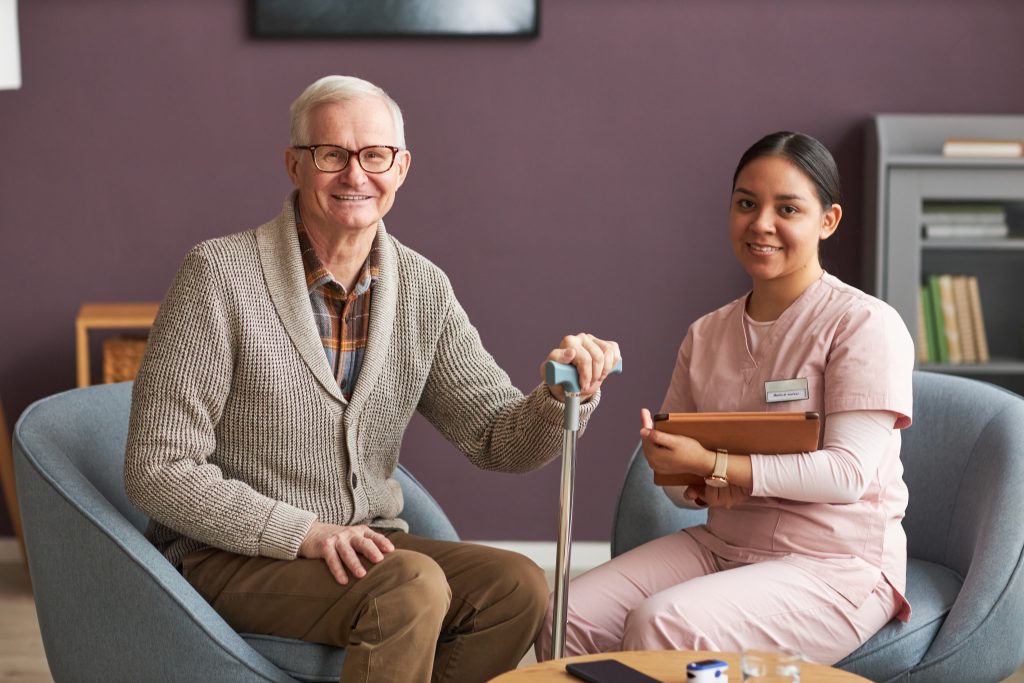
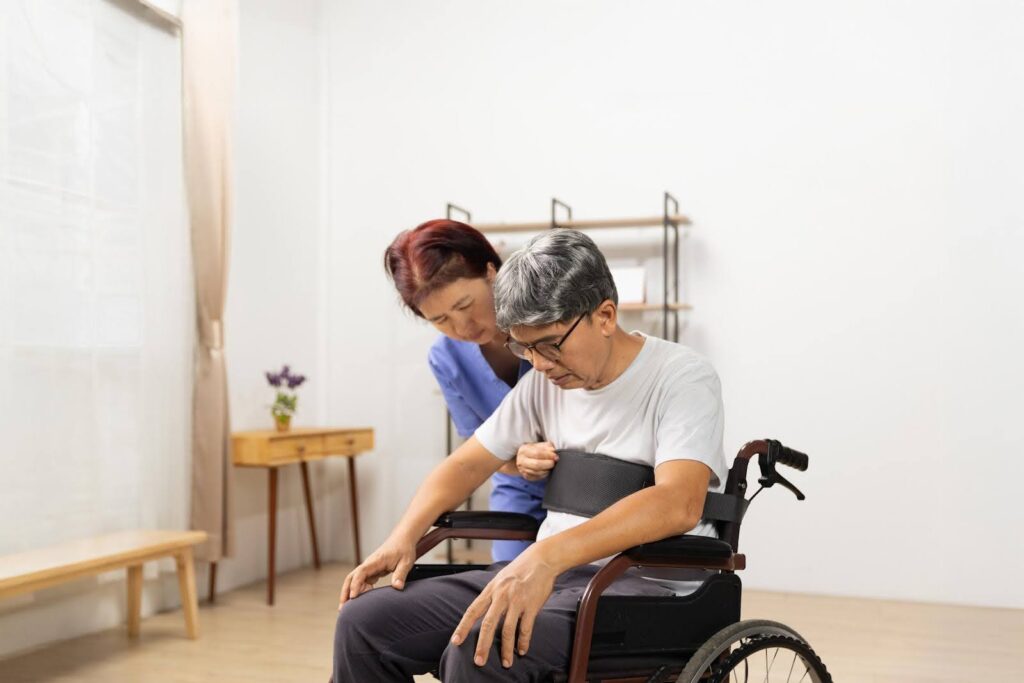
Many families assume that if a loved one is still living at home, everything must be fine. The house looks the same, the routine feels familiar, and nothing dramatic has happened yet. However, safety risks rarely announce themselves loudly. They build slowly through small changes in balance, memory, strength, and judgment that are easy to miss during short visits.
If you live in Evanston and have started to wonder whether your parent or relative is truly safe at home, that concern deserves careful attention. Safety is not only about preventing accidents. It is about preserving dignity, stability, and independence in a way that supports long-term well-being. A thoughtful evaluation now can prevent an avoidable emergency later.
Why Home Safety Often Declines Gradually
Homes that once felt comfortable and manageable can quietly become difficult to navigate with age. Lighting that seemed adequate ten years ago may now create shadows that increase fall risk. Stairs that were climbed without thought may now feel intimidating or unstable. These changes do not mean a loved one has failed. They reflect natural aging patterns that require adjustment.
Professionals who work in elderly homecare often observe that families normalize these risks because they develop slowly. When you see the same space every week, gradual hazards become invisible. A structured review, such as a home care safety checklist in Evanston, allows families to step back and evaluate the environment objectively. Prevention is always less stressful than responding after an injury has occurred.
Mobility and Fall Risk Assessment
Falls remain one of the leading causes of hospitalization among seniors. Even when injuries are minor, the emotional impact can be significant. A single fall can reduce confidence and create fear of movement, which often leads to reduced activity and muscle weakness. That cycle increases long-term risk.
Walk through the home slowly and intentionally with safety in mind. Look for uneven flooring, unstable furniture, and tight walkways that could cause tripping. Pay attention to bathroom surfaces, stair railings, and entryways that may become slippery in winter. Small environmental adjustments can dramatically reduce preventable injuries.
Mobility and Fall Prevention Checklist:
- Remove loose rugs or secure them with non-slip backing
- Install grab bars in showers and near toilets
- Ensure hallways and staircases have adequate lighting
- Clear clutter from walkways and frequently used areas
- Confirm that handrails are sturdy and secure
Medication Management and Cognitive Safety
Medication errors are one of the most common safety risks for seniors living independently. Confusion about dosage, timing, or prescription changes can lead to serious complications. Memory challenges often begin subtly, which makes these errors harder to detect at first. Families may assume forgetfulness is occasional when it is becoming a pattern.
Consistent oversight through senior home care services helps ensure medications are taken properly and safely. A reliable senior home care agency monitors refill patterns, dosage timing, and potential side effects. These safeguards protect physical health and reduce hospital visits. Medication structure is not about control, but about stability.
Kitchen Hazards and Nutritional Safety
The kitchen presents both physical and nutritional risks. Seniors may forget to turn off burners, misjudge cooking times, or leave appliances unattended. These incidents may not happen often, but when they do, the consequences can be serious. Nutrition also becomes a concern when grocery shopping and meal preparation feel overwhelming.
Open cabinets and refrigerators and observe food quality and availability. Notice whether meals appear balanced or repetitive. Poor nutrition weakens muscles, affects mood, and increases fall risk. Many aging care services address both meal preparation and kitchen safety to protect health in a comprehensive way.
Kitchen and Nutrition Checklist:
- Check for expired or spoiled food
- Confirm that smoke detectors function properly
- Evaluate whether meal preparation feels safe and manageable
- Monitor weight changes or decreased appetite
- Ensure emergency contact numbers are easily accessible
Emotional and Social Safety
Safety is not only physical. Social isolation can quietly affect mental and physical health. Seniors who rarely interact with others are at higher risk for depression, cognitive decline, and decreased motivation. Emotional withdrawal can lead to neglect of personal care and household maintenance.
Structured companionship through senior home care solutions can help restore engagement and routine. Caregivers provide conversation, activity support, and emotional reassurance. Social connection improves confidence and daily participation. Emotional stability supports better decision-making and overall health.
When Small Concerns Start Forming a Pattern
A missed appointment might not seem urgent. A minor stumble may feel like bad luck. However, repeated small concerns often signal deeper challenges that need attention. Patterns matter more than isolated incidents.
When concerns accumulate, exploring professional home care services in Illinois can provide clarity. Early support does not mean full-time intervention. Even part-time assistance can stabilize routines and reduce risk. Acting before a crisis preserves independence longer.
The Value of Professional Assessment
It can be difficult to evaluate your own family objectively. Emotional bonds sometimes make gradual changes harder to see clearly. Professional caregivers bring trained observation and structured assessment tools to the conversation. Their experience allows them to identify risk factors that families may overlook.
Organizations like Ace Home Health Care draw from years of hands-on caregiving experience in Illinois communities. Their assessments are grounded in real-world scenarios rather than assumptions. A thorough home review often provides reassurance in some areas and improvement strategies in others. Professional guidance transforms worry into a clear action plan.
Why This Matters for Healthcare Professionals and Community Leaders
Healthcare professionals understand that early safety interventions reduce hospitalizations and long-term complications. Nurses frequently see preventable injuries that began with small home hazards. For investors and community leaders, expanding safe elderly homecare infrastructure strengthens public health outcomes. Preventive care reduces strain on hospitals and emergency services.
A dependable senior home care agency plays a central role in maintaining community stability. Ethical care providers focus on prevention, dignity, and trust rather than reactive crisis management. Sustainable aging care services benefit families and healthcare systems alike. Community health begins at home.
A Compassionate Next Step for Families in Evanston
If you have started questioning your loved one’s safety, that instinct likely comes from thoughtful observation. Addressing risks early does not remove independence. It protects it. A careful review now can prevent emotional and physical trauma later.
Ace Home Care offers practical support tailored to families in Evanston and surrounding communities. If you would like guidance on improving safety or discussing care options, begin with a conversation. Reach out to Ace Home Care and take a steady, confident step toward safer and more supported living.