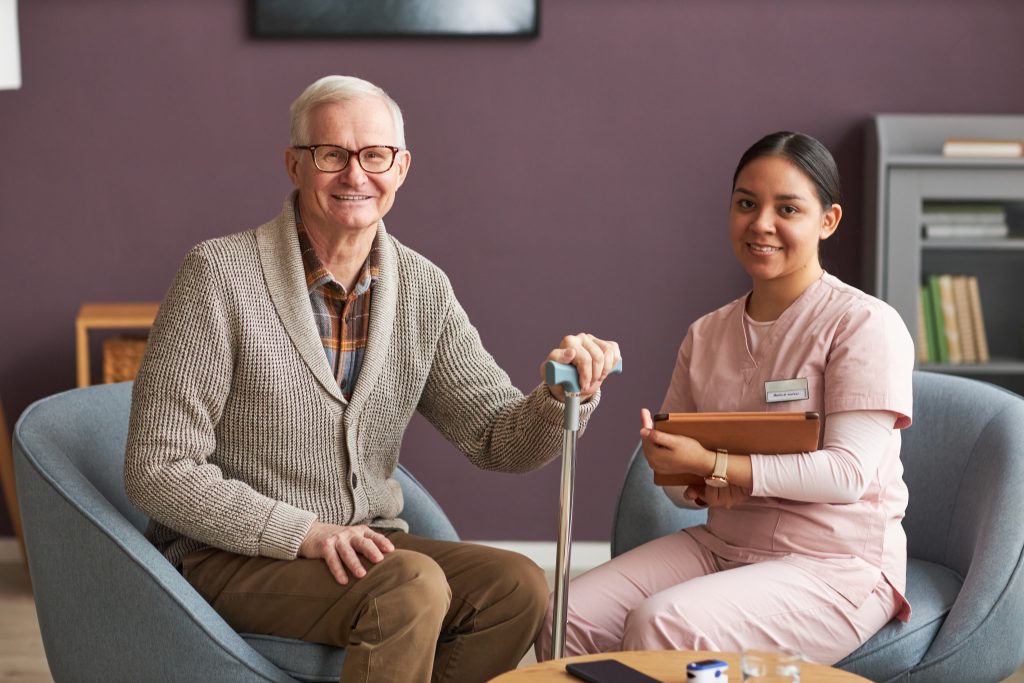

Many families notice that when an older loved one gets sick, recovery often takes much longer than it did years ago. A cold that once lasted a few days may now take several weeks to fully resolve. Even minor illnesses can leave seniors feeling tired, weak, or less active for an extended period. These changes can be concerning, especially when recovery seems slower than expected.
While slower recovery is a common part of aging, it is important to understand why it happens. The body naturally changes over time, affecting how quickly it can heal and regain strength. Factors such as chronic health conditions, reduced muscle mass, nutritional challenges, and lower energy reserves all play a role. Understanding these factors can help families provide better support during the recovery process.
The Aging Body Responds Differently to Illness
As people age, the body’s ability to repair itself becomes less efficient. The immune system often responds more slowly to infections, making it harder to fight off illnesses quickly. Recovery requires energy, and seniors typically have fewer physical reserves available than younger adults. This means the body may need more time to return to normal after an illness.
Within aging care services, caregivers often observe how even minor illnesses can have a greater impact on older adults. Recovery may involve rebuilding strength, restoring appetite, and regaining confidence in daily activities. These challenges are not necessarily signs of serious decline, but they do require patience and support. Understanding this process helps families set realistic expectations.
Chronic Health Conditions Can Slow Healing
Many seniors live with chronic conditions such as diabetes, heart disease, arthritis, or respiratory illnesses. These conditions place additional demands on the body, making recovery more complicated. When illness occurs, the body must manage both the existing condition and the new health challenge at the same time. This can extend recovery periods significantly.
Families often underestimate how much chronic conditions affect healing. A senior who appears stable day-to-day may still require more time to recover than someone without these health concerns. Monitoring changes carefully during recovery becomes especially important. Additional support can help reduce setbacks and promote a smoother healing process.
Loss of Muscle Strength Makes Recovery Harder
Muscle mass naturally decreases with age, a process that can affect mobility and physical resilience. Even a short illness can lead to additional weakness because seniors may spend more time resting or staying in bed. After recovery begins, regaining lost strength may take weeks rather than days. This can make everyday activities feel much more difficult.
Through home senior care services, caregivers can help seniors gradually return to daily routines while maintaining safety. Gentle encouragement and structured support often help rebuild confidence during recovery. Remaining active within appropriate limits can prevent further physical decline. Consistent assistance helps make recovery feel more manageable.
Nutrition Plays a Major Role in Healing
Proper nutrition is essential for recovery, yet many seniors struggle with appetite changes during illness. Reduced food intake can limit the nutrients needed for healing, muscle repair, and immune function. Dehydration may also become a concern, particularly when seniors are not feeling well. These factors can contribute to prolonged fatigue and slower progress.
Families should pay close attention to eating and drinking habits during recovery. Small, nutrient-rich meals and consistent hydration can support the body’s healing process. Encouragement and monitoring can make a significant difference. Nutrition is often one of the most overlooked aspects of recovery.
Signs Recovery May Be Taking Longer Than Expected
Not all slow recoveries are cause for concern, but some signs may indicate the need for additional attention. Recognizing these signs early can help families determine whether extra support is needed. Monitoring progress carefully helps ensure that recovery stays on track. It also helps prevent complications from developing unnoticed.
You may notice:
- Ongoing fatigue several weeks after illness
- Reduced appetite or fluid intake
- Difficulty returning to normal daily activities
- Increased weakness or balance issues
- Greater dependence on others for routine tasks
These signs do not always indicate a serious problem. However, they may suggest that additional support or medical guidance could be beneficial.
Emotional Recovery Matters Too
Physical recovery is only part of the healing process. Illness can affect confidence, especially if seniors experience weakness, mobility challenges, or a temporary loss of independence. Some may become anxious about getting sick again or worry about their ability to manage daily routines. These concerns can slow recovery even after physical symptoms improve.
With senior home care services, caregivers can provide encouragement and emotional reassurance throughout the recovery period. Having consistent support helps seniors feel less isolated and more confident about their progress. Emotional well-being often plays a larger role in recovery than many people realize. A positive mindset can support better outcomes.
How a Home Health Care Service Supports Recovery
Recovering at home can be more comfortable for many seniors, but it may also require additional assistance. A reliable home health care service can help monitor routines, encourage hydration, and support daily activities during recovery. This assistance allows seniors to focus their energy on healing rather than struggling with everyday tasks.
Professional support can also help families feel less overwhelmed. Caregivers provide an extra set of eyes and can identify concerns that may require attention. Consistent observation helps ensure that recovery remains on track. This level of support often reduces stress for everyone involved.
The Value of Professional Home Care During Healing
Recovery can be challenging not only for seniors but also for family caregivers. Balancing caregiving responsibilities with work, family, and personal obligations can quickly become stressful. Having professional support available allows families to focus on spending quality time together rather than managing every aspect of care.
A trusted home care agency can provide flexible support tailored to the senior’s recovery needs. Assistance can be adjusted as strength and independence improve. This personalized approach helps create a smoother transition back to normal routines. It also provides peace of mind during an uncertain time.
Building Strength and Confidence Again
Healing is not always a straight path, especially for older adults. Recovery often involves small improvements that gradually add up over time. Patience, support, and realistic expectations are essential throughout the process. Celebrating progress, even when it seems small, can help maintain motivation.
A compassionate senior home care agency can help seniors rebuild confidence while maintaining safety and comfort. Recovery is often more successful when support is available during the most challenging stages. Families benefit from knowing their loved one has the assistance they need. Consistent care creates a stronger foundation for long-term well-being.
Supporting Recovery Every Step of the Way
Slower recovery is a common part of aging, but it does not mean seniors cannot regain strength and independence after illness. Understanding why healing takes longer allows families to respond with patience and realistic expectations. With the right combination of support, nutrition, activity, and encouragement, many seniors can recover successfully and return to their normal routines.
At Ace Home Care, our services are designed to support seniors during recovery while helping them remain comfortable at home. Families looking for home care services in Illinois can benefit from personalized assistance that promotes both healing and independence. If you’re noticing these signs, it may be time to explore professional support. Learn more about our home care services in Illinois or reach out for guidance.