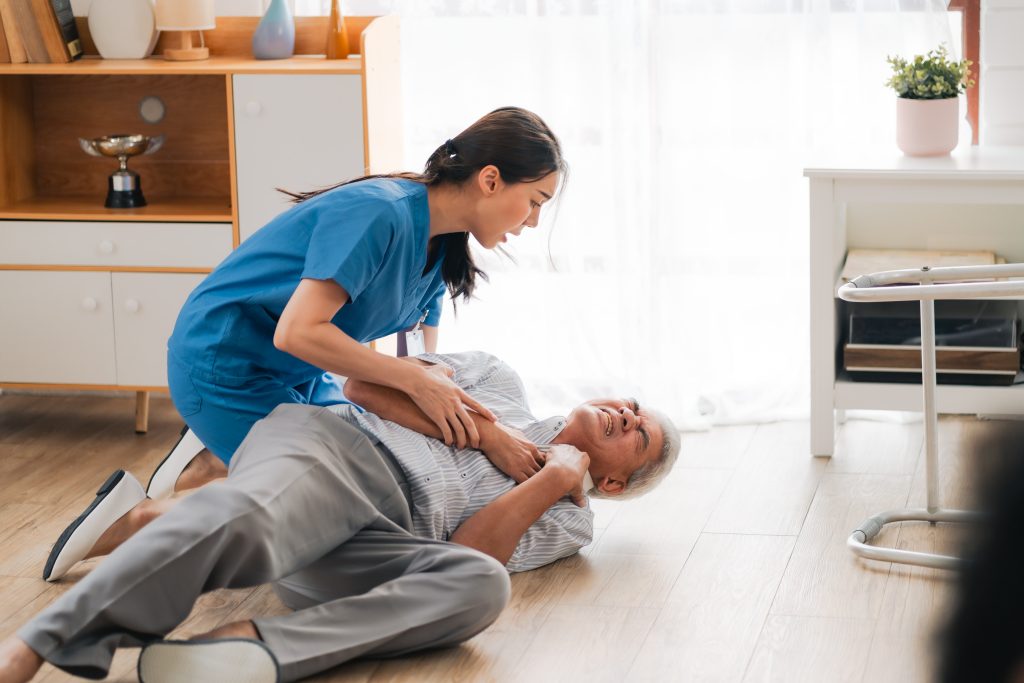

Creating a safe home for an aging loved one often starts with small observations. You may begin to notice things that didn’t matter before—like a loose rug, a dim hallway, or stairs that feel a little steeper than they used to. These details can seem minor, but over time, they can increase the risk of falls, injuries, and unnecessary stress for both seniors and their families.
For many families, the goal is simple: help their loved one stay at home while remaining safe, comfortable, and independent. Achieving that balance takes thoughtful adjustments, not drastic changes. With the right approach, a home can continue to feel familiar and welcoming while also supporting the physical and emotional needs that come with aging.
Understanding Why Home Safety Matters More With Age
As people grow older, changes in balance, vision, strength, and reaction time can make everyday environments more challenging to navigate. What once felt effortless—walking across a room, stepping into a shower, or reaching for an item on a shelf—can gradually become a potential risk. These changes are often subtle, which is why safety concerns can develop quietly over time.
From experience working with seniors, many falls and accidents happen in familiar spaces rather than unfamiliar ones. This is often because routines remain the same while physical abilities shift. Recognizing this early allows families to make proactive adjustments that protect both safety and confidence, without making the home feel clinical or restrictive.
Common Areas in the Home That Need Attention
Where Most Accidents Tend to Happen
Certain areas of the home naturally carry higher risks, especially for seniors who may have mobility or balance challenges. Paying attention to these spaces can significantly reduce the likelihood of injury.
You may want to take a closer look at:
- Bathrooms, where wet surfaces increase the risk of slipping
- Stairways that may lack proper railings or lighting
- Kitchens, especially when frequently used items are stored out of reach
- Hallways and entryways that may have clutter or uneven flooring
- Bedrooms where getting in and out of bed may feel unstable
These areas are often part of daily routines, which makes them especially important to address. Small changes in these spaces can create a noticeable difference in overall safety.
Simple Changes That Can Prevent Falls
Improving safety at home does not always require major renovations. In many cases, simple and thoughtful adjustments can greatly reduce the risk of falls while preserving comfort and independence.
Consider making changes such as:
- Removing loose rugs or securing them with non-slip backing
- Installing grab bars in bathrooms near toilets and showers
- Ensuring that frequently used items are within easy reach
- Adding non-slip mats in areas prone to moisture
- Rearranging furniture to create clear walking paths
These changes may feel small, but they address some of the most common causes of accidents. Over time, they help create a more predictable and secure environment for daily living.
Improving Lighting and Visibility Throughout the Home
Lighting plays a critical role in safety, especially for seniors who may experience changes in vision. Dim or uneven lighting can make it difficult to see obstacles, judge distances, or move confidently through the home. Even familiar spaces can feel uncertain when visibility is limited.
Adding brighter bulbs, placing night lights in hallways and bathrooms, and ensuring light switches are easy to access can make a meaningful difference. Natural light should also be maximized whenever possible, as it helps improve mood and overall awareness of surroundings. These adjustments not only reduce risk but also help seniors feel more at ease in their environment.
Making Bathrooms Safer Without Losing Comfort
Bathrooms are one of the most common places for falls, but they can also be adapted in ways that feel supportive rather than restrictive. The goal is to create stability and ease of movement while maintaining privacy and dignity.
Installing grab bars, using a shower chair, and adding a handheld showerhead can help seniors feel more secure during daily routines. Raised toilet seats and non-slip flooring can also reduce strain and improve balance. These changes allow seniors to maintain independence while reducing the likelihood of accidents in one of the most frequently used spaces in the home.
Supporting Mobility and Independence at Home
Safety is not just about preventing accidents—it is also about supporting independence. When seniors feel confident moving through their home, they are more likely to stay active, engaged, and emotionally well. Creating clear pathways, minimizing obstacles, and arranging furniture thoughtfully can make movement easier and less stressful.
In many caregiving situations, families find that small adjustments can restore confidence. A well-placed chair, a stable surface to hold onto, or simply having enough space to move freely can make daily activities feel manageable again. These changes support both physical safety and emotional well-being.
Creating a Daily Routine That Supports Safety
A safe home environment works best when it is paired with consistent routines. Predictability helps seniors feel more in control of their surroundings and reduces confusion or hesitation during daily activities. Simple habits, like keeping frequently used items in the same place or maintaining regular meal and sleep schedules, can contribute to a safer overall environment.
Families can also support safety by checking in regularly and observing any changes in behavior or mobility. If a loved one begins to avoid certain areas of the home or seems less steady than usual, it may be a sign that additional support is needed. These observations can guide timely adjustments that prevent more serious issues.
When to Consider Additional Support at Home
There may come a point when home adjustments alone are not enough to ensure safety. In these situations, having extra support can make a meaningful difference for both seniors and their families. A trusted home care agency can provide assistance with daily activities, mobility, and supervision while allowing your loved one to remain in a familiar and comforting environment. Through a reliable home health care service, caregivers can help monitor safety, assist with routines, and provide consistent support that reduces the risk of accidents and eases daily challenges.
At Ace Home Care, our services are designed to support both safety and independence in a way that feels respectful and personalized. As a senior home care agency, we offer home senior care services tailored to each individual’s needs, helping families feel confident in the care their loved ones receive. For those looking for dependable home care services of illinois, having the right support in place can make it easier for seniors to continue living safely and comfortably in the place they call home.
Supporting Your Loved One With Care and Confidence
Making a home safe for a senior is not about changing everything—it is about noticing what matters and responding with care. Thoughtful adjustments, consistent routines, and a supportive environment can help seniors maintain their independence while reducing the risk of injury. Just as importantly, these changes can provide peace of mind for families who want the best for their loved ones.
If you are in Illinois and beginning to think about how to improve safety at home, Ace Home Care is here to help. Our compassionate caregivers can work with you to create a safer, more supportive environment tailored to your loved one’s needs. You can contact or call Ace Home Care today to learn how we can support your family with trusted, personalized care.
Frequently Asked Questions About Making a Home Safe for Seniors
What are the most common fall hazards for seniors at home? ▾
The most common hazards include loose or unsecured rugs, wet bathroom surfaces, cluttered hallways and walkways, poor lighting especially on stairs, hard-to-reach items requiring stretching or climbing, unstable furniture used for support, uneven flooring or raised thresholds, and electrical cords crossing walking paths. Most falls happen in familiar spaces where routine habits mask changing physical abilities.
Which rooms in the house are most dangerous for seniors? ▾
Bathrooms are the highest risk due to wet, slippery surfaces combined with transfers in and out of the tub or shower. Stairways are dangerous when railings are inadequate or lighting is poor. Kitchens present risks from reaching overhead cabinets and navigating hard flooring. Hallways and entryways become hazardous when cluttered or poorly lit, and bedrooms pose risks when bed height makes getting in and out difficult.
What bathroom modifications improve senior safety? ▾
Essential bathroom modifications include installing grab bars near the toilet and inside the shower, adding non-slip mats on wet surfaces, using a shower chair or bench for seated bathing, replacing the showerhead with a handheld model, installing a raised toilet seat for easier transfers, and ensuring the bathroom floor has non-slip treatment. These changes dramatically reduce the risk of the most common senior fall injuries.
How does lighting affect senior safety at home? ▾
Poor lighting is one of the most overlooked fall hazards. Aging eyes need significantly more light to see clearly, and dim hallways, stairways, and bathrooms create dangerous blind spots. Installing brighter bulbs, adding night lights along pathways between bedroom and bathroom, maximizing natural light during the day, and ensuring light switches are accessible at both ends of hallways and stairs all improve safety and confidence.
How do home safety modifications support senior independence? ▾
When pathways are clear, surfaces are stable, and supports are in place, seniors move through their home with greater confidence and less fear of falling. This confidence encourages continued physical activity and engagement with daily routines, which strengthens muscles and balance over time. Safety modifications do not restrict independence — they protect and extend it.
How often should a senior’s home be assessed for safety? ▾
A home safety assessment should be conducted at least twice a year, and additionally after any fall, hospital stay, new diagnosis, or noticeable change in mobility or vision. Needs evolve as physical abilities change, so what was safe six months ago may no longer be adequate. Regular check-ins help identify emerging risks before they lead to accidents.
What simple changes make the biggest difference for senior safety? ▾
The highest-impact changes are often the simplest: removing loose rugs or securing them with non-slip backing, installing grab bars in the bathroom, improving lighting throughout the home, storing frequently used items at waist height, clearing walkways of clutter and cords, and arranging furniture to create wide, unobstructed paths between rooms.
When should families consider professional home care beyond safety modifications? ▾
When physical modifications alone are not enough to keep a senior safe — for example, when balance issues require hands-on assistance during transfers, when cognitive changes affect judgment about hazards, or when daily routines like bathing and dressing consistently present fall risk — professional home care provides the steady human support that environmental changes cannot.
Frequently Asked Questions About Making a Home Safe for Seniors
What are the most common fall hazards for seniors at home? ▾
Loose rugs, wet bathroom surfaces, cluttered hallways, poor lighting on stairs, hard-to-reach items, unstable furniture, uneven flooring, and electrical cords crossing walking paths. Most falls happen in familiar spaces.
Which rooms are most dangerous for seniors? ▾
Bathrooms due to wet slippery surfaces, stairways with inadequate railings or lighting, kitchens from reaching overhead cabinets, hallways when cluttered or poorly lit, and bedrooms when bed height makes getting in and out difficult.
What bathroom modifications improve senior safety? ▾
Installing grab bars near toilet and in shower, non-slip mats, shower chair or bench, handheld showerhead, raised toilet seat, and non-slip floor treatment.
How does lighting affect senior safety at home? ▾
Aging eyes need significantly more light. Dim hallways, stairways, and bathrooms create dangerous blind spots. Brighter bulbs, night lights along pathways, and accessible light switches improve safety.
How do safety modifications support independence? ▾
Clear pathways, stable surfaces, and proper supports build confidence and encourage continued activity. Safety modifications protect and extend independence rather than restricting it.
How often should a senior’s home be assessed for safety? ▾
At least twice a year, and after any fall, hospital stay, new diagnosis, or noticeable change in mobility or vision. Needs evolve as abilities change.
What simple changes make the biggest difference? ▾
Removing loose rugs, installing bathroom grab bars, improving lighting, storing items at waist height, clearing walkways, and arranging furniture for wide unobstructed paths.
When should families consider professional home care beyond modifications? ▾
When balance issues require hands-on assistance, cognitive changes affect hazard judgment, or daily routines like bathing consistently present fall risk that environmental changes alone cannot address.