
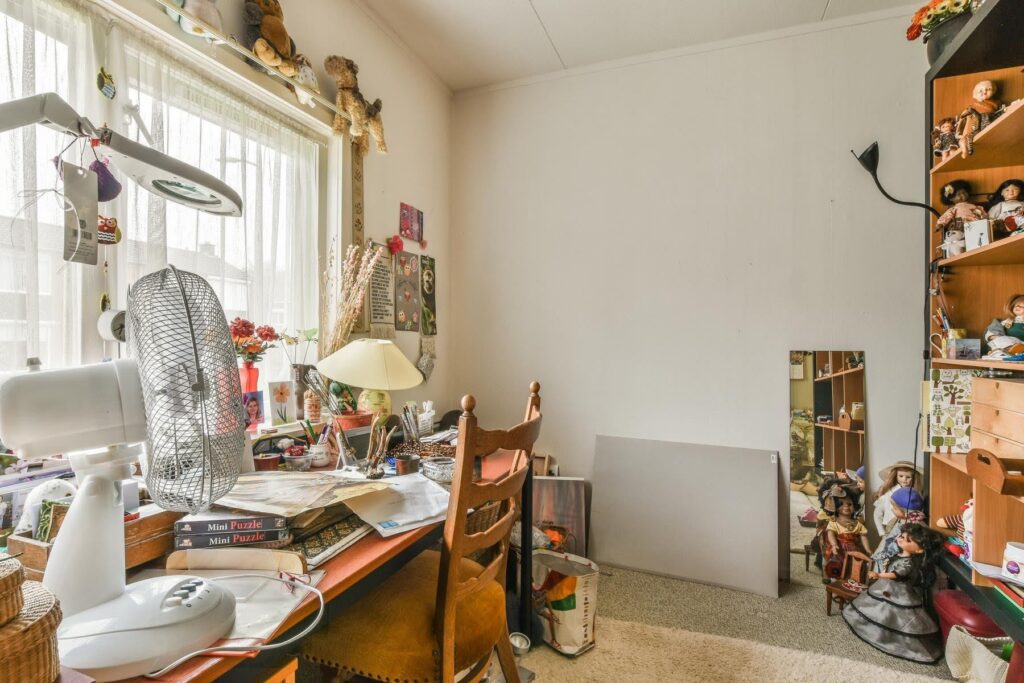
When visiting an aging parent, it is easy to focus on how they look or what they tell you about their health. However, the condition of their home can often reveal just as much as a conversation. A few stacks of mail, dishes left in the sink, or clutter accumulating around the house may seem harmless at first. Over time, though, these changes can provide important clues about a senior’s physical, emotional, and cognitive well-being.
Clutter does not automatically mean something is wrong. Many people collect belongings or have occasional periods when housekeeping falls behind. The concern arises when clutter represents a noticeable change from previous habits or begins interfering with safety and daily living. Understanding what clutter may be communicating can help families recognize when additional support might be beneficial.
When Clutter Represents a Change in Routine
One of the most important questions to ask is whether the clutter is new. If your parent has always maintained a neat and organized home, a sudden increase in disorganization may signal a change in their ability to manage daily tasks. Activities such as cleaning, organizing, and maintaining a household require both physical and mental effort. When these tasks become difficult, clutter often starts to accumulate.
Within home senior care services, caregivers frequently observe how changes in household organization can reflect broader changes in health. A senior who once kept a tidy home may struggle due to fatigue, mobility limitations, or memory concerns. Identifying these changes early allows families to address underlying issues before they become more serious. The home environment often provides valuable insight into daily functioning.
Physical Limitations Can Affect Housekeeping
As people age, everyday chores can become more physically demanding. Vacuuming, carrying laundry, reaching high shelves, or bending to pick up items may become uncomfortable or even unsafe. Seniors may begin avoiding these tasks not because they do not care, but because they are physically difficult. Over time, clutter can build up as responsibilities become harder to manage.
Families should consider whether mobility challenges may be contributing to household changes. A parent who struggles with arthritis, balance issues, or chronic pain may have difficulty keeping up with cleaning routines. Recognizing these physical limitations helps families approach the situation with understanding rather than judgment. Practical support can often make a significant difference.
Memory Changes May Show Up Around the Home
Clutter can sometimes indicate memory-related challenges rather than simple disorganization. Unopened mail, misplaced items, forgotten bills, or duplicate purchases may suggest difficulties with memory or executive functioning. These changes are often subtle at first and can easily be dismissed as normal forgetfulness. However, recurring patterns deserve attention.
A trusted home health care service can help families monitor these concerns more closely. Caregivers often notice patterns that may indicate changes in memory or cognitive function. Their observations can provide valuable information when determining whether additional evaluation is needed. Early awareness often leads to better planning and support.
Emotional Health Can Influence Household Conditions
A cluttered home can sometimes reflect emotional struggles rather than physical limitations. Seniors experiencing loneliness, depression, grief, or anxiety may lose motivation to maintain their surroundings. Tasks that once felt routine can begin to feel overwhelming. This can lead to gradual changes in housekeeping habits and home organization.
Families should avoid assuming that clutter always represents laziness or neglect. Emotional health plays a major role in a person’s ability to manage daily responsibilities. Supporting emotional well-being often improves motivation and engagement with everyday tasks. Compassionate conversations can help uncover concerns that might otherwise remain hidden.
Signs That Clutter May Require Attention
Not all clutter is a cause for concern, but certain patterns may suggest that additional support is needed. Looking for specific warning signs can help families better understand whether clutter is affecting safety and quality of life. Early intervention often prevents larger challenges later. Paying attention to details can be helpful.
You may notice:
- Unopened mail piling up
- Expired food in the refrigerator
- Increased tripping hazards throughout the home
- Laundry or dishes accumulating for long periods
- Difficulty locating important items
These signs may indicate that household management is becoming more difficult. Addressing concerns early often helps seniors remain safer and more independent.
How Light Housekeeping Services for Seniors Can Help
Sometimes seniors simply need assistance keeping up with physically demanding household tasks. Receiving help with routine cleaning can prevent clutter from becoming overwhelming. It can also reduce stress and improve overall comfort at home. Small amounts of assistance often make a meaningful difference.
Through light housekeeping services for seniors, caregivers can assist with everyday chores while encouraging seniors to remain involved in their routines. This support helps create a cleaner and safer environment without taking away independence. Many families find that housekeeping assistance improves both physical safety and emotional well-being. A tidy home can also boost confidence and comfort.
The Value of Professional Housekeeping Support
Maintaining a clean home becomes increasingly important as seniors age. Cluttered spaces can increase fall risks, make mobility more difficult, and contribute to feelings of stress. When housekeeping tasks become too challenging, outside assistance can provide valuable relief. Support does not have to mean giving up independence.
With professional housekeeping services, seniors can receive practical help that allows them to focus on the activities they enjoy most. Consistent housekeeping support helps maintain a safer living environment while reducing physical strain. Families often gain peace of mind knowing the home is being cared for regularly. This assistance can improve overall quality of life.
Why a Home Care Agency Looks Beyond the Clutter
A cluttered home is often a symptom rather than the actual problem. Professional caregivers understand the importance of looking deeper to identify what may be causing the change. Whether the issue involves mobility, memory, health, or emotional well-being, addressing the root cause is essential. Effective support focuses on the whole person rather than the clutter itself.
A reliable home care agency works with families to understand changing needs and develop appropriate solutions. This personalized approach helps ensure that support addresses both practical and emotional concerns. By focusing on underlying causes, caregivers can help seniors maintain greater independence. Families benefit from a more complete understanding of their loved one’s situation.
Creating a Safer and More Comfortable Home
The condition of a parent’s home can provide valuable clues about their overall health and well-being. While clutter may seem like a minor issue, it can sometimes reveal physical limitations, emotional struggles, or cognitive changes that deserve attention. Taking the time to understand these signs allows families to provide support before challenges become more serious. A proactive approach often leads to better outcomes.
At Ace Home Care, our services are designed to help seniors maintain safe, comfortable, and organized living environments. As a compassionate senior home care agency, we provide personalized support that promotes independence and quality of life. Families exploring home care services in Illinois can benefit from guidance and assistance tailored to their loved one’s needs. If you’re noticing these signs, it may be time to explore professional support. Learn more about our home care services in Illinois or reach out for guidance.