Returning home after an illness, surgery, or hospital stay is often a welcome relief for seniors and their families. Being surrounded by familiar belongings and loved ones can provide comfort and emotional reassurance during recovery. However, many families are surprised when healing seems to take longer than expected once their loved one is back home. Even after receiving medical treatment, seniors may continue to struggle with fatigue, weakness, or difficulty returning to their normal routines.
Recovery at home is influenced by many different factors beyond the illness itself. Age-related changes, reduced strength, nutrition, medication management, and the home environment all play important roles in the healing process. While slower recovery is common among older adults, it does not mean progress cannot be made. Understanding why recovery sometimes takes longer helps families provide better support and set realistic expectations.
Recovery Requires More Than Rest
Many people believe that spending more time resting automatically leads to faster healing. While rest is important, too much inactivity can actually slow recovery for many seniors. Long periods of sitting or staying in bed may contribute to muscle weakness, reduced mobility, and lower energy levels. Finding the right balance between rest and gentle activity is often essential for steady progress.
Within aging care services, caregivers frequently encourage seniors to safely resume simple daily activities whenever appropriate. Light movement helps maintain circulation, preserve muscle strength, and rebuild confidence after illness. Recovery is usually more successful when seniors remain engaged in their routines rather than becoming completely inactive. Gradual progress often produces better long-term results than prolonged bed rest.
Age Naturally Slows the Healing Process
As people grow older, the body’s ability to repair itself becomes less efficient. The immune system responds more slowly, muscles recover less quickly, and tissues often take longer to heal after illness or injury. These natural changes mean that seniors frequently need more time to regain their previous level of strength. Recovery timelines that are normal for younger adults may not apply to older individuals.
Families sometimes become discouraged when progress appears slow. It is important to remember that healing does not always happen in a straight line. Some days may show noticeable improvement, while others may feel more challenging. Patience and realistic expectations help reduce unnecessary stress throughout the recovery journey.
Daily Tasks Can Become Unexpected Challenges
After returning home, everyday responsibilities often require more energy than expected. Activities such as preparing meals, bathing, dressing, or walking around the house may suddenly feel exhausting. Seniors who try to resume everything immediately may become overly fatigued, delaying recovery even further. Recognizing these limitations allows families to adjust expectations without reducing independence.
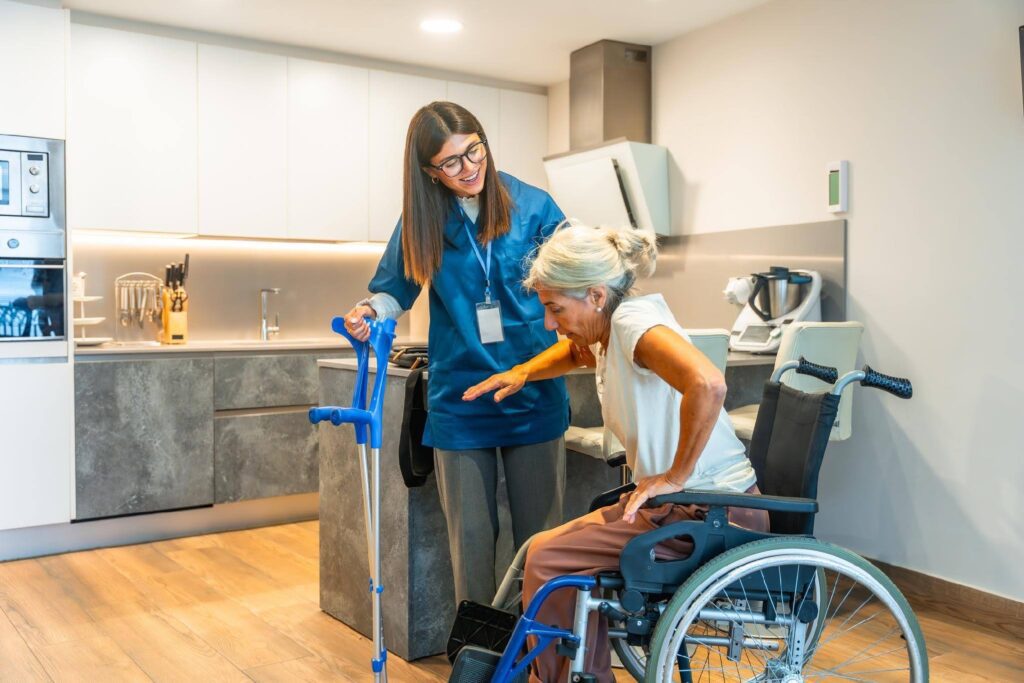
Through home senior care services, caregivers can provide support with everyday activities while encouraging seniors to remain as active as safely possible. This balanced approach helps prevent overexertion without promoting inactivity. Small amounts of assistance often allow seniors to conserve energy for healing. Maintaining this balance is an important part of successful recovery.
Nutrition and Hydration Affect Healing
Recovery depends heavily on proper nutrition and hydration. After illness, many seniors experience reduced appetite, making it difficult to consume the nutrients their bodies need to heal. Inadequate protein, vitamins, and fluids can slow tissue repair and contribute to ongoing fatigue. Even mild dehydration may affect strength and energy levels.
Families should encourage balanced meals and regular fluid intake throughout the recovery process. Small, nutritious meals are often easier to manage than large portions. Monitoring eating habits can help identify problems before they interfere with healing. Proper nutrition provides the body with the resources it needs to recover more effectively.
Signs Recovery May Need Additional Support
Every recovery process is different, but certain warning signs may indicate that additional help would be beneficial. Paying attention to these changes allows families to respond before small setbacks become larger concerns. Recovery should gradually move forward, even if progress is slow. Monitoring changes carefully helps ensure the healing process stays on track.
You may notice:
- Ongoing weakness that limits daily activities
- Difficulty preparing meals or maintaining personal hygiene
- Reduced appetite or poor hydration
- Trouble remembering medications
- Increased fear of walking or moving around the home
These signs do not necessarily indicate a serious complication. However, they may suggest that additional support could make recovery safer and more comfortable.
Emotional Health Can Influence Physical Recovery
Healing is not only physical but also emotional. Many seniors experience frustration, anxiety, or discouragement when recovery takes longer than expected. They may worry that they will never regain their previous level of independence. These emotional challenges can affect motivation and slow progress.
With senior home care services, caregivers provide encouragement alongside practical assistance. Emotional support helps seniors stay engaged in their recovery while maintaining a positive outlook. Regular interaction also reduces feelings of isolation during extended healing periods. Confidence often grows when seniors feel supported throughout the process.
Professional Care Can Ease the Recovery Process
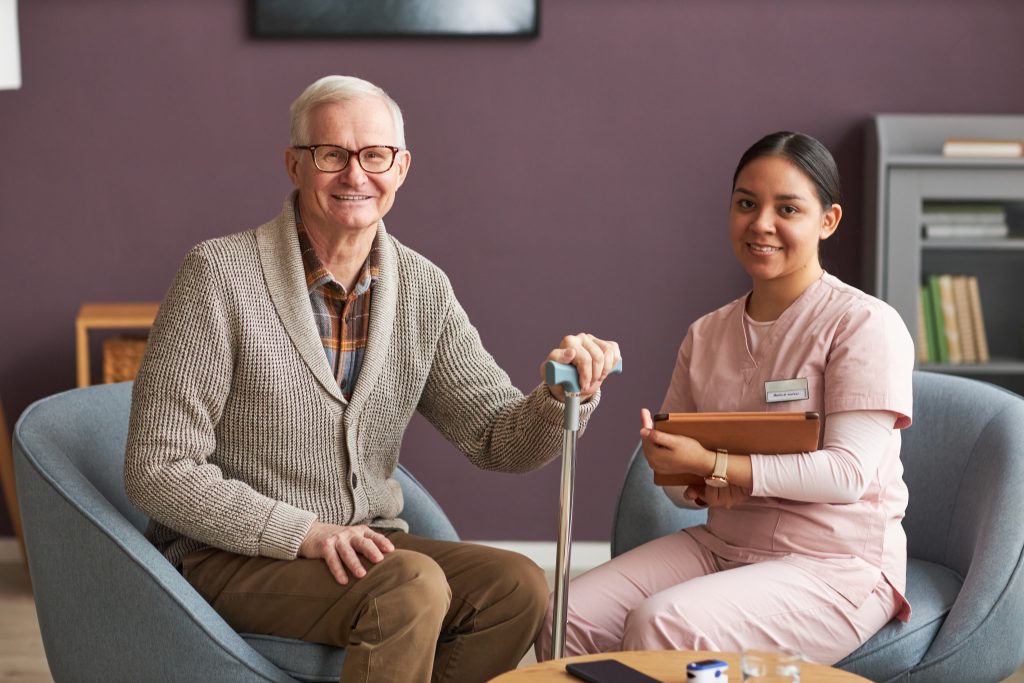
Recovering at home does not mean families have to manage every responsibility on their own. A reliable home health care service can provide assistance that supports healing while reducing stress for family caregivers. Professional caregivers can help monitor routines, encourage healthy habits, and assist with daily activities. This allows seniors to focus their energy on getting stronger.
Families also benefit from having an experienced caregiver observe changes over time. Small concerns can often be identified and addressed before they become more serious. This additional layer of support helps create a safer recovery environment. Consistent care provides reassurance for everyone involved.
Why Families Turn to a Home Care Agency
Recovery often places new demands on family caregivers who are balancing work, children, and other responsibilities. Providing consistent care every day may become physically and emotionally exhausting. A trusted home care agency helps share these responsibilities while ensuring seniors continue receiving reliable support. This partnership often reduces stress for the entire family.
Professional caregivers also provide flexibility as recovery progresses. Assistance can be increased or reduced depending on changing needs. This personalized approach allows seniors to recover at their own pace while maintaining dignity and independence. Families gain confidence knowing help is available when needed.
Supporting Recovery Every Step of the Way
Healing after illness or surgery often takes longer for older adults, but steady progress is still possible with the right support. Recovery is influenced by physical health, nutrition, emotional well-being, and the ability to safely manage daily routines. Understanding these factors helps families create a more supportive recovery environment. Patience and consistent care often lead to better long-term outcomes.
At Ace Home Care, our services are designed to help seniors recover safely while remaining in the comfort of their own homes. As a compassionate senior home care agency, we provide personalized assistance that promotes healing, confidence, and independence. Families exploring home care services in Illinois can benefit from care plans tailored to each individual’s recovery journey. If you’re noticing these signs, it may be time to explore professional support. Learn more about our home care services in Illinois or reach out for guidance.