
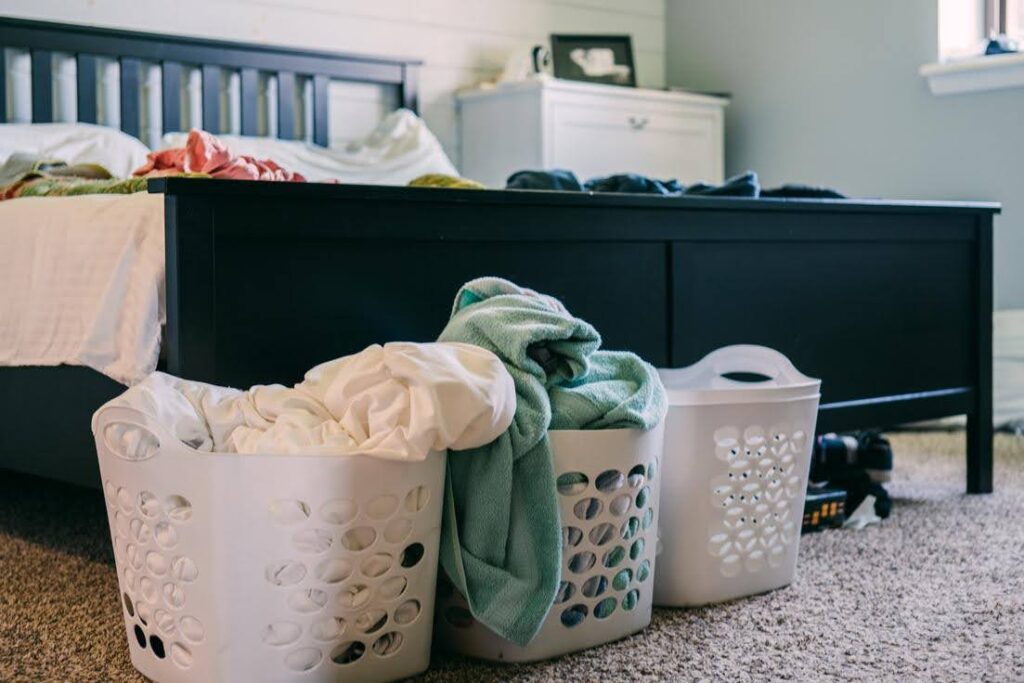
Clutter often builds slowly, which makes it easy to overlook how much it affects daily safety and comfort. For seniors living alone, even small piles of items can create serious risks that are not always obvious at first glance. What begins as an inconvenience can quietly turn into hazards that affect movement, balance, and emotional well-being. Understanding why clutter becomes dangerous is an important step toward protecting independence and long-term safety.
Living alone already requires a higher level of awareness and self-management. When clutter fills walkways, corners, or frequently used areas, daily tasks become more physically demanding and mentally exhausting. This strain increases the likelihood of accidents and emotional stress. Supportive home care focuses on reducing these risks while respecting personal space and dignity.
How Clutter Increases the Risk of Falls
Clutter creates physical obstacles that interfere with balance and movement, especially in tight spaces like hallways or bedrooms. Items left on the floor or stacked in walking paths increase the chance of tripping or slipping. For seniors, even a minor fall can lead to serious injury or long recovery periods. A cluttered environment quietly raises these risks every single day.
Care providers offering senior home health care services in Illinois recognize fall prevention as a priority. They understand how small environmental changes can significantly improve safety. Clearing pathways and organizing frequently used areas reduces strain on joints and balance. These adjustments help seniors move through their homes with greater confidence.
Why Clutter Affects Daily Mobility and Energy
Clutter does not only create tripping hazards; it also makes movement more physically demanding. Navigating around piles of items requires extra effort, which can increase fatigue throughout the day. This constant adjustment places stress on joints and muscles that may already be weakened. Over time, energy levels decline, and daily routines feel harder to maintain.
Professionals providing home care services of Illinois focus on improving ease of movement inside the home. When spaces are clear and organized, daily activities require less effort and strain. This supports better mobility and reduces physical exhaustion. A more accessible environment allows seniors to conserve energy for essential tasks.
The Emotional Impact of Living in a Cluttered Space
A cluttered home can feel overwhelming and mentally draining, especially for seniors living alone. Visual clutter often leads to feelings of stress, frustration, or anxiety without an obvious cause. When the home feels chaotic, it becomes harder to relax or focus on daily routines. Emotional discomfort can quietly affect overall well-being.
Care teams understand that emotional health is closely tied to the living environment. Providers offering home care services in Illinois work to create calm, orderly spaces that support emotional balance. Reducing clutter often improves mood and mental clarity. A peaceful home encourages a healthier daily rhythm.
Why Seniors Living Alone Face Higher Safety Risks
Living alone means there is no immediate help when something goes wrong. Clutter increases the likelihood of accidents occurring without anyone nearby to assist. Delayed response can make injuries more serious and recovery more difficult. This reality makes prevention especially important. Taking proactive measures to declutter and create a safe living environment can significantly reduce risks and enhance overall well-being.
Support from light housekeeping for seniors helps reduce these risks before accidents happen. Regular upkeep ensures living spaces remain safe and accessible. Professional caregivers help identify problem areas early. Prevention offers peace of mind for both seniors and those who support them. By maintaining a clean and organized environment, seniors can enjoy greater independence and quality of life.
How Light Housekeeping Reduces Long-Term Hazards
Light housekeeping focuses on maintaining safety rather than deep cleaning or major organization projects. Tasks like clearing walkways, removing trash, and organizing frequently used areas have a big impact on daily safety. These small actions help prevent hazards from accumulating over time. Consistent upkeep keeps the home manageable.
Providers offering light housekeeping services for seniors in Illinois understand how to support safety without disrupting personal routines. Their approach respects comfort and independence while maintaining order. This balance helps seniors remain in their homes longer. Regular housekeeping reduces both physical and emotional strain.
Areas Where Clutter Becomes Most Dangerous
Some areas of the home are more vulnerable to clutter-related risks than others. Identifying these spaces allows caregivers to focus on meaningful improvements. Addressing high-risk areas first provides immediate safety benefits. Small changes in the right places make a noticeable difference.
High-Risk Areas Affected by Clutter
- Hallways and entryways with limited walking space
- Bedrooms where items block access to beds or nightstands
- Bathrooms with crowded floors or countertops
- Kitchens where clutter interferes with safe food preparation
- Stairways with items left on steps
- Living areas with unstable stacks or loose objects
Choosing the Right Housekeeping Support
Not all housekeeping services are designed with senior safety in mind; the right provider understands aging-related mobility concerns and emotional comfort, ensuring that care feels supportive rather than invasive or rushed. Experience matters when safety is the goal, as it allows providers to tailor their services to the unique needs of seniors, fostering a safe and comfortable living environment.
A guide for choosing the best care includes evaluating experience with senior-focused environments. Providers offering professional housekeeping services should understand how to reduce hazards respectfully. The right team works consistently and communicates clearly. Thoughtful support builds trust and lasting safety.
Long-Term Benefits of a Safer, Clutter-Free Home
Reducing clutter improves safety, mobility, and emotional well-being over time. Seniors often feel more confident and relaxed in a space that is easy to navigate. This confidence supports independence and daily functioning. A safer home environment promotes long-term stability. In addition, a tidy living space can reduce stress and anxiety, fostering a greater sense of peace and comfort.
Care teams providing light housekeeping services for seniors help maintain this balance consistently. Their ongoing support prevents hazards from returning. With the right care, the home remains a place of comfort rather than risk. Long-term safety begins with consistent attention, ensuring that seniors can enjoy their independence in a secure environment.
Creating a Safer Home Starts With the Right Support
Clutter can quietly become dangerous, especially for seniors living alone, but the right help makes a real difference. Ace Home Care offers dependable light housekeeping services for seniors in Illinois, focused on safety, comfort, and dignity. If you are looking for trusted home care services in Illinois, our local team is ready to help create a safer, more manageable living environment.
Contact Ace Home Care today to learn how our Illinois-based caregivers can support safer homes through thoughtful, respectful housekeeping and care.
Frequently Asked Questions About Clutter and Senior Safety
Why is clutter especially dangerous for seniors living alone? ▾
For seniors living alone, clutter creates physical obstacles that increase tripping and falling risks with no one nearby to help if an accident occurs. Even minor falls can cause serious injuries like fractures or head trauma in older adults. Delayed response to emergencies in a cluttered home can worsen injury severity, making prevention through organized living spaces critically important.
Which areas of the home are most dangerous when cluttered? ▾
The highest-risk areas include hallways and entryways where obstacles block safe passage, bathrooms with crowded floors around the toilet and shower, bedrooms where items block access to the bed, kitchens where clutter interferes with safe food preparation, stairways with any objects on the steps, and living areas with unstable stacks of items. Each of these spaces requires clear, unobstructed pathways for safe daily movement.
How does clutter affect a senior’s energy and mobility? ▾
Navigating around piles, stepping over items, and maneuvering through tight spaces requires extra physical effort that depletes energy reserves seniors need for daily routines. This additional strain increases joint and muscle fatigue, reduces overall mobility over time, and can discourage seniors from moving around their home as much as they should for their health and independence.
Does clutter affect mental health in seniors? ▾
Yes. Visual clutter causes stress, frustration, and anxiety. Living in a chaotic environment makes it difficult to relax, disrupts sleep quality, and creates a persistent sense of being overwhelmed. For seniors already managing health concerns or isolation, the added mental burden of a disorganized home can significantly worsen mood and overall emotional well-being.
Why do seniors accumulate clutter over time? ▾
Clutter often accumulates gradually due to reduced physical ability to clean and organize, fatigue that makes tidying feel overwhelming, emotional attachment to possessions, declining vision that makes messes less noticeable, and the loss of daily routines that previously kept the home maintained. It rarely happens all at once, which is why families may not notice the accumulation until it reaches a dangerous level.
How does light housekeeping help keep seniors safe? ▾
Regular light housekeeping clears walkways, organizes frequently-used spaces, prevents hazard accumulation, and maintains a safe living environment over time. It addresses clutter before it becomes dangerous rather than waiting for an incident. Professional housekeeping respects the senior’s independence and preferences while ensuring the home remains functional, safe, and comfortable for daily living.
How can families help a senior who resists decluttering? ▾
Approach the conversation with empathy rather than criticism. Focus on safety concerns rather than the clutter itself. Start small with one area at a time rather than overwhelming the senior. Involve them in decisions about what stays and what goes. Professional caregivers can gradually introduce organization into daily routines in a way that feels supportive rather than invasive, building trust over time.
What are warning signs that clutter has become a safety hazard? ▾
Warning signs include blocked doorways or hallways, items piled on stairs, difficulty reaching the bed or bathroom safely, near-misses or actual falls related to obstacles, expired food or medications mixed with current ones, and the senior avoiding certain rooms because they are too cluttered to navigate. If any of these are present, it is time to address the situation before a serious incident occurs.