Many seniors want to stay active, but they also worry about injury. If your loved one has arthritis, osteopenia, or general joint stiffness, exercise can feel intimidating rather than empowering. Families often ask whether upbeat programs like Zumba are too intense for aging bodies. The answer is not as simple as yes or no, because safety depends on how the activity is adapted and supervised.
Movement remains one of the most important tools for maintaining independence. The right type of exercise can strengthen muscles, support bone density, improve balance, and reduce fall risk. However, the wrong approach can increase strain and discourage participation altogether. Understanding how Zumba can be modified for seniors allows families to make informed decisions rather than avoiding activity out of fear.
Understanding Joint Issues and Osteopenia in Older Adults
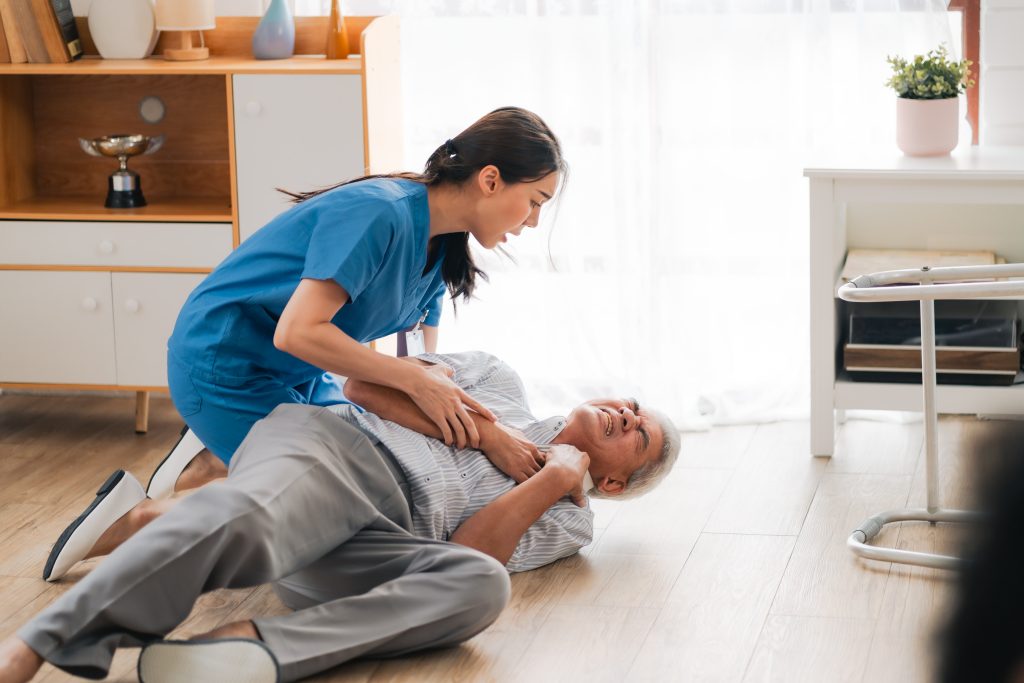
Joint conditions such as arthritis reduce flexibility and increase inflammation, which can make sudden or high-impact movements uncomfortable. Osteopenia, a condition involving lower-than-normal bone density, increases the risk of fractures if falls occur. These changes require thoughtful adjustments to any exercise routine. Ignoring them can lead to pain flare-ups or injury.
However, avoiding movement entirely can worsen stiffness and weaken muscles that protect joints. Gentle weight-bearing exercise often helps maintain bone health and stability. Seniors benefit from controlled, low-impact activities that encourage gradual strengthening. The key is matching the exercise intensity to the individual’s condition rather than following a one-size-fits-all program.
What Makes Zumba Appealing for Seniors
Zumba combines music, rhythm, and simple choreographed movements, which makes exercise feel social and enjoyable. Many older adults are more likely to stick with activities that feel uplifting rather than clinical. The energy of a group class can improve mood and reduce feelings of isolation. Emotional engagement often determines long-term consistency.
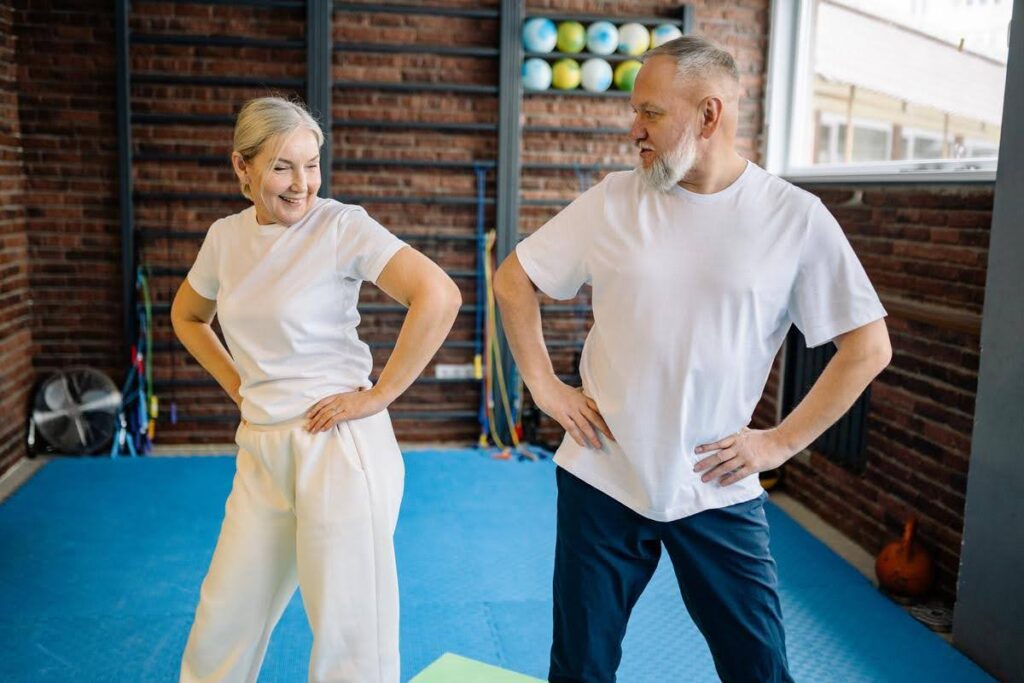
A properly structured Zumba workout for seniors can emphasize balance, coordination, and gentle cardiovascular movement. When instructors adjust the pace and remove high-impact steps, Zumba becomes more accessible. Movement set to music also stimulates cognitive engagement, which benefits brain health. Enjoyment should never be underestimated when encouraging healthy habits.
When Zumba May Be Safe for Seniors with Joint Conditions
Zumba can be safe for older adults with arthritis or osteopenia when certain safeguards are in place. Low-impact modifications reduce pressure on knees, hips, and ankles. Movements can be performed without jumping, twisting abruptly, or bending deeply. Stability support, such as chairs or wall access, can further reduce risk.
Programs designed as adaptive Zumba for seniors focus ona controlled range of motion rather than speed. These classes prioritize posture, alignment, and pacing. Participants are encouraged to move within their comfort zone rather than pushing through pain. Listening to the body is more important than keeping up with the music.
For individuals managing arthritis specifically, options like Zumba for the elderly with arthritis should always emphasize low-impact transitions and supervised instruction. Proper form and gradual progression make a meaningful difference in joint protection. Safety must always come before intensity.
Signs That Zumba May Not Be the Right Choice
While many seniors can benefit from modified exercise, not every individual is a candidate. Severe joint degeneration, unstable balance, or untreated osteoporosis may require more specialized therapy first. Pain that persists after activity or swelling that increases over time signals that adjustments are needed. Ignoring discomfort often leads to setbacks.
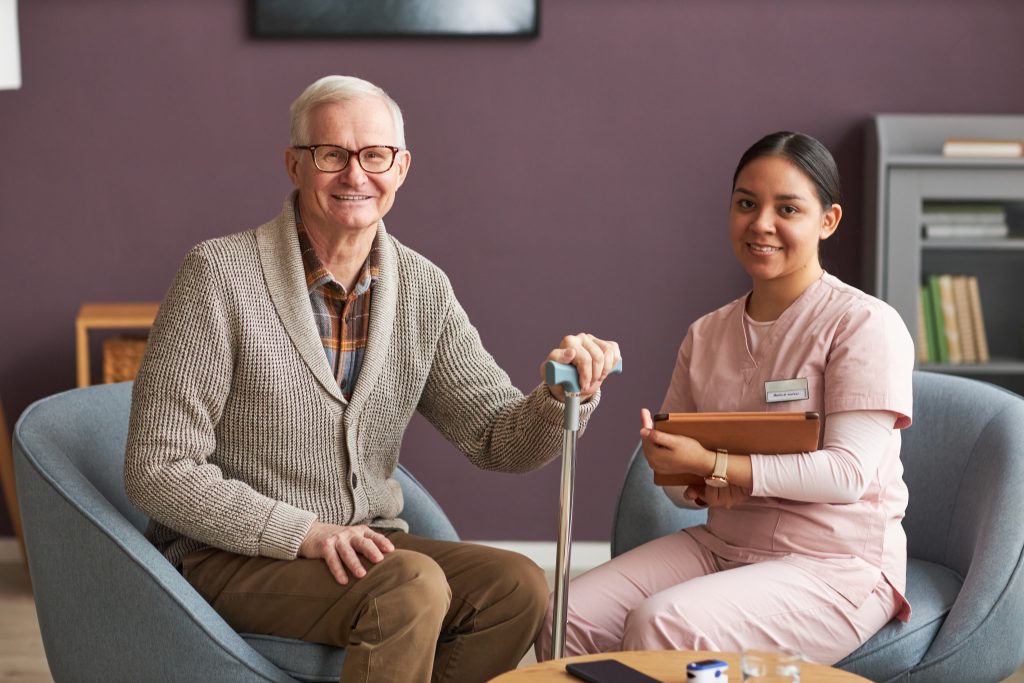
Families should consult healthcare providers before beginning new exercise routines. A nurse or physical therapist can evaluate mobility and bone health to determine safe intensity levels. Structured aging care services often collaborate with medical professionals to ensure safety. Professional guidance prevents unnecessary complications.
Safety Checklist Before Joining a Class
Before enrolling in any Zumba program, families can evaluate readiness with a few simple steps. Preparation reduces anxiety and increases confidence for both seniors and caregivers. A proactive approach promotes safety without discouraging participation.
Zumba Readiness Checklist:
- Obtain medical clearance if bone density is low
• Choose classes specifically labeled for seniors
• Confirm that movements are low-impact and modifiable
• Wear supportive footwear with non-slip soles
• Start with shorter sessions to assess tolerance
Taking these precautions ensures that enthusiasm does not override safety.
The Physical and Emotional Benefits of Staying Active
The benefits of Zumba for seniors extend beyond physical conditioning. Regular movement supports circulation, flexibility, and muscle strength, all of which reduce fall risk. Exercise also releases endorphins that improve mood and reduce anxiety. Social interaction during group classes builds connections and combats loneliness.
For seniors managing arthritis, gentle rhythmic motion can reduce stiffness over time. For those with osteopenia, weight-bearing movement supports bone maintenance when performed safely. Structured senior home care services often encourage light physical activity as part of daily routines. Movement is not only exercise but a foundation for independence.
Why Professional Support Makes a Difference
Families sometimes worry about encouraging exercise because they cannot supervise every session. A trusted senior home care agency can help monitor physical tolerance and ensure exercises are performed safely at home. Caregivers observe changes in mobility, balance, or discomfort that families may miss. This oversight allows activity to remain beneficial rather than risky.
Organizations offering home care services in Illinois understand how to integrate safe physical routines into personalized care plans. Whether assisting with transportation to classes or supporting light movement at home, professional caregivers reinforce safety. Structured support builds confidence for both seniors and families. Exercise becomes sustainable rather than stressful.
A Thoughtful Next Step for Families in Illinois
If your loved one is interested in Zumba but lives with joint concerns, do not dismiss the idea immediately. Instead, explore safe adaptations and consult with professionals who understand aging and mobility. With the right modifications, movement can remain joyful and protective rather than risky. Avoiding activity entirely often creates more harm than benefit.
Ace Home Care provides compassionate guidance and support for seniors across Illinois who want to remain active safely. If you are unsure how to balance exercise with joint or bone health, start with a conversation about your loved one’s goals and limitations. Reach out to Ace Home Care to explore supportive options that protect independence while encouraging healthy movement.